
How to Recover After Massage the Right Way
You walk out of a massage feeling loose, sleepy, and lighter in your body – then a few hours later, you might wonder what you should do next. If you are asking how to recover after massage, the good news is that recovery is usually simple. A few smart choices after your session can help your body stay relaxed, reduce soreness, and make the benefits last longer.
Massage is not only about the time on the table. What you do afterward matters too. Whether you had oil massage, cream massage, deep pressure work, Thai stretching, or a more gentle relaxation session, your body needs a little support once the treatment is over.
How to recover after massage without overthinking it
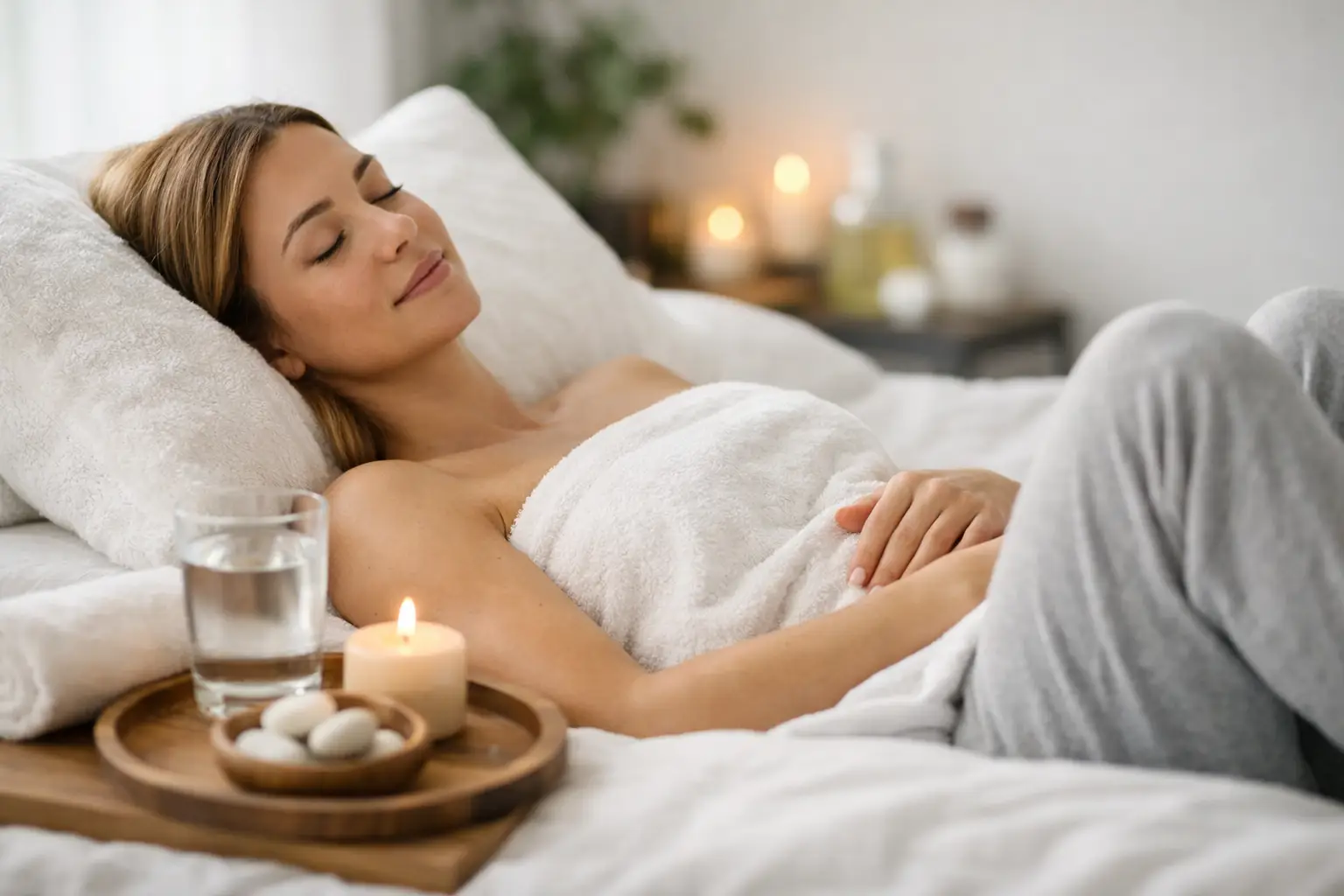
The best recovery is not complicated. Most people do well with water, light food, rest, and a calm schedule for the next few hours. Your muscles have been worked on, circulation has changed, and your nervous system may still be settling down.
That is why rushing straight into heavy exercise, a stressful meeting, or a large greasy meal does not always feel good. Some people feel energized after massage. Others feel sleepy, emotional, or a little sore. Both can be normal depending on the type of massage and how much tension your body was holding.
A practical way to look at it is this: give your body a soft landing. If your session was strong and targeted, recovery may need more attention. If it was light and relaxing, you may bounce back quickly.
Start with water and give your body time
One of the easiest things to do after a massage is drink water. You do not need to force down a huge amount all at once, but steady hydration helps you feel better, especially if you already came in tired, overheated, or dehydrated.
Massage can leave you feeling warm and deeply relaxed. In that state, even mild dehydration can make you feel foggy or heavy later. A glass of water right after the session and regular sipping through the day is usually enough for most people.
Time matters just as much as water. If possible, avoid jumping back into a packed schedule the second your massage ends. Sit for a few minutes. Walk slowly. Let your body adjust. If you stand up too fast or rush outside into heat, traffic, or noise, that peaceful feeling can disappear quickly.
What to eat after a massage
Food can affect how your recovery feels. A very heavy meal right after massage can make you sluggish, especially if your body is already in a calm, sleepy state. On the other hand, staying hungry for too long may leave you weak or irritable.
A light, balanced meal usually works best. Think of something easy on the stomach with protein, water-rich foods, and moderate portions. If your session was later at night, keep dinner simple. If it was during the day and you had not eaten for hours, have something nourishing instead of fast food that leaves you feeling bloated.
This is not about strict rules. It is about comfort. Recovery after massage should help your body stay balanced, not overloaded.
Mild soreness can happen
Some people expect to feel perfect immediately after every massage. In reality, that depends on the treatment. Gentle relaxation massage may leave you calm and fresh right away. A stronger session focused on knots, tight shoulders, lower back tension, or leg fatigue can cause mild soreness the same day or the next morning.
This does not always mean something went wrong. It can simply mean the therapist worked on areas that were tight and overused. If the soreness is mild, rest, water, and a warm shower are often enough.
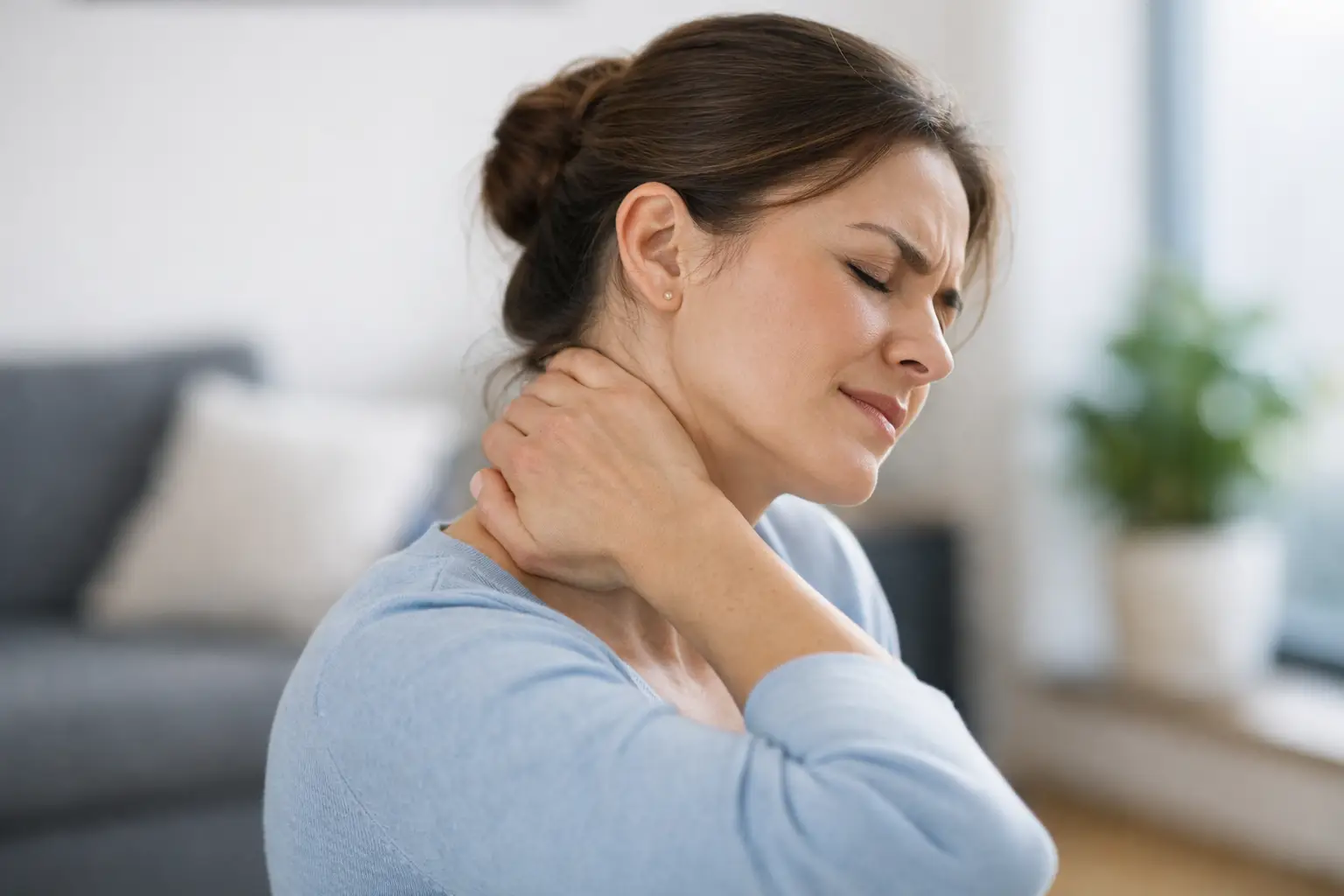
If the discomfort feels sharp, unusual, or lasts more than a couple of days, pay attention. Good massage aftercare includes listening to your body. More pressure is not always better, and future sessions may need a different style or intensity.
Rest matters more than people think
If you really want to know how to recover after massage, rest is one of the biggest answers. Your body often responds best when you avoid overloading it after treatment. That does not mean you must stay in bed all day. It means choosing a lighter pace if you can.
A short nap, a quiet evening, or simply skipping hard physical work for a few hours can help. This is especially true after deep tissue massage, stretching-based treatments, or any session where the therapist spent extra time on pain points.
Many people book massages because they are already physically tired. Working professionals, drivers, laborers, travelers, and service staff often come in after long hours on their feet or under stress. If that sounds like you, your body may need more recovery time than you expect.
Heat, showers, and physical activity
A warm shower after massage often feels good. It helps the body stay relaxed and can ease light soreness. Very hot water, steam, or long sauna sessions may feel too intense for some people right away, especially if you are already lightheaded or dehydrated.
Exercise is similar – it depends on the massage and your condition. Gentle walking is usually fine and can even help you feel loose. Heavy lifting, intense gym sessions, or sports immediately after a strong massage may not be the best move.
If your massage focused on pain relief or muscle tension, think of the next several hours as recovery time, not performance time. Let the treatment do its work.
Pay attention to how your body responds
Not everyone reacts to massage the same way. One person feels energized. Another feels sleepy. Someone else notices they are thirstier than usual or more aware of areas that were tight before. These different responses are normal.
That is why the best aftercare is personal. If your body wants stillness, give it stillness. If you feel refreshed and mobile, enjoy that, but do not push too hard too fast. Recovery works better when you respond to your actual condition instead of following random advice from the internet.
This is also where communication matters. If you know you usually get sore after deep pressure, tell your therapist before your next session. If stretching work helps you but heavy elbow pressure does not, say so. Professional therapists can adjust the session to match your body and comfort level.
Sleep can improve the results
A good night of sleep after a massage often makes the results feel better the next day. Your muscles relax more fully, and your nervous system has time to settle. If you had a late-night appointment, try not to go straight into stimulating activities, noisy places, or too much screen time if your goal is deep relaxation.
This is one reason many people like evening massage. You can go home, shower, drink water, rest, and let sleep complete the recovery. For people with long shifts or irregular schedules, even a short quiet window after treatment can make a difference.
When you should be more careful
Most massage recovery is simple, but there are a few cases where extra care makes sense. If you have an injury, fever, skin irritation, severe body pain, or a medical condition that affects circulation or muscles, standard advice may not be enough. In those cases, your recovery may depend on the type of massage and your general health.
Pregnant clients, older adults, and people recovering from physically demanding work may also need gentler treatment and slower recovery. There is no shame in asking for moderate pressure or a more relaxing style. Good service is not about proving how much pain you can handle. It is about getting results that actually help.
At Salma Spa Ajman, this practical approach matters. A professional massage should leave you feeling cared for, comfortable, and better than when you arrived – not confused about what to do next.
Simple habits that help the benefits last
The people who get the most from massage usually treat aftercare as part of the service. They drink water, avoid immediate strain, eat sensibly, and pay attention to sleep. They also notice what type of massage suits them best.
If oil massage helps you calm down and sleep better, that is useful to know. If Thai stretching leaves you mobile but you need a few recovery hours afterward, that is useful too. If cream massage feels gentle enough for regular stress relief, that can become part of your routine.
Massage works best when it fits your life, not when it creates extra stress. Affordable, professional care should make you feel better in a real and practical way.
The next time you finish a session, do not rush to shake off the feeling. Give your body water, a little quiet, and a bit of respect. Recovery after massage is often where the real comfort settles in.