
salma spa ajman

Your cart

No products in the cart.

How to Reduce Body Tension Fast

How to Reduce Body Tension Fast

Body tension usually does not start with one big problem. It builds slowly – tight shoulders after work, a stiff neck from looking down at a phone, sore legs after long standing hours, or a heavy back from stress that never really switches off. If you are searching for how to reduce body tension, the good news is that relief often starts with simple changes and the right hands-on care.

Many people wait until the pain feels serious. That is where they get stuck. Tension responds better when you deal with it early, before it turns into headaches, sleep problems, low energy, or daily discomfort that follows you everywhere. You do not always need a complicated routine. You need practical steps that actually fit real life.

Why body tension happens in the first place

Body tension is often a mix of physical strain and mental stress. Some people carry it in the neck and shoulders. Others feel it in the lower back, calves, hands, or jaw. If your work keeps you sitting for hours, lifting, driving, walking all day, or repeating the same motions, your muscles can stay in a guarded state for too long.

Stress also changes the body. When your mind stays alert, your muscles often stay alert too. That means shallow breathing, clenched shoulders, a tight jaw, and poor sleep. Then the next day starts with the body already tired.

There is also the daily habit side of it. Not drinking enough water, skipping movement, poor posture, and not taking proper rest all add up. For some people, intense exercise without recovery creates tension. For others, too little movement is the issue. It depends on your routine, your job, and how your body responds to pressure.

How to reduce body tension at home

If your tension is mild to moderate, a few small changes can make a real difference. The key is consistency. One good stretch helps, but daily care helps more.

Start with your breathing

When the body is tense, breathing often gets short and high in the chest. That keeps the nervous system active. A better pattern is slow breathing through the nose, letting the belly expand, then a long relaxed exhale. Even two to five minutes can calm the body enough to soften tight muscles.

This sounds basic, but it works because tension is not only in the muscles. It is also in the body’s stress response. If you calm that response, the muscles often stop gripping so hard.

Move before you feel stuck

People often stretch only after they feel pain. A better approach is to interrupt stiffness before it builds. If you sit for work, stand up every hour. If you stand all day, take a few minutes to walk and roll the shoulders. Gentle movement keeps blood flow better than staying in one position too long.

You do not need a full workout every time. Neck rolls, shoulder circles, easy side bends, light calf stretching, and a short walk are enough to break the tension cycle. The goal is not to force flexibility. The goal is to tell the body it is safe to relax.

Use heat when muscles feel hard and tight

A warm shower or heating pad can help stubborn tightness, especially in the back, shoulders, and legs. Heat improves comfort and can make stretching easier afterward. If the area feels freshly irritated or swollen, heat may not be the best choice right away. But for everyday stiffness, warmth usually helps.

This is one reason many people feel better after oil or cream massage. The combination of touch, pressure, and warmth can help the body shift out of that tense holding pattern.

Drink water and pay attention to fatigue

Dehydration does not cause every ache, but it can make the body feel worse. Muscles generally work better when you are hydrated and rested. If your schedule is busy, this is easy to ignore. But tension often gets stronger when your body is already run down.

Try not to treat tiredness like a normal background setting. If your body feels heavy every day, it is asking for recovery.

The role of posture without overthinking it

Posture matters, but many people make it too complicated. You do not need to sit like a statue. In fact, staying rigid can create more tension. What helps more is changing position often, keeping the screen at a better height, relaxing the shoulders, and avoiding long periods with the head pushed forward.

If you use your phone a lot, bring it up closer to eye level sometimes instead of dropping your neck down for long stretches. If you drive for work, adjust the seat so your back is supported. If you lift during the day, pay attention to how much strain your lower back is taking. Small corrections done regularly work better than trying to hold one perfect posture all day.

When massage helps reduce body tension

If home care is not enough, massage can be one of the fastest ways to reduce deep body tension. This is especially true when the tightness has built up over days or weeks and your muscles do not seem to let go on their own.

A good therapist can feel where your body is overworking and where pressure needs to be lighter. That matters because not every tight muscle needs strong force. Sometimes gentle, steady work is better than aggressive pressure. It depends on the area, your pain level, and how long the tension has been there.

For example, shoulder and neck tension from office work may respond well to focused upper body massage. Heavy leg fatigue from standing jobs may need more attention in the calves, feet, and lower back. Full-body massage is often best when stress and physical tiredness are happening together.

At Salma Spa Ajman, many clients come in for this exact reason – they are not looking for fancy wellness talk, they just want the body to feel lighter, looser, and more comfortable again.

Choosing the right style for tension relief

Different massage styles can help in different ways. Oil massage is a popular choice when the goal is smooth, relaxing bodywork that helps calm the nervous system and ease general stiffness. Cream massage can feel comforting for dry skin and tired muscles, especially if you want a softer glide with steady pressure.

Traditional styles also vary. Thai massage may suit people who benefit from stretching and assisted movement. Kerala or Indian massage can be a good fit for overall relaxation and circulation. Deeper therapist-led bodywork may help people who carry a lot of stubborn tension from physical labor. The best option depends on whether your body needs recovery, stretching, strong pressure, or simple stress relief.

That is why personalized treatment matters. Two people can both say they feel tense, but one needs calming work and the other needs targeted muscle release.

How to reduce body tension without making it worse

A common mistake is doing too much too fast. If muscles are already tight and irritated, aggressive stretching or very intense exercise can backfire. The body may tighten even more to protect itself. Start with gentle movement, heat, breathing, and moderate pressure. Build from there.

Another mistake is ignoring repeated pain signals. If you always wake up with neck pain, or your lower back tightens every evening, there is probably a pattern causing it. Relief gets easier when you address the habit behind the tension, not just the symptom.

And if you have numbness, sharp shooting pain, swelling, injury, fever, or pain that keeps getting worse, it is better to get medical advice first. Massage and self-care are helpful for common tension, but not every pain problem is simple muscle tightness.

Daily habits that keep tension from coming back

The best tension relief plan is the one you can repeat. A few minutes of stretching in the morning, short movement breaks during work, better hydration, and regular massage can do more than one occasional big effort.

It also helps to notice your personal triggers. Some people tense up after stress. Others after long driving, gym sessions, or overnight shifts. Once you know your pattern, you can act earlier. That usually means faster relief and less discomfort later.

If your body feels tight most days, do not wait for it to become unbearable. Relief is often easier, quicker, and more affordable when you handle tension early with the right habits and professional support when needed.

A relaxed body is not just about comfort. It helps you sleep better, move better, work better, and feel more like yourself again – and sometimes that starts with one good session and one better habit today.
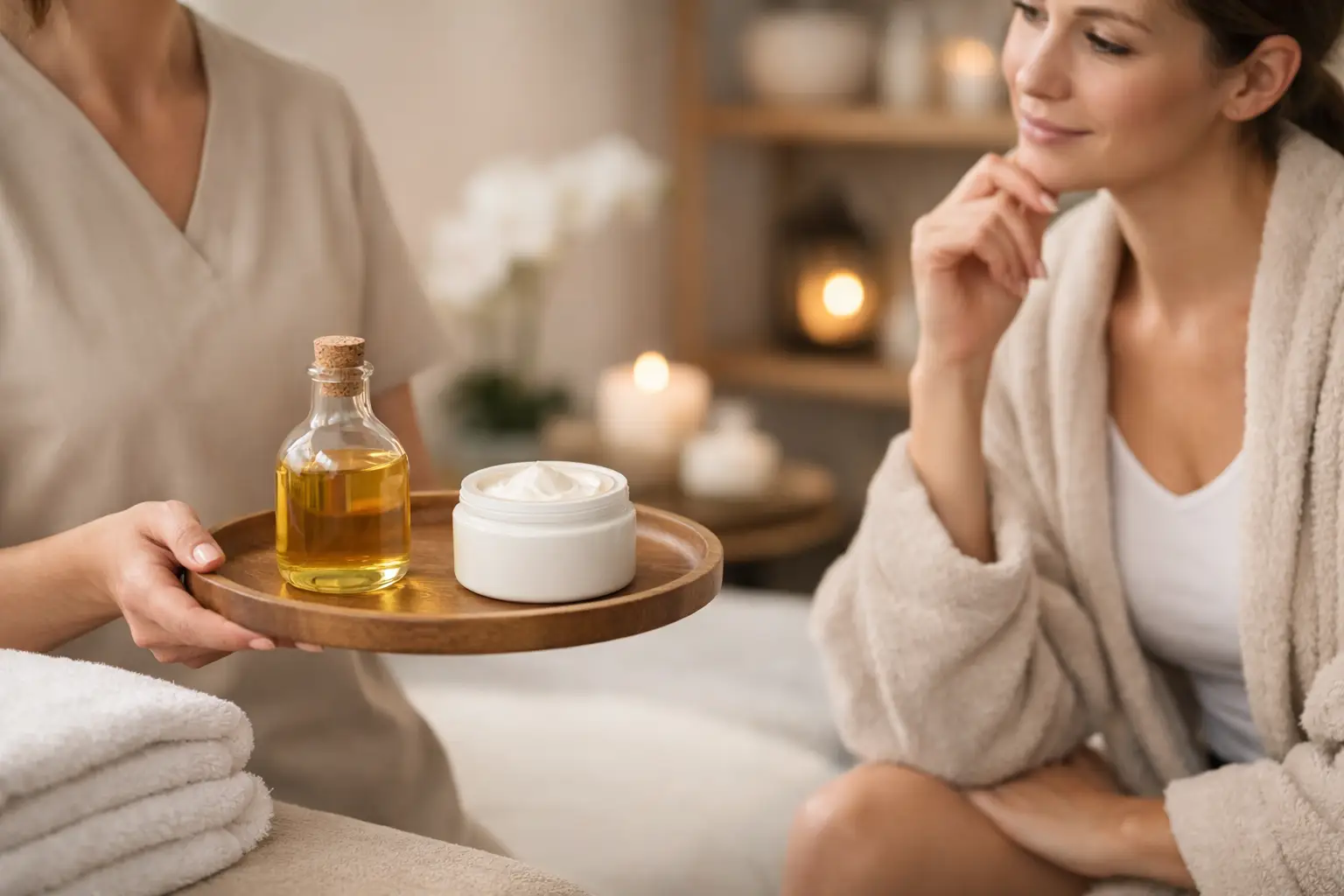
Professional Massage Therapist Benefits

Professional Massage Therapist Benefits

A good massage can feel nice for an hour. A professional massage therapist benefits your body in a different way – with better technique, safer pressure, and treatment that matches what your muscles actually need.

That difference matters when your back feels tight after work, your legs are heavy from standing all day, or stress is sitting in your neck and shoulders. Many people do not just want a relaxing moment. They want real relief, a clean environment, and a therapist who knows how to work on the body without making discomfort worse.

Why professional massage therapist benefits matter

The biggest benefit is simple. A professional therapist understands how to apply pressure with purpose.

Anyone can rub sore muscles. A trained therapist can read tension, notice sensitive areas, and adjust the massage based on your pain level, body type, and comfort. That means you are more likely to leave feeling lighter, looser, and genuinely refreshed instead of just temporarily distracted.

Professional care also gives you more confidence during the session. You know the treatment is being handled by someone who understands body mechanics, common tension patterns, and how different massage styles work. For customers, that creates peace of mind right away.

This is especially useful if you deal with regular fatigue from physical work, long driving hours, desk jobs, travel, or poor sleep. In those cases, massage is not only about comfort. It becomes part of staying functional and feeling normal again.

Professional massage therapist benefits for stress and body pain

Stress does not stay only in the mind. It shows up in the jaw, neck, lower back, shoulders, calves, and even your sleep. One of the strongest professional massage therapist benefits is how quickly the right treatment can calm both the body and the mood.

When a therapist works on tight muscles with skill, your body often responds fast. Breathing slows down. Shoulder tension begins to release. The head feels clearer. Even a single session can help you feel less irritated, less restless, and more comfortable in your own body.

For body pain, the result depends on the cause. If you have everyday soreness, muscle stiffness, work fatigue, or stress-related tightness, massage can help a lot. If you have an injury or a medical condition, the pressure and style should be adjusted carefully. That is another reason professional treatment matters. Good therapists know when to work deeper and when to stay gentle.

Many customers also notice better sleep after a session. This is common when the body has been carrying tension for days or weeks. Once the muscles soften and the nervous system settles, rest feels easier.

Better results because the treatment is personalized

Not every customer needs the same massage. Some people want deep pressure on the shoulders and back. Others need a calmer full-body session with oil or cream to ease general stress. Some want strong work on the legs after standing for long shifts. Others prefer a traditional style that feels familiar and culturally comfortable.

This is where professional service stands out. A qualified therapist does not give every customer the same routine. They listen first, then shape the session around your needs.

That personal approach is one of the most practical benefits of booking with a professional spa. If your neck is the main issue, more attention can go there. If your whole body feels drained, the treatment can focus on circulation and overall relaxation. If you are sensitive to pressure, the therapist can keep the session effective without making it painful.

There is also a comfort factor here. People relax faster when they feel heard. When a therapist checks pressure, responds to your feedback, and works respectfully, the entire experience feels safer and more satisfying.

Different massage styles, different benefits

Massage is not one single experience. The style you choose changes the result.

Oil massage is popular for customers who want smooth, calming bodywork with steady flow. It works well for general tension, dry muscles, and full-body relaxation. Cream massage can feel similarly soothing while offering a different texture that some customers prefer for comfort.

Traditional styles can also make a difference depending on your body and preference. Indian and Kerala massage are often chosen by people who want rhythmic work with a strong relaxation effect. Thai massage may suit those who prefer stretching and movement along with pressure. Russian massage can appeal to customers who like more active muscle work. Pakistani massage may feel familiar and comforting for some clients who want a style they know and trust.

There is no single best option for everyone. It depends on your tension level, pain points, and how much pressure you enjoy. A professional therapist helps you choose what fits instead of pushing a one-size-fits-all service.

Safety, hygiene, and trust are real benefits

People often focus only on relaxation, but safety is just as important.

A professional setting means cleaner rooms, better hygiene practices, and more respectful handling from start to finish. That affects your comfort more than many people realize. If the environment feels clean and organized, your body relaxes faster. If the therapist behaves professionally, you can actually enjoy the treatment without feeling tense or unsure.

Trust is a major reason customers come back. They want to know the therapist will listen, maintain proper boundaries, and deliver the massage with care. This is not a small thing. For many people, especially first-time customers, trust is the difference between trying a service once and making massage part of their routine.

Professional care also reduces the risk of the wrong pressure or careless technique. Stronger is not always better. Some sore areas need careful work, not force. A trained therapist understands that balance.

Convenience matters more than people admit

A great massage is valuable. A great massage that is available when you actually need it is even better.

Many customers look for relief after long work hours, late shifts, travel, or physically exhausting days. That is why flexible booking and late-night or 24-hour availability matter so much. The benefit is not only convenience. It means you do not have to wait until your tension becomes unbearable.

Affordable pricing matters too. If massage feels too expensive, people delay it and keep living with discomfort. But when professional treatment is offered at a practical entry price, it becomes a realistic option for more people – not a rare luxury.

For local customers in Ajman, this is one reason places like Salma Spa Ajman appeal to working adults who want dependable service without complicated pricing or hard-to-reach appointment times. They want straightforward booking, skilled therapists, and relief that fits their budget.

Who benefits most from professional massage therapy

The short answer is almost anyone dealing with tension, fatigue, or stress. But some people tend to benefit faster.

Working professionals often carry neck and shoulder strain from sitting, phone use, and mental stress. Laborers and service workers may feel it more in the lower back, legs, and feet. Drivers and travelers usually deal with stiffness from long hours in one position. People with irregular schedules often struggle with poor sleep and body heaviness that improves after proper massage.

Even customers who say, “I just want to relax,” often realize they were more tense than they thought. A professional session can show how much pressure the body has been holding.

Still, expectations should be realistic. One massage can help a lot, but ongoing stress or physical workload may require regular sessions. The good news is that even occasional treatment can make daily life feel more manageable.

What to expect from a professional session

A proper massage session should feel simple and comfortable from the beginning. You explain where you feel pain, tightness, or fatigue. The therapist may ask about pressure preference and the style you want. Then the session is adjusted to your needs.

During the treatment, communication matters. If the pressure feels too strong or too light, say so. A professional therapist will adjust. Good service is not about forcing one method. It is about giving you the best result for your body.

After the session, many people feel looser, calmer, and lighter right away. Some also notice improved movement in the neck, back, or legs. If your muscles were very tight, you may need water, rest, and another session later to keep the improvement going.

The best time to book is usually before your stress and pain build too much. You do not have to wait until your body feels completely worn out. Relief works better when it comes at the right time.

A professional massage is not only about feeling pampered. It is about feeling functional, rested, and comfortable again – and that can change your whole day for the better.

Oil Massage vs Cream Massage: Which Fits You?

Oil Massage vs Cream Massage: Which Fits You?

Some people know what they want the moment they walk in. Others ask the most common question first: oil massage vs cream massage – which one is better? The honest answer is simple. It depends on your body, your skin, and what kind of relief you want today. If your muscles feel tight, your skin feels dry, or your stress is sitting heavily in your shoulders and back, the right massage medium can change the full experience.

At a practical level, both options can help you relax, reduce body tension, and feel refreshed. But they do not feel the same on the skin, and they do not give the same style of glide, pressure, or after-feel. If you want a massage that matches your body instead of just booking blindly, it helps to know the difference before you choose.

Oil massage vs cream massage: the real difference

The biggest difference is how the therapist moves on your skin. Oil creates a smoother, more slippery glide. That means long flowing strokes feel easier, and the therapist can work across bigger muscle areas without too much drag. Cream has more grip. It still allows smooth movement, but it gives the therapist a little more control in focused areas.

This matters more than people think. If you come in with general body fatigue, stress, or stiffness after long work hours, oil massage often feels deeply relaxing because the movement is fluid and continuous. If your body needs more concentrated work on the neck, shoulders, lower back, or calves, cream massage can feel more targeted.

Texture also changes the finish. Oil usually leaves the skin feeling softer and more nourished, though some clients prefer to shower afterward. Cream is often lighter to manage after the session and may feel less greasy for people who want to get back to their day quickly.

When oil massage is the better choice

Oil massage is a favorite for clients who want full-body relaxation. It is especially good when the goal is to calm the nervous system, reduce everyday stress, and release tension that has built up from work, travel, or poor sleep. The long movement style works well for arms, legs, back, and shoulders, helping the body settle down instead of staying tight and alert.

It can also be a strong option if your skin feels dry. Oil tends to add a softer and more moisturizing feel during and after the session. For many people, that creates a sense of complete comfort, not just muscle relief.

Another reason people choose oil is the overall massage experience. It often feels more traditional, more flowing, and more soothing from start to finish. If you enjoy a massage that feels smooth, calming, and deeply relaxing, oil is often the first recommendation.

That said, oil is not always the perfect fit for every client. Some people do not like the slippery feeling. Others want stronger spot work without too much glide. If that sounds like you, cream may suit you better.

Best situations for oil massage

Oil massage usually works best when your body feels generally tired rather than limited to one painful point. It is a smart choice after long standing hours, heavy physical work, travel fatigue, gym soreness, or stress that is affecting your whole body. It also fits clients who want to fully switch off and enjoy a smooth, soothing session.

When cream massage is the better choice

Cream massage is often chosen by clients who want a balanced feel – smooth, but not too slippery. Because cream gives a little more resistance on the skin, the therapist can stay controlled while working on tighter areas. This makes it a useful option when your neck feels stuck, your shoulders are hard, or your lower back needs more direct attention.

Some people also simply prefer the finish of cream. It often feels cleaner and lighter afterward, which is convenient if you have plans, work, or travel right after the session. You still get comfort and relaxation, but without the heavier after-feel that some oils can leave behind.

Cream massage can also be a good middle option for first-time clients. If you are unsure whether you enjoy the richer texture of oil, cream can feel easier to start with. It gives the therapist room to do relaxation work and focused pressure in the same session.

This does not mean cream is always stronger or always better for pain. Technique matters more than the product alone. A skilled therapist can deliver excellent pressure with either one. But cream can make certain focused methods feel more precise.

Best situations for cream massage

Cream massage often suits clients with specific tension in the upper back, shoulders, calves, or lower back. It is also a practical choice for anyone who wants effective bodywork with less oily residue. If you want relief and comfort but also want to feel ready to continue your day, cream is often the easier choice.

What about pain, stress, and muscle tightness?

If your main concern is stress, oil massage usually wins for the overall feeling of relaxation. The flowing strokes help the body slow down, and many clients find it easier to mentally switch off during an oil session.

If your main concern is muscle tightness in a few areas, cream massage may feel more direct. The therapist can work with steadier control where the muscle is dense or overworked. For office workers, drivers, retail staff, laborers, and anyone carrying daily body strain, that focused contact can make a real difference.

Still, this is where the answer becomes personal. Two people can have the same shoulder pain and prefer completely different massage styles. One wants smooth full-body relaxation first. The other wants concentrated pressure on one side of the neck. That is why a good therapist asks questions before starting instead of using the same approach for everyone.

Oil massage vs cream massage for skin comfort

Skin comfort matters more than many clients expect. If your skin is dry and you enjoy a richer, softer feel, oil massage can be very satisfying. It tends to leave the skin feeling nourished and smooth.

If you dislike any sticky or shiny feeling, cream massage may feel more comfortable. It usually absorbs differently and can feel easier to live with after the session. For some clients, especially those booking a massage between work or errands, that makes cream the practical option.

If you have very sensitive skin, the safest approach is not to guess. Let the therapist know in advance if you have irritation, allergies, or strong product sensitivity. The right session always starts with clear communication.

Which one feels better during the massage?

This is where personal preference decides a lot. Oil feels more fluid. Hands glide continuously, and the body often feels like it is being worked on in long relaxing waves. Cream feels a bit more grounded. The therapist can still move smoothly, but you feel more controlled contact with the muscle.

Neither feeling is wrong. Some clients love the smooth luxury of oil every time. Others say cream feels more effective because they notice the pressure better. The best choice is the one that matches what your body needs and what you personally enjoy.

How to choose the right massage for your appointment

If you want one simple rule, use this. Choose oil massage when your goal is full-body relaxation, stress relief, smoother strokes, and skin softness. Choose cream massage when your goal is focused tension relief, controlled pressure, and a lighter finish after the session.

If you are still not sure, tell the therapist what you are feeling instead of choosing by product name alone. Say whether you are tired, sore, stressed, stiff, or dealing with one painful area. A professional therapist can guide you better when they understand your body concerns.

At Salma Spa Ajman, many clients choose based on the same practical reasons: how their body feels today, how much pressure they want, and whether they prefer a richer or lighter finish. That is the smart way to book. Not by trend, but by result.

The better choice is the one that matches your body

There is no single winner in oil massage vs cream massage because the better option changes from person to person and even from day to day. After a long stressful week, oil may feel exactly right. On another day, when your shoulders are hard and your back feels overworked, cream may be the better call.

The good news is that you do not need to overthink it. Focus on what you want most right now – deeper relaxation, targeted relief, softer skin, less residue, or stronger control on tight muscles. Once you know that, the right massage becomes much easier to choose.

A good massage should leave you feeling lighter, calmer, and more comfortable in your own body. Start with what your body is asking for today, and the rest follows naturally.

11 Relaxation Massage Benefits That Matter

11 Relaxation Massage Benefits That Matter

Some days your body tells the story before you say a word. Tight shoulders, a heavy back, restless sleep, and that worn-out feeling that stays with you from morning to night. That is exactly why relaxation massage benefits matter. This is not only about feeling nice for one hour. A good massage can help your body calm down, your mind slow down, and your whole day feel easier.

For many people, stress does not stay in the mind. It settles into the neck, lower back, legs, and even the jaw. Work pressure, long hours standing, travel, poor sleep, and daily responsibilities all build up. A relaxation massage gives your body a chance to reset. It is a simple service, but when done by a skilled therapist, the effect can be real and immediate.

Why relaxation massage benefits go beyond comfort

The first thing most people notice is relief. Muscles feel softer, breathing becomes easier, and the body feels less guarded. That matters because when your body stays tense for too long, everything feels harder. You get tired faster, your mood drops, and small discomforts become constant problems.

Relaxation massage uses smooth pressure, steady rhythm, and calming touch to encourage the nervous system to settle. This is different from a strong deep-pressure session meant to target stubborn knots. Here, the goal is to reduce overall tension and help the body shift from stress mode to rest mode. For someone feeling physically and mentally drained, that can make a big difference.

Another benefit is that it can help people reconnect with what their body needs. Many adults keep pushing through fatigue until it becomes normal. After a massage, they often realize how much tension they were carrying without noticing. That awareness helps people make better choices about rest, posture, movement, and regular self-care.

The most useful relaxation massage benefits for daily life

One of the biggest reasons people book this type of treatment is stress relief. A quality session creates a quiet break from noise, screens, and constant demands. Even one hour away from that pressure can help the mind feel clearer and less overloaded. This is especially useful for working professionals, shift workers, travelers, and anyone juggling long days with little downtime.

Better sleep is another major advantage. When the body is tight and the mind is racing, falling asleep can feel like work. Massage encourages relaxation in a way that often carries into the evening. Some people sleep more deeply after a session. Others simply find it easier to unwind at bedtime. It depends on the person, but many notice that rest comes more naturally when the body is less tense.

Muscle comfort is also a practical reason to book. Relaxation massage can ease everyday tightness in the shoulders, neck, back, arms, and legs. It may not solve a medical injury, and it is not a replacement for treatment when pain is severe, but it can absolutely help with common body fatigue. If you sit too long, stand too long, drive often, or do physically demanding work, gentle bodywork can make movement feel easier again.

People also like the mental effect. After a good massage, many feel lighter, calmer, and less irritated. That does not mean every problem disappears. It means the body gets a break from carrying stress at full volume. Sometimes that alone improves patience, focus, and mood.

Relaxation massage benefits for body tension and fatigue

Body fatigue is not always about hard exercise. Sometimes it comes from repetition. Lifting, walking, bending, typing, commuting, and working late can all wear the body down. A relaxation massage helps by supporting circulation and reducing that stiff, heavy feeling in tired muscles.

This is especially useful when discomfort is spread across the body rather than focused in one place. For example, someone may feel tired in the calves, lower back, and shoulders at the same time. In that case, a full-body relaxation session can be more helpful than chasing one painful spot.

Gentle oils or creams can also improve the comfort of the session. They help the therapist work smoothly across the skin and muscles without harsh friction. That creates a more calming experience, especially for people who want soothing pressure rather than intense force.

There is a trade-off here. If someone wants strong corrective work for deep muscle knots, a pure relaxation massage may feel too soft. But if the goal is overall relief, less stress, and a refreshed body, the lighter style is often exactly right.

Who gets the most from this type of massage?

Relaxation massage works well for a wide range of adults. Office workers often come in with neck stiffness, poor posture, and mental fatigue. Service workers and laborers may deal with sore legs, back tightness, and general body weariness. Travelers often feel swollen, tired, and out of rhythm after long journeys. Parents and caregivers may simply need one hour where they do not have to think about everyone else.

It is also a good option for first-time massage clients. Some people worry that massage will be too painful, too technical, or uncomfortable. Relaxation-focused treatment is usually easier to enjoy because it is straightforward and calming. It helps people feel safe, comfortable, and more open to regular sessions.

If you are extremely sensitive to pressure, have a low pain tolerance, or just want to switch off and relax, this style fits well. If you need targeted work for a specific condition, it may be better to ask for a customized session so the therapist can adjust the technique.

How often should you book for the best results?

This depends on your routine, stress level, and budget. Some people feel better with one session every few weeks. Others who work long hours or deal with constant body fatigue prefer weekly care. There is no single perfect schedule. The best plan is one you can maintain comfortably.

Regular sessions usually do more than one occasional visit. A single massage can bring quick relief, but repeated care helps stop tension from building to the same level again and again. Even affordable, simple sessions can have a strong effect when they become part of your routine.

That is one reason local massage services matter. When professional care feels accessible, people are more likely to book before stress becomes overwhelming. Salma Spa Ajman focuses on exactly that kind of practical service – therapist-led treatments, flexible hours, and affordable options for people who want real relief without making it complicated.

Getting the right experience from your massage

The best massage is not always the strongest one. It is the one that matches what your body needs that day. If you want calm, say so. If your shoulders are the main issue, mention that. If you prefer oil massage or cream massage, ask for it. A good therapist will adjust the session to your comfort and goals.

It also helps to be realistic. Massage can be powerful, but it is not magic. If you are severely dehydrated, sleeping badly every night, or pushing your body too hard every day, the effects may not last as long. Still, a proper session can be an important step in feeling better and functioning better.

Drink water after your massage, give yourself a little quiet time if possible, and pay attention to how your body responds. Many people notice easier movement, less heaviness, and a calmer mood for hours or even days afterward.

When relaxation massage benefits are worth it most

There are times when massage feels less like a treat and more like a smart decision. After a stressful work stretch, during travel fatigue, after too many nights of poor sleep, or when body tightness starts affecting your mood, a session can help you recover faster. You do not need to wait until you feel completely burned out.

That is really the value of relaxation massage. It gives tired people a simple way to feel human again. Less tension, better rest, calmer breathing, lighter muscles, and a clearer head are not small things. They make daily life easier.

If your body has been asking for a break, it is worth listening. Sometimes one quiet hour with a skilled therapist is enough to change the rest of your week.

Best Massage for Office Workers: What Works

Best Massage for Office Workers: What Works

You can usually tell an office worker by the shoulders. They sit a little too high, the neck stays stiff, and the lower back starts complaining before the day is even over. That is why the best massage for office workers is not just about feeling relaxed for one hour. It is about fixing the pressure that builds from long sitting, laptop posture, stress, and too little movement.

Office work looks easy from the outside, but the body pays for it. Tight traps, sore wrists, tension headaches, hip stiffness, and poor circulation are common after long desk hours. A good massage helps release that tension, improve comfort, and bring your body back to normal. The right choice depends on where your pain sits, how strong you want the pressure, and whether you need stress relief, pain relief, or both.

What makes the best massage for office workers?

For most office workers, the best treatment targets the neck, shoulders, upper back, lower back, and hips. These are the areas that suffer most from screen time and chair time. The massage should also help calm the nervous system because office stress is not only physical. Mental pressure often shows up in the body as tight muscles, shallow breathing, and fatigue.

That is why there is no single answer for everyone. Some people need deep pressure to break up stubborn knots. Others need a smoother, calming massage because their body is already too sensitive and overworked. The best result comes from choosing a style that matches your condition, not just picking the strongest option.

Best massage types for office workers

Oil massage for full-body tension

If your whole body feels heavy after work, oil massage is often the easiest place to start. It gives smooth movement across the muscles and helps the therapist work through general stiffness without making the session feel too rough. This style is especially good for people who carry stress everywhere, not only in one spot.

Office workers often like oil massage because it combines muscle relief with mental relaxation. When your back is tight and your mind is tired at the same time, this kind of massage can do both jobs well. It is not always the strongest treatment for deep knots, but it is one of the most balanced options for regular stress and body fatigue.

Deep tissue massage for stubborn neck and shoulder knots

Many office workers deal with hard knots around the neck, upper back, and shoulder blades. In that case, deep tissue work can be the best massage for office workers who want real pressure and focused relief. It reaches deeper layers of muscle and can help release tension that has built up over weeks or months.

There is a trade-off, though. Deep work can feel intense, especially if your muscles are already inflamed. If your pain is sharp or you are very sensitive to pressure, a gentler style may be better first. Stronger is not always smarter. A skilled therapist will adjust the pressure so you get relief without making the area angrier.

Thai massage for stiffness from too much sitting

Sitting for long hours shortens the hips, tightens the back, and leaves the body feeling locked. Thai massage can help because it combines pressure with assisted stretching. This is useful for office workers who feel stiff when standing up, bending, or turning the neck.

Thai massage is a strong option if your main problem is reduced mobility. It helps open the body, especially the hips, spine, shoulders, and legs. But if you only want a quiet, sleepy session with oil and soft music, this may not be your first choice. Thai massage is more active and can feel energizing rather than deeply sleepy.

Cream massage for gentle relief and comfort

Some office workers do not want very strong pressure. They just want to relax, ease minor pain, and feel better quickly. Cream massage works well for that. It gives smooth bodywork with a comforting feel, and many people prefer it when they are physically tired but do not want anything too intense.

This option can be a smart choice for first-time clients, older adults, or anyone dealing with stress, poor sleep, or mild everyday tension. It may not be the best solution for severe knots, but it is excellent for general comfort and a lighter recovery session after a long workday.

Head, neck, and shoulder massage for quick office stress

Not every office worker needs a full-body session every time. If your main issue is screen-related tension, a focused head, neck, and shoulder massage can make a big difference. This is one of the most practical choices for people with headaches, eye strain, upper back tightness, or a heavy feeling in the shoulders.

A shorter targeted massage can be enough when your stress lives mostly in the top half of the body. It is efficient, affordable, and easy to fit into a busy schedule. If your lower back and legs are also suffering, though, a full-body treatment usually gives better overall relief.

How to choose the right massage for your work pain

If your neck and shoulders are the main problem, go for deep tissue or a focused upper-body session. If your whole body feels stressed and tired, oil massage is usually the safest all-around choice. If sitting has made your hips and back feel stiff, Thai massage may help more than a purely relaxing style.

If you are not sure, tell the therapist exactly what your workday does to your body. Say if you sit for ten hours, use a laptop all day, drive a lot, or feel pain in one side more than the other. Good massage is not guesswork. The more clearly you explain the problem, the better the treatment can match it.

Why office workers need regular massage, not just once

One massage can help, but desk tension usually comes back. That is because the source of the problem is repetitive. The same chair, the same posture, the same stress, the same phone position. Regular massage helps manage that cycle before it turns into constant pain.

This does not mean you need luxury spa habits or expensive weekly treatments. Even an affordable session from time to time can reduce tension, improve sleep, and help you work with less discomfort. Many people notice they become less irritable and less tired when their body is not fighting tightness all day.

Regular massage also helps you notice your body sooner. Instead of waiting until your back becomes unbearable, you catch the problem while it is still manageable. That saves a lot of strain in the long run.

What to expect from a good session

A good massage for office workers should feel personalized. The therapist should ask where you feel tightness, what kind of pressure you prefer, and whether you want more focus on stress relief or muscle relief. That matters because office pain is not the same for everyone. One person has wrist and forearm tension from typing. Another has lower back pain from poor sitting support. Another has headaches from nonstop screen use.

You should leave feeling lighter, looser, and more comfortable in your posture. Some soreness can happen after stronger pressure, especially with deep tissue work, but the body should generally feel improved, not worse. Drink water, avoid jumping straight into heavy activity, and give yourself a little time to enjoy the effect.

Best massage for office workers who need affordable relief

A lot of working people delay massage because they think it has to be expensive or fancy. It does not. What matters most is skilled therapists, clear communication, and a treatment that fits your body. Affordable massage can still be high quality when the service is professional and the therapist understands how work stress shows up in the muscles.

At places like Salma Spa Ajman, many office workers choose practical treatments because they want fast relief, flexible timing, and real value. That makes sense. When your body is tired from work, you want dependable service, fair pricing, and a massage that actually helps.

The best choice is the one you will actually book and repeat when needed. A massage that suits your schedule, comfort level, and budget is more useful than a perfect-sounding treatment you never try.

If your work keeps loading stress into your neck, shoulders, and back, do not wait for the pain to become normal. The right massage can help you feel lighter, sleep better, and get through your day with a lot less strain.

A Real Guide to Massage After Work

A Real Guide to Massage After Work

By the time work ends, most people are not looking for theories. They want their neck to stop hurting, their back to loosen up, and their mind to calm down before the next day starts. That is exactly why a guide to massage after work matters. The right massage at the right time can take you from tired and irritated to relaxed, lighter, and ready to sleep well.

After-work massage is not only for people with office jobs. It helps drivers, hospitality staff, retail workers, laborers, travelers, and anyone who spends long hours standing, lifting, sitting, or dealing with stress. The biggest benefit is simple – you get fast relief when your body needs it most.

Why massage after work feels different

Your body carries work in very predictable places. Desk workers usually feel stiffness in the neck, shoulders, upper back, lower back, and wrists. People on their feet all day often feel pain in the calves, knees, feet, and lower back. Stress adds another layer by tightening the jaw, shoulders, and scalp.

That is why evening massage often feels more useful than a random weekend session. After work, your tension is fresh and easy to identify. You already know where the pain is, where your body feels heavy, and what kind of pressure sounds good. A skilled therapist can work directly on those areas and adjust the session based on how your day affected you.

There is also a mental side. Once work is done, your body finally gets permission to relax. A good massage helps slow that rush of thoughts, reduce physical fatigue, and give you a clean break between work time and personal time. For many people, that is the difference between carrying stress home and actually letting it go.

A practical guide to massage after work

The best after-work massage depends on what kind of day you had. If your body feels dry, tight, and generally overworked, oil massage is often a strong choice. It helps the hands move smoothly over tense muscles and creates a calming effect that suits evening sessions well. If you want something that feels soothing but slightly more structured, cream massage can be a comfortable option, especially for people who want relaxation without too much intensity.

If your pain is more specific, style matters. Thai massage can help if your body feels stiff and compressed, especially after sitting for long hours. Kerala and Indian styles may suit people who want a more traditional relaxation experience with steady bodywork and oil-based comfort. Russian massage may be better for those who want firmer attention on muscle tension. Pakistani massage can appeal to clients who prefer strong, practical bodywork aimed at real fatigue and body heaviness.

There is no single best style for everyone. Some people need deep pressure on the shoulders and back. Others need a gentler session because their body is already overstimulated. If you are booking after a rough shift, be honest about your pain level, your energy, and whether you want strong pressure or pure relaxation.

When to book your massage after work

Timing changes the experience more than people expect. If you go immediately after work, the benefit is direct. You arrive with the tension, the therapist works on it, and you leave feeling reset. This works well for people who know they will otherwise go home, eat, sit down, and stay tense all night.

If you wait an hour or two, that can also help, especially if you need time to eat lightly, shower, or mentally switch off first. The key is not to wait so long that your body stiffens even more. Tight muscles after work often harden as the evening goes on.

Late-night massage can be excellent for people with changing shifts or long workdays. A 24-hour spa is useful here because stress does not follow office timing. Some clients need relief at 10 p.m., some after midnight, and some early in the morning after overnight work. Convenience matters when your body is asking for help now, not tomorrow.

What to tell your therapist before the session

A better massage usually starts with a better conversation. You do not need long explanations. Just say what hurts, where you feel tightness, and what kind of pressure you want. Mention if your legs are tired from standing, if your shoulders are hard from computer work, or if your lower back is sore from driving.

You should also mention anything that makes bodywork harder for you, such as recent strain, sensitivity in certain areas, headaches, or trouble lying in one position. Good therapists adjust. That is part of professional service. A personalized massage always feels better than a routine session done the same way for everyone.

If you are unsure which style to choose, say that too. A practical spa should help you decide based on your body, not push you into a treatment that does not fit your needs.

How to choose the right session length

Not every after-work massage needs to be long. If your goal is quick relief for the back, neck, and shoulders, a shorter focused session may do the job well. This is often enough for busy workers who need immediate comfort without turning the visit into a full evening plan.

A longer session makes more sense when your whole body feels tired, your legs are heavy, and your stress level is high. Full-body work gives the therapist enough time to address several problem areas without rushing. If your fatigue is coming from both physical work and mental stress, the extra time can make a big difference.

The trade-off is simple. A short session is efficient and easier to fit into your schedule. A longer one gives more complete relief. It depends on whether your body needs a quick reset or a full recovery session.

What helps you get better results afterward

Massage does a lot during the session, but the hour after matters too. If possible, avoid going straight into something stressful. Give your body a little quiet time. Drink water, eat something light if you are hungry, and try not to load your muscles with more strain right away.

A hot shower later in the evening can help maintain the relaxed feeling. Gentle stretching may also help, but keep it easy. This is not the time to test your flexibility. Your body responds better when you let the massage settle in.

Sleep is another big benefit. Many clients notice that after a good evening massage, they sleep faster and wake up feeling less heavy. That is one reason after-work massage is so practical. It does not only fix the current pain. It can also improve how you recover overnight.

Who benefits most from an after-work massage

This kind of service works especially well for people with repetitive fatigue. Office workers often come in with screen-related tension in the neck and shoulders. Delivery drivers and drivers for hire usually need lower back, hip, and leg relief. Service staff often carry stress in the feet, calves, and upper back. Labor-intensive jobs can create full-body soreness that needs stronger, more targeted work.

Travelers also benefit more than they expect. Long flights, hotel beds, luggage, and unfamiliar routines can leave the body stiff and restless. An evening massage helps reset the body quickly, especially if you still need to function well the next day.

For many people in Ajman, practical service matters more than luxury talk. They want certified therapists, clear pricing, flexible hours, and massage styles that actually match their pain. That is why places like Salma Spa Ajman attract working people who want dependable relief without making it complicated.

Signs you should not keep waiting

If you are finishing work every day with the same tight shoulders, constant back discomfort, headaches, or heavy legs, your body is already telling you something. You may not need a dramatic wellness plan. You may just need regular care at the right time.

Massage after work is often most useful before pain becomes a bigger problem. If stress is affecting your sleep, your patience, or your movement, a simple session can help break that cycle. Waiting too long usually means the tension gets harder to ignore and harder to release.

Affordable massage is not just a treat for special days. For many adults, it is one of the most realistic ways to stay comfortable, keep moving, and feel more human after long shifts and demanding schedules.

The best after-work massage is the one that fits your actual day, your real pain, and your schedule. If your body feels tired tonight, that is reason enough to stop pushing through it and give yourself proper relief.

How to Pick Massage Therapist Right

How to Pick Massage Therapist Right

When your body feels heavy, your back is tight, and stress is sitting on your shoulders, you do not want a long wellness lecture. You want to know how to pick massage therapist services that actually help. The right therapist can leave you relaxed, lighter, and comfortable. The wrong one can waste your time, money, and energy.

That is why choosing carefully matters. A good massage is not only about a quiet room or nice oil. It is about finding a therapist who understands pressure, listens to your needs, respects your comfort, and gives you the kind of treatment your body really needs.

How to pick massage therapist for your needs

Start with the reason you want a massage. Some people need deep pressure after long working hours. Some want to relax after stress and poor sleep. Some have leg pain, shoulder stiffness, neck tension, or full-body fatigue. If you do not know what result you want, it becomes harder to choose the right therapist.

A relaxation massage and a stronger bodywork session are not the same. If your goal is simple stress relief, a gentle oil or cream massage may be enough. If your muscles feel tight from physical work, travel, or standing all day, you may need a therapist with stronger hands and better experience in pressure-based techniques. This first step sounds basic, but it saves a lot of disappointment.

You should also think about which style feels right for you. Some customers prefer Indian or Kerala massage for traditional oil-based body relaxation. Others like Thai massage for stretching and pressure. Some ask for Russian massage because they want more focused muscle work. Pakistani massage may feel familiar and comfortable for people who know that style already. The best choice depends on your body, your pain level, and your comfort.

Look for therapist skill, not only a low price

Affordable service is always attractive, especially when you want regular massage without spending too much. But low price alone should never make the decision for you. If a therapist is cheap but inattentive, rushed, or untrained, the session may not help much.

A better approach is to look for value. Ask whether the therapist is experienced, whether the service is professional, and whether your treatment can be adjusted to your body condition. A good massage therapist knows when to increase pressure, when to go softer, and when to focus on one area longer. That kind of judgment matters more than fancy marketing.

Certified or professionally trained therapists are usually a safer choice because they understand body mechanics, pressure control, and customer care. This does not mean the most expensive option is always the best. It means you should look for clear signs of real skill. Friendly service is good, but friendly service without technique is not enough.

Comfort matters more than people admit

Many customers think only about the massage style, but personal comfort is just as important. If you feel uneasy with the therapist, the environment, or the communication, your body will stay tense. Then even a technically good massage may not feel very helpful.

A good therapist should make you feel respected from the beginning. They should listen when you mention pain areas, ask about pressure preferences, and respond calmly if you want something adjusted. You should never feel forced into a style, pressure level, or session that does not suit you.

This is also where clear communication helps. Tell the therapist if you want gentle pressure, medium pressure, or stronger work. Mention old injuries, current soreness, or any area you want them to avoid. Some customers stay quiet and hope the therapist will guess everything. That usually leads to an average session instead of a great one.

Check if the service is personalized

One easy way to judge quality is to see whether the treatment feels personalized or generic. A therapist who gives the exact same routine to every customer may not be the right fit for you. Bodies are different. Stress patterns are different. Pain points are different.

If you spend all day driving, your lower back and shoulders may need more attention. If you work standing up for long hours, your legs and feet may need deeper relief. If you are mentally stressed and physically tired, a full-body relaxation massage with oil may be better than intense pressure. The right therapist notices these differences and adjusts the treatment.

This is especially important when a spa offers many massage traditions. Variety is useful only if someone helps match the service to your real need. Too many choices can confuse customers. A professional therapist or staff member should be able to guide you simply and clearly.

How to pick massage therapist by asking the right questions

You do not need to ask ten complicated questions. Just ask the practical ones that affect your comfort and results. What massage style is best for stress and body pain? Can the pressure be adjusted? Is the therapist experienced in full-body relaxation or stronger muscle work? How long is the session, and what should you expect?

These questions tell you a lot. If the answers are clear and confident, that is a good sign. If the answers are vague, rushed, or confusing, you may not get the service you want. Professional service should feel simple, not complicated.

You can also ask about availability. This matters more than people think. If you only have free time late at night, early morning, or between work shifts, a place with flexible hours is much more practical than one with limited timing. Convenience is part of quality, especially for busy customers who need quick relief without making life harder.

Cleanliness and atmosphere should be obvious

A massage is a personal service. Clean towels, fresh sheets, tidy rooms, and good hygiene are the minimum, not a bonus. If a place looks careless, it becomes difficult to relax fully.

The atmosphere does not need to be luxury-level to feel good. Many customers care more about comfort, privacy, and respectful service than expensive decoration. A simple, clean, friendly setting can be perfect if the therapists are skilled and the treatment is handled properly.

This is one reason local, practical massage businesses often work well for regular customers. They focus less on showing off and more on giving dependable relief. For many people, that is exactly what they want.

Reviews help, but your own needs matter more

Customer reviews can be useful, especially when they mention therapist behavior, professionalism, cleanliness, and results. If many people say the staff is respectful, the massage is satisfying, and the pressure can be customized, that is encouraging.

Still, reviews are only part of the picture. One person may love very strong pressure while another finds it too much. One customer may want stretching, while another only wants calm relaxation. So read reviews for patterns, not for perfection.

Your own body should make the final decision. If a therapist listens, adjusts well, and leaves you feeling genuinely better, that matters more than any promotional promise.

Choose a place that is easy to return to

The best massage therapist is not always the one who gives one amazing session. Very often, it is the one who gives consistent results every time. Reliability matters. You want to know that when stress, body pain, or fatigue comes back, you can return and expect good service again.

That is why practical things such as fair pricing, easy booking, friendly staff, and 24-hour availability can make a real difference. For working people, travelers, and anyone with an irregular schedule, massage is often about timing as much as technique. A good service should fit real life.

For example, Salma Spa Ajman stands out for customers who want certified therapists, different massage styles, flexible availability, and affordable sessions without making the process complicated. That kind of straightforward service is exactly what many customers are looking for.

The best choice is the one that fits your body

If you are still unsure how to pick massage therapist options near you, keep it simple. Choose someone professional, communicative, clean, and able to adjust the session to your needs. Pick a massage style based on your actual body condition, not just on what sounds interesting. And do not ignore comfort, because relaxation starts there.

A good massage should leave you feeling cared for, not confused. When the therapist is skilled, the pressure is right, and the service fits your schedule and budget, your body notices the difference right away. Start with what you need most, trust clear service over big claims, and give yourself the kind of relief that actually helps.

Top Benefits of Body Massage That Matter

Top Benefits of Body Massage That Matter

After a long shift, a full day on your feet, or hours stuck at a desk, your body usually tells the truth before your mind does. Tight shoulders, back pain, heavy legs, poor sleep, and constant stress are common signs that you need real relief. That is why the top benefits of body massage matter so much for everyday life – not as a luxury, but as a practical way to feel better, move easier, and reset your energy.

Why the top benefits of body massage matter in real life

Most people do not book a massage because they want something fancy. They book because their neck feels stiff, their lower back hurts, their stress is building up, or they simply feel tired all the time. A good massage helps with these real problems in a direct and noticeable way.

Massage is one of the simplest ways to give the body a break from pressure. It can support physical comfort, mental relaxation, and better day-to-day function. For people with busy schedules, irregular work hours, or physically demanding jobs, even one session can make a clear difference.

That said, results can vary. Some people feel lighter and more relaxed immediately. Others notice the biggest changes after regular sessions. It depends on your stress level, muscle tightness, sleep habits, and the type of massage you choose.

Stress relief you can feel right away

One of the biggest reasons people look for massage is stress. When stress builds up, the body tightens. The shoulders rise, the jaw gets stiff, the back feels heavy, and the mind does not switch off easily. Massage helps reduce that physical tension, which often helps calm the mind too.

This is why many people leave a session feeling quieter, more settled, and less irritated. The body responds to touch, pressure, and steady therapist-led movement in a way that can ease that constant overstimulated feeling. If your days are packed with work, traffic, screens, and pressure, massage offers a simple pause that your body actually notices.

For some clients, oil massage or cream massage feels especially helpful here because the flow is smooth and calming. If stress is your main issue, a gentler style may work better than very deep pressure.

Relief from muscle pain and stiffness

Another major benefit is pain relief. Body massage can help reduce muscle tightness in the neck, shoulders, back, legs, and arms. This matters for office workers, drivers, retail staff, laborers, and anyone doing repetitive movement through the day.

When muscles stay tight for too long, simple things start feeling harder. Turning your neck, bending down, walking comfortably, or even sleeping well can become a problem. Massage helps loosen those areas and improve how the body feels during normal movement.

This does not mean massage replaces medical treatment. If pain is severe, ongoing, or linked to an injury, you should get proper medical advice. But for common everyday soreness, fatigue, and body tension, massage is often a practical and effective choice.

Better sleep without forcing it

People who struggle with sleep are often also dealing with stress, tension, or physical discomfort. It is hard to sleep deeply when your back hurts or your mind is racing. One of the top benefits of body massage is that it helps the body slow down naturally.

After a good session, many people feel calmer, heavier in a good way, and more ready to rest. The body is not fighting tension anymore, so sleep can come more easily. Even if the first result is just one better night of sleep, that can improve your mood, patience, and energy the next day.

Regular massage may be especially useful for people who work late shifts, travel often, or have changing schedules. It gives the body a stronger signal to relax, which can help when routines are inconsistent.

Improved circulation and a lighter body feeling

A quality body massage can support better circulation, which often leaves people feeling refreshed after treatment. This is part of why the body may feel warmer, looser, and less heavy once the session ends.

Many clients describe this as feeling more awake but also more relaxed at the same time. If your body often feels dull, sluggish, or weighed down after work, massage can help bring back a sense of movement and ease.

This is one reason massage works well for people who sit for long hours or stand for long hours. Both can create stiffness and fatigue, just in different ways. The right massage helps the body feel less stuck.

Less tension in the neck, shoulders, and back

For many adults, the neck, shoulders, and back hold the most stress. Long workdays, phone use, bad posture, and physical effort all add up. These areas become tight slowly, then one day the pain feels constant.

Massage targets these problem spots directly. A trained therapist can work on tension points, muscle knots, and areas that feel overused. This focused work often brings the fastest relief because it addresses the parts of the body that suffer most during daily life.

Pressure matters here. Some people need a firm approach to break up stiffness. Others respond better to moderate pressure that relaxes the muscles without causing soreness afterward. Good massage is not about using the strongest force possible. It is about using the right technique for your body.

Better mood and mental reset

Physical discomfort affects your mood more than most people realize. When your body feels tight, tired, or sore, patience gets shorter and small problems feel bigger. When your body feels relaxed, your mood usually improves too.

Massage can help you feel mentally reset. That does not mean every worry disappears, but it often becomes easier to think clearly and handle the day with a calmer mind. Many clients book not only for body pain, but because they want to feel normal again after stress has built up for too long.

This emotional benefit matters just as much as the physical one. Feeling comfortable in your body can change how you work, rest, and interact with people around you.

Support for active people and hard workers

Massage is not only for people who want to relax quietly. It is also useful for people who push their bodies hard. If your job is physical, if you walk a lot, lift a lot, or stay active most of the day, your muscles need recovery.

A massage session can help reduce that worn-out feeling that comes after repeated physical effort. It can also help you return to work or daily routines with less stiffness. For this reason, massage is often a smart habit for both active workers and people who exercise regularly.

Different massage styles can suit different needs. Some people prefer flowing relaxation. Others want more focused bodywork for deep tightness. The right choice depends on what your body is asking for at that moment.

A simple way to care for yourself regularly

One overlooked benefit of massage is consistency. It gives people a practical, repeatable way to care for themselves before stress and pain become worse. Many adults wait until their body feels exhausted, then finally seek relief. A better approach is to treat massage as basic maintenance.

Even occasional sessions can help you stay ahead of tension. Regular sessions may offer better long-term comfort, especially if your schedule, job, or stress level is demanding. You do not need to make it complicated. The main goal is simple – feel better, function better, and avoid carrying unnecessary discomfort every day.

That is where a reliable local spa makes a difference. If the service is professional, affordable, and available when you actually need it, booking becomes much easier to maintain. Salma Spa Ajman is built around that idea, giving clients straightforward massage options, trained therapists, and flexible availability so relief does not have to wait.

What to expect from the best results

The best massage results usually come from clear communication. Tell your therapist where you feel pain, whether you want soft or firm pressure, and what kind of result you want most. Some clients want full relaxation. Some want pain relief. Some want both.

It also helps to be realistic. One session can feel excellent, but chronic tension from months of stress may need regular care. And if your daily habits stay the same, like poor posture or nonstop overwork, tightness may return quickly. Massage helps a lot, but it works best when matched with enough rest, water, and a little recovery time.

If your body has been asking for relief, listening sooner is usually better than waiting longer. A good massage can help you relax, sleep better, move more comfortably, and get through the week with less strain. Sometimes feeling better starts with one practical decision – giving your body the care it has been missing.

Is Cream Massage Good for Body Relief?

Is Cream Massage Good for Body Relief?

After a long shift, a sleepless night, or hours on your feet, the real question is simple: is cream massage good when your body feels heavy, tight, and tired? For many people, the answer is yes. A good cream massage can help relax muscles, reduce surface tension, improve comfort, and leave the skin feeling softer at the same time.

This is one of the reasons cream massage stays popular with people who want relief without anything complicated. It feels smooth on the skin, it helps the therapist work comfortably across the body, and it often suits people who want a gentler experience than a very strong dry-pressure session. If your goal is to feel calmer, lighter, and more refreshed, cream massage can be a very good option.

Is cream massage good for stress and body pain?

In many cases, yes. Cream massage is often good for everyday stress, mild body pain, stiffness, and general fatigue. It is especially useful when the body feels overworked but you still want comfort during the session. The cream creates a smooth glide, which helps the therapist use steady hand movements without dragging the skin.

That matters more than some people think. When the hands move smoothly, the massage can feel more relaxing from the first few minutes. For someone with shoulder tightness, back fatigue, leg soreness, or neck stiffness from work, that smoothness can make the whole treatment easier to enjoy.

Cream massage can also be a practical choice for people with dry skin. Unlike some massage styles that focus only on pressure, this type gives a double benefit. The body gets hands-on work, and the skin often feels moisturized afterward. For customers who want both relaxation and skin comfort, this is a strong reason to choose it.

Still, there is one honest point to mention. If you want very deep muscle work for heavy knots or sports recovery, cream massage may not always be the first choice on its own. It depends on the pressure, the therapist’s technique, and what your body needs that day.

What makes cream massage different?

The main difference is the medium used during the treatment. Oil massage gives a lighter, more fluid glide. Cream massage usually feels slightly richer, more controlled, and more cushioned on the skin. That can create a comforting experience, especially for people who prefer a less slippery finish.

Some customers simply like the feel of cream better. It can be easier for certain massage strokes, especially in sessions focused on comfort, steady pressure, and body relaxation. A trained therapist can still apply medium or firm pressure, but the overall feel is often softer and more soothing.

Another difference is skin finish. With cream massage, the skin may feel nourished instead of overly oily after the session. For many people, that is a practical benefit. They want to relax, freshen up, and continue the day without feeling too greasy.

Who should try cream massage?

Cream massage works well for a wide range of people. If you sit for long hours, lift things at work, travel often, or deal with daily stress, this type of massage may suit you. It is also a good fit for people who are new to massage and want something calming and approachable.

Working professionals often choose it for neck, shoulder, and lower back tiredness. Laborers and service staff may like it because it gives body relief while still feeling comfortable on sore muscles. Travelers may prefer it after flights or long road trips because it helps the body settle down and feel less stiff.

It can also be a good option if your skin feels dry or rough. Since the cream sits differently on the skin than oil, some people find it more comfortable, especially in air-conditioned environments where skin dryness becomes more noticeable.

If you are very sensitive to products, though, it is smart to ask what cream is being used. Skin reactions are not common for everyone, but they can happen. A professional spa should take this seriously and help match the treatment to your comfort.

When cream massage is a smart choice

There are certain situations where cream massage makes a lot of sense. One is when your body needs relaxation more than aggressive pressure. Another is when your skin feels dry and you want a treatment that leaves you feeling smoother afterward.

It is also a smart choice when you want a balanced experience. Some people do not want a treatment that feels too clinical or too intense. They want something simple – good handwork, friendly care, and clear relief. Cream massage often fits that need well.

For late-night customers, shift workers, and people booking after a tiring day, this style can feel especially satisfying. You do not have to overthink it. If the goal is to rest the body and feel better quickly, cream massage can be exactly enough.

Is cream massage good for everyone?

Not always. A good spa should be honest about that. Cream massage is helpful for many people, but the best massage always depends on your condition, your pressure preference, and your purpose.

If you have severe muscle tightness, sports strain, or deep chronic pain, you may need a stronger therapeutic approach or a custom session that combines techniques. If you dislike any residue on the skin, you may prefer another style. If you have allergies, certain creams may not suit you.

This does not mean cream massage is a weak option. It simply means massage is personal. What feels perfect for one customer may feel too gentle for another. The right therapist will ask where you feel pain, how much pressure you want, and what kind of result you expect.

How to get the best result from a cream massage

A lot depends on communication. Tell the therapist if your pain is in the lower back, shoulders, calves, or neck. Mention whether you want soft relaxation, medium pressure, or stronger work. If a certain area feels too tender, say so early.

It also helps to arrive with realistic expectations. One session can make a real difference in comfort, but if your body has been tense for weeks, you may need regular treatment. Massage is not magic. It works best when the therapist understands your body and the session is matched to your needs.

Hydration matters too. So does rest after the session if possible. When you give your body a little time to settle, the results often feel better and last longer.

Cream massage vs oil massage

People ask this often because both are popular. The better choice depends on what you enjoy. Cream massage usually feels richer, smoother, and more moisturizing. Oil massage often feels more fluid and traditional, especially for long flowing strokes.

If your skin feels dry, cream may be the better pick. If you like a classic glide and lighter finish during the session, oil may suit you more. Neither one is automatically better. The better one is the one that matches your body and comfort level.

This is why professional guidance matters. At places like Salma Spa Ajman, customers often want something simple: good therapists, clear service, fair pricing, and a massage that actually helps. In that setting, cream massage stands out because it is easy to enjoy, practical for many body types, and effective for common stress and fatigue.

What to expect during the session

A standard cream massage session should feel calm, private, and well-paced. The therapist will usually begin with smooth strokes to warm the muscles, then move into pressure on areas that need more attention. The cream helps the hands move comfortably while keeping the skin protected from friction.

Most customers notice a few things right away. The body starts to loosen up. Tight areas feel less guarded. The skin feels softer. By the end, the body often feels lighter and more settled.

The result is not just physical. Many people come in mentally tired. A good cream massage can reduce that restless, overworked feeling and bring the body back to a more relaxed state. That emotional relief is one reason customers book again.

So, is cream massage good?

Yes, for many people it is. It is good for relaxation, everyday body fatigue, mild pain, dry skin, and general stress relief. It is especially helpful when you want a massage that feels comfortable, smooth, and refreshing without being harsh.

The only real answer, though, is the practical one: it is good when it matches your body’s needs. If you want personalized care, friendly service, and a treatment that helps you feel better fast, cream massage is often a very smart choice. Listen to your body, choose a skilled therapist, and book the style that leaves you feeling truly at ease.

Customized Massage Therapy Ajman That Fits You

Customized Massage Therapy Ajman That Fits You

Not every body needs the same massage. Some people walk in with neck stiffness from long office hours. Others have sore legs after standing all day, back tension from physical work, or simple mental stress that will not go away. That is why customized massage therapy Ajman is the better choice for many customers. You get treatment based on your pain points, pressure level, comfort, and timing – not a fixed routine that ignores what your body is telling you.

At Salma Spa Ajman, the idea is simple. You should be able to get a good massage at a fair price, at the time you actually need it, from a therapist who listens first and works with care. For many people in Ajman, that matters more than fancy words or luxury packaging. They want relief, comfort, and a service that feels personal from the start.

Why customized massage therapy Ajman makes more sense

A standard massage can feel good, but a customized session usually feels more useful. Real body tension is not equal from head to toe. You may have tight shoulders and a lower back issue, but no need for deep work on your legs. You may want a calming oil massage with light pressure because you are stressed and tired, or stronger work because your muscles feel heavy and stiff.

That is where personalized treatment helps. The therapist can adjust pressure, timing, and technique based on your condition. If you are sensitive in one area, they can ease off. If one side of your body is tighter than the other, they can spend more time there. If you came mainly to relax, the session can focus on comfort and a smoother rhythm instead of intense muscle work.

This flexibility is especially useful in Ajman, where customers come from different jobs, routines, and lifestyles. Office workers, drivers, retail staff, hotel employees, laborers, and travelers all carry tension in different ways. A customized massage respects that difference.

What a personalized massage session can include

A customized session is not one fixed style. It can combine techniques and products depending on what feels right for you. Some customers prefer oil massage because it supports smooth movement and a calming experience. Others like cream massage for a softer finish on the skin. Some want stretching and pressure inspired by Thai massage, while others prefer the steady, traditional feel of Indian or Kerala massage.

There is no need to force one method on everyone. A good therapist will first understand your main goal. Are you trying to reduce stress? Ease body pain? Improve movement? Relax before sleep? Recover after a long work shift? The answer changes the session.

This is also why a multicultural service menu matters. Different massage traditions bring different strengths. Thai techniques may help if your body feels tight and compressed. Russian-style massage may suit customers who want firmer muscle work. Indian and Kerala approaches can feel grounding and deeply relaxing. Pakistani massage can be a preferred option for customers who are familiar with that style and trust its rhythm and pressure. What works best depends on your comfort and what your body responds to.

Who benefits most from customized massage therapy in Ajman

The short answer is almost everyone, but the reasons are different. If you sit for long hours, your neck, shoulders, and upper back often hold the most tension. If you stand or walk all day, your calves, feet, and lower back may need attention first. If your work is physical, muscle fatigue may be more spread out and require a stronger, more focused approach.

Then there are customers who are not chasing pain relief as much as mental relief. They are overloaded, tired, irritated, or sleeping badly. For them, a massage is less about one sore spot and more about helping the whole body settle down. In that case, pressure, room comfort, and therapist pacing matter just as much as technique.

Travelers also benefit because long drives, flights, and unfamiliar schedules can leave the body stiff and restless. A customized session helps reset that tension quickly. And because many people need relief outside regular hours, 24-hour availability becomes part of the value, not just a convenience.

What to expect from a good therapist

A real customized massage starts before the hands-on part begins. The therapist should ask what hurts, where you feel stress, what pressure you prefer, and whether there are areas you want them to avoid. That simple conversation makes a big difference. It helps the customer feel comfortable, and it helps the therapist work with purpose.

Professional therapists also understand that strong pressure is not always better. Some customers think pain means the massage is working, but that is not true in every case. If the pressure is too much, the body can tense up instead of relaxing. A skilled therapist knows how to adjust. The goal is effective relief, not unnecessary discomfort.

Friendliness matters too. Many customers return to a spa because they feel respected there. They want a place that is easy to deal with, clear about pricing, and focused on customer comfort. That practical trust is a big part of the experience.

Affordable does not mean basic

One reason customized massage therapy Ajman stands out is that personalized care does not have to come with a high price tag. Many customers assume custom service will be expensive, but affordable treatment can still be attentive and professional. When pricing starts at AED 100, it becomes easier for more people to book when they need help, not only when they are willing to spend big.

That matters in real life. Stress and body pain do not wait for payday or weekend plans. If massage is too expensive, people delay it until their discomfort gets worse. Affordable pricing makes regular care more realistic for working people, residents, and visitors who want relief without overthinking the cost.

There is still a trade-off to be honest about. If someone expects a high-end resort environment with luxury extras, that is a different category. But many customers are not looking for that. They want skilled hands, clear service, a comfortable setting, and results they can feel. For that kind of customer, value is more important than decoration.

Choosing the right massage style for your needs

If you are booking for the first time, think about your main reason before you arrive. If your body feels dry, heavy, and generally tired, oil massage is often a strong option because it supports a smooth, relaxing session. If you want a soothing touch with a soft finish, cream massage may feel better. If stiffness is the main issue, a therapist-led style with more focused pressure or stretching may be the right match.

It also depends on your tolerance. Some people enjoy firm work and leave feeling loose and refreshed. Others prefer medium or light pressure and still get excellent results. There is no single best answer. The best massage is the one that matches your body on that day.

That is the real strength of customized service. You do not need to fit yourself into a preset menu. The session should fit you.

Why timing matters as much as technique

Body pain and stress do not follow office hours. A customer may finish a late shift, feel exhausted at midnight, and want relief right away. Another may only be free early in the morning. A 24-hour spa service is practical because it fits the customer’s life instead of asking the customer to rearrange everything.

That flexibility is especially helpful for shift workers, travelers, and anyone with changing schedules. It also makes spontaneous self-care possible. Sometimes the body reaches a point where waiting another day is not smart. Fast access to a massage can be the difference between a manageable ache and a miserable night.

A massage should leave you feeling understood

The best sessions are not only about pressure or technique. They are about being heard. When a therapist understands your concern and adjusts the treatment around it, the experience feels better from start to finish. You relax faster because you know the session is built for your comfort, not copied from a script.

That is why customized massage therapy in Ajman continues to appeal to so many people. It is practical, personal, and affordable. You get care that suits your body, your stress level, and your schedule. If you need a massage that works around your real life instead of forcing you into a standard plan, personalized treatment is the smart choice – and often the most satisfying one.