
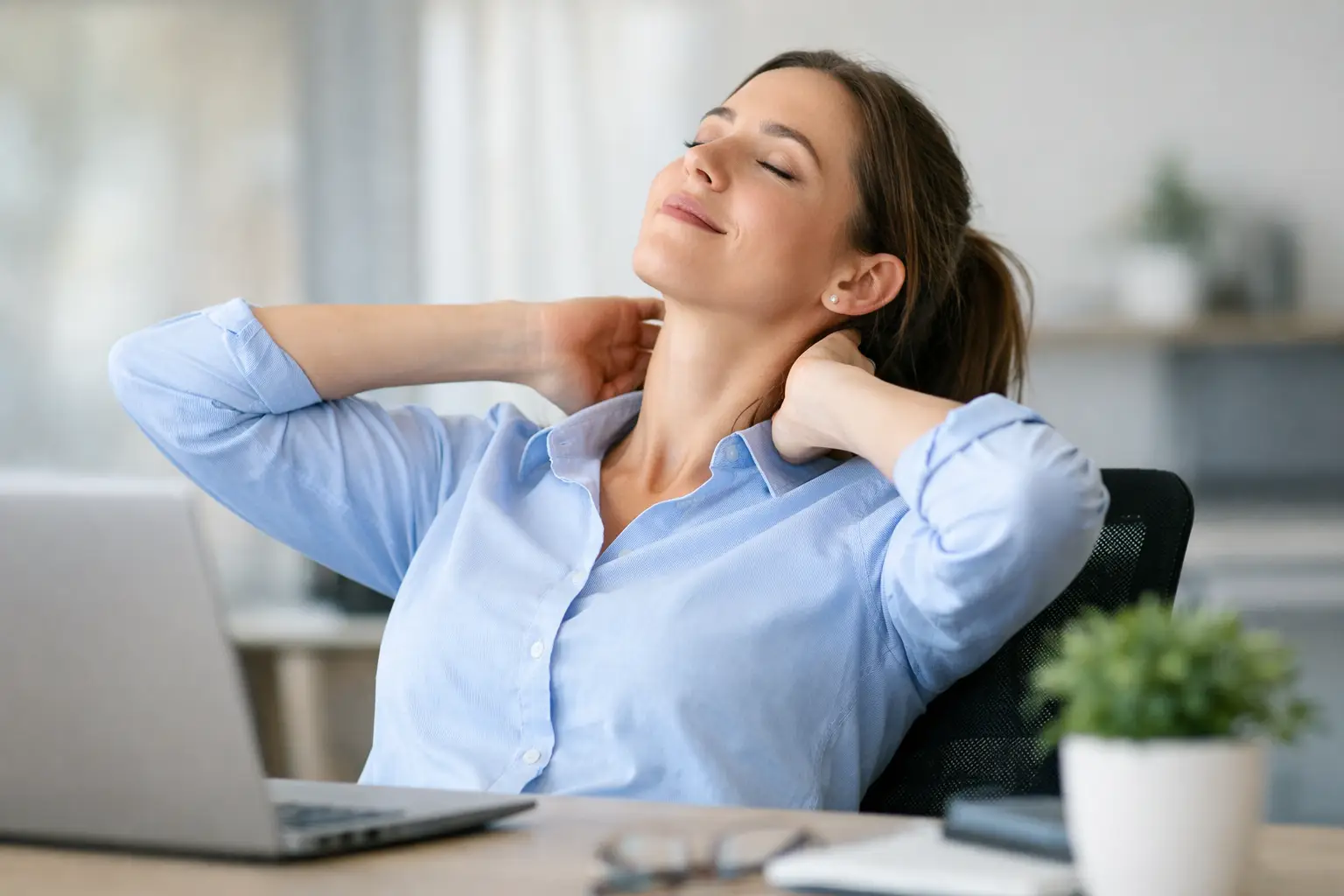
How to Reduce Body Tension Fast
Body tension usually does not start with one big problem. It builds slowly – tight shoulders after work, a stiff neck from looking down at a phone, sore legs after long standing hours, or a heavy back from stress that never really switches off. If you are searching for how to reduce body tension, the good news is that relief often starts with simple changes and the right hands-on care.
Many people wait until the pain feels serious. That is where they get stuck. Tension responds better when you deal with it early, before it turns into headaches, sleep problems, low energy, or daily discomfort that follows you everywhere. You do not always need a complicated routine. You need practical steps that actually fit real life.
Why body tension happens in the first place
Body tension is often a mix of physical strain and mental stress. Some people carry it in the neck and shoulders. Others feel it in the lower back, calves, hands, or jaw. If your work keeps you sitting for hours, lifting, driving, walking all day, or repeating the same motions, your muscles can stay in a guarded state for too long.
Stress also changes the body. When your mind stays alert, your muscles often stay alert too. That means shallow breathing, clenched shoulders, a tight jaw, and poor sleep. Then the next day starts with the body already tired.
There is also the daily habit side of it. Not drinking enough water, skipping movement, poor posture, and not taking proper rest all add up. For some people, intense exercise without recovery creates tension. For others, too little movement is the issue. It depends on your routine, your job, and how your body responds to pressure.
How to reduce body tension at home
If your tension is mild to moderate, a few small changes can make a real difference. The key is consistency. One good stretch helps, but daily care helps more.
Start with your breathing
When the body is tense, breathing often gets short and high in the chest. That keeps the nervous system active. A better pattern is slow breathing through the nose, letting the belly expand, then a long relaxed exhale. Even two to five minutes can calm the body enough to soften tight muscles.
This sounds basic, but it works because tension is not only in the muscles. It is also in the body’s stress response. If you calm that response, the muscles often stop gripping so hard.
Move before you feel stuck
People often stretch only after they feel pain. A better approach is to interrupt stiffness before it builds. If you sit for work, stand up every hour. If you stand all day, take a few minutes to walk and roll the shoulders. Gentle movement keeps blood flow better than staying in one position too long.
You do not need a full workout every time. Neck rolls, shoulder circles, easy side bends, light calf stretching, and a short walk are enough to break the tension cycle. The goal is not to force flexibility. The goal is to tell the body it is safe to relax.
Use heat when muscles feel hard and tight
A warm shower or heating pad can help stubborn tightness, especially in the back, shoulders, and legs. Heat improves comfort and can make stretching easier afterward. If the area feels freshly irritated or swollen, heat may not be the best choice right away. But for everyday stiffness, warmth usually helps.
This is one reason many people feel better after oil or cream massage. The combination of touch, pressure, and warmth can help the body shift out of that tense holding pattern.
Drink water and pay attention to fatigue
Dehydration does not cause every ache, but it can make the body feel worse. Muscles generally work better when you are hydrated and rested. If your schedule is busy, this is easy to ignore. But tension often gets stronger when your body is already run down.
Try not to treat tiredness like a normal background setting. If your body feels heavy every day, it is asking for recovery.
The role of posture without overthinking it
Posture matters, but many people make it too complicated. You do not need to sit like a statue. In fact, staying rigid can create more tension. What helps more is changing position often, keeping the screen at a better height, relaxing the shoulders, and avoiding long periods with the head pushed forward.
If you use your phone a lot, bring it up closer to eye level sometimes instead of dropping your neck down for long stretches. If you drive for work, adjust the seat so your back is supported. If you lift during the day, pay attention to how much strain your lower back is taking. Small corrections done regularly work better than trying to hold one perfect posture all day.
When massage helps reduce body tension
If home care is not enough, massage can be one of the fastest ways to reduce deep body tension. This is especially true when the tightness has built up over days or weeks and your muscles do not seem to let go on their own.
A good therapist can feel where your body is overworking and where pressure needs to be lighter. That matters because not every tight muscle needs strong force. Sometimes gentle, steady work is better than aggressive pressure. It depends on the area, your pain level, and how long the tension has been there.
For example, shoulder and neck tension from office work may respond well to focused upper body massage. Heavy leg fatigue from standing jobs may need more attention in the calves, feet, and lower back. Full-body massage is often best when stress and physical tiredness are happening together.
At Salma Spa Ajman, many clients come in for this exact reason – they are not looking for fancy wellness talk, they just want the body to feel lighter, looser, and more comfortable again.
Choosing the right style for tension relief
Different massage styles can help in different ways. Oil massage is a popular choice when the goal is smooth, relaxing bodywork that helps calm the nervous system and ease general stiffness. Cream massage can feel comforting for dry skin and tired muscles, especially if you want a softer glide with steady pressure.
Traditional styles also vary. Thai massage may suit people who benefit from stretching and assisted movement. Kerala or Indian massage can be a good fit for overall relaxation and circulation. Deeper therapist-led bodywork may help people who carry a lot of stubborn tension from physical labor. The best option depends on whether your body needs recovery, stretching, strong pressure, or simple stress relief.
That is why personalized treatment matters. Two people can both say they feel tense, but one needs calming work and the other needs targeted muscle release.
How to reduce body tension without making it worse
A common mistake is doing too much too fast. If muscles are already tight and irritated, aggressive stretching or very intense exercise can backfire. The body may tighten even more to protect itself. Start with gentle movement, heat, breathing, and moderate pressure. Build from there.
Another mistake is ignoring repeated pain signals. If you always wake up with neck pain, or your lower back tightens every evening, there is probably a pattern causing it. Relief gets easier when you address the habit behind the tension, not just the symptom.
And if you have numbness, sharp shooting pain, swelling, injury, fever, or pain that keeps getting worse, it is better to get medical advice first. Massage and self-care are helpful for common tension, but not every pain problem is simple muscle tightness.
Daily habits that keep tension from coming back
The best tension relief plan is the one you can repeat. A few minutes of stretching in the morning, short movement breaks during work, better hydration, and regular massage can do more than one occasional big effort.
It also helps to notice your personal triggers. Some people tense up after stress. Others after long driving, gym sessions, or overnight shifts. Once you know your pattern, you can act earlier. That usually means faster relief and less discomfort later.
If your body feels tight most days, do not wait for it to become unbearable. Relief is often easier, quicker, and more affordable when you handle tension early with the right habits and professional support when needed.
A relaxed body is not just about comfort. It helps you sleep better, move better, work better, and feel more like yourself again – and sometimes that starts with one good session and one better habit today.