A Guide to Relaxing Spa Treatments
After a long work shift, travel day, or week of body pain, most people do not want a complicated wellness plan. They want real relief. This guide to relaxing spa treatments is made for exactly that – helping you understand which treatments actually help with stress, muscle tension, tiredness, and mental fatigue, so you can choose with confidence and feel better faster.
Some spa treatments are soft and calming. Others are stronger and better for deep body pressure. The best choice depends on what your body feels like today, not what sounds fancy. If your shoulders are tight, your back feels heavy, or your legs are sore, the right treatment can make a big difference in one session.
Why a guide to relaxing spa treatments matters
Many people book the first service they see and hope for the best. Sometimes that works. Sometimes it does not. A relaxing treatment should match your pain level, pressure preference, and energy level.
If you are mentally stressed but not in much physical pain, a gentle oil or cream massage may be the better option. If your muscles feel hard and overworked, a stronger bodywork style may help more. Relaxation is not one-size-fits-all. Good service starts with choosing the treatment that fits your body.
That is also why professional therapists matter. A trained therapist knows when to keep pressure light, when to focus on knots, and how to adjust the session so you leave feeling looser instead of sore for the wrong reason. Friendly service helps too. People relax faster when they feel comfortable, respected, and listened to.
The main types of relaxing spa treatments
When people hear the word spa, they often think every treatment is the same. It is not. Some services are best for calming the mind, while others focus more on muscle recovery.
Oil massage for full-body relaxation
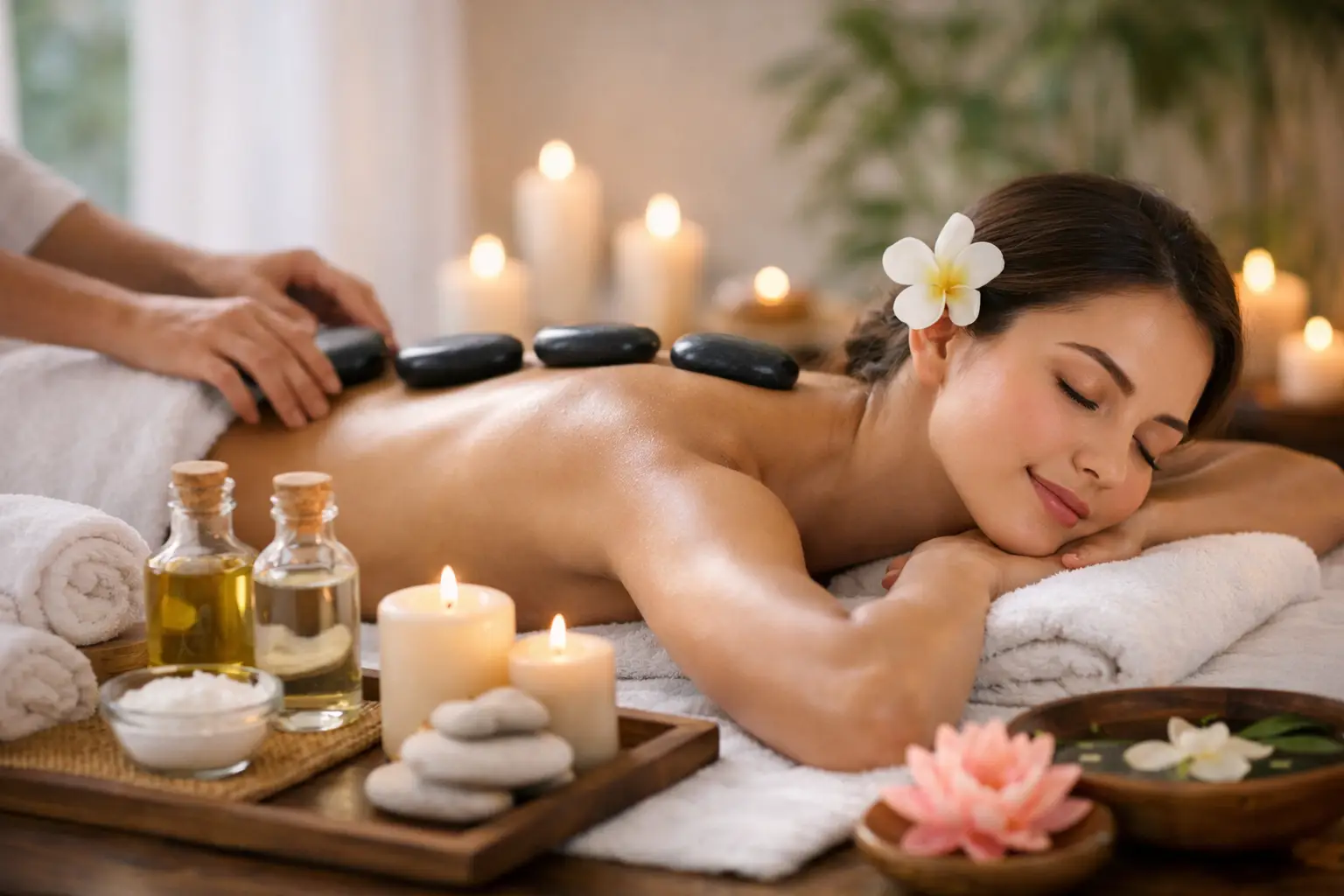
Oil massage is one of the most popular choices for a reason. It is smooth, calming, and works well for people who feel tense, dry, stiff, or mentally overloaded. The oil helps the therapist move gently across the body without rough friction, which makes the session feel soothing from start to finish.
This is a strong choice if you want to relax your full body, improve comfort, and reduce daily stress. It is especially helpful after long office hours, standing jobs, travel, or poor sleep. If you want a session that feels easy on the body but still effective, oil massage is often the safest place to start.
Cream massage for soft pressure and skin comfort
Cream massage is another relaxing option, especially for people who prefer a smooth touch with a slightly richer feel on the skin. Many clients like it because it feels gentle and nourishing while still helping with light tension.
This can be a good option if your body feels tired but you do not want very strong pressure. It is also useful for people who simply want comfort and quiet time rather than heavy muscle work. The result is usually a calm body, lighter mood, and a feeling of freshness.
Thai massage for stretching and body movement
Thai massage is different from standard oil or cream massage. It usually includes stretching, pressure work, and assisted body movement. For some people, this feels amazing because it helps release stiffness in the back, hips, legs, and shoulders.
It is a good fit if you feel tight and blocked rather than just stressed. But it depends on your preference. If you want only gentle touch and complete stillness, Thai massage may feel more active than what you are looking for. If you enjoy stretching and want to feel your body open up, it can be one of the best choices.
Indian, Kerala, Russian, and Pakistani massage styles
Different massage traditions bring different pressure styles and techniques. Indian and Kerala massage are often chosen by people who enjoy rhythmic work, oil-based techniques, and full-body relaxation with traditional influence. Russian massage may suit clients who want firmer bodywork and focused muscle attention. Pakistani massage can also appeal to those who want practical, pressure-based relief for body tiredness and stress.
The right choice depends on how much pressure you like and where your pain sits. Some people need slow relaxation. Others need therapists who can work deeper into tired muscles. A good spa service should adjust the treatment to you, not force one fixed method on every client.
How to choose the right treatment for your needs
The easiest way to choose is to ask one simple question: what is bothering you most right now?
If the answer is stress, mental fatigue, or poor sleep, go for a calming full-body treatment like oil massage or cream massage. If the answer is body stiffness, muscle heaviness, or tight legs and back, choose a style with stronger pressure or stretching. If the answer is both, a customized session is usually the best option.
Pressure matters more than many people think. Light pressure can calm the nervous system and help you switch off. Medium pressure is a balanced choice for people who want both comfort and muscle relief. Strong pressure can be very effective for deep tension, but not everyone enjoys it. There is no prize for choosing the hardest massage. The best session is the one that helps your body recover.
Timing matters too. A quick treatment can help when you need fast relief, but a longer session usually gives the therapist more time to work on problem areas properly. If your neck, lower back, and legs are all tight, giving the session enough time usually leads to better results.
What to expect during a relaxing spa visit
A good spa experience should feel simple from the beginning. You should be able to explain what hurts, what kind of pressure you want, and whether you prefer a calming or stronger treatment. The therapist should listen and guide you clearly.
During the session, the body should gradually feel warmer, looser, and less guarded. Your breathing usually slows down. Your shoulders drop. Your mind becomes quieter. That is a sign the treatment is working.
Not every massage feels the same in every minute. Some areas may need firmer pressure, especially where the muscles are tight. But the full session should still feel helpful and controlled, not harsh. If anything feels too strong or too light, speak up. Good therapists want feedback because it helps them give better results.
After the treatment, many people feel lighter, sleepier, and more comfortable in their body. Some feel immediate relief. Others notice the full benefit later the same day after rest and water. It depends on your stress level, your muscle condition, and the style you choose.
When regular spa treatments make the biggest difference
A single massage can help a lot, especially when stress is high. But regular treatments often give better long-term comfort. This is true for people with physical jobs, long driving hours, repeated standing, gym soreness, or constant shoulder and back tension.
You do not need an expensive luxury routine to feel better. Consistent, affordable care is often more useful than rare high-end sessions. For many people, that means choosing a trusted local spa with professional therapists, flexible timing, and services that fit real daily life.
This is where practical value matters. If a spa is available when you actually need it, offers clear pricing, and gives customized care, it becomes easier to make relaxation part of your routine instead of a once-in-a-while treat. Salma Spa Ajman is one example of this kind of service – straightforward, affordable, therapist-led, and available when clients need relief most.
Simple signs you chose the right spa treatment
The right treatment does not need fancy words to prove itself. You can usually tell by the result. Your body feels less tight. Your mind feels quieter. Moving feels easier. You breathe better. You leave feeling cared for instead of rushed.
A good spa visit should also make you want to come back because the service felt dependable. Friendly staff, clean surroundings, professional therapists, and respect for your comfort all matter just as much as the technique itself. Relaxation starts with trust.
If you are choosing your next session, keep it simple. Think about your pain, your pressure preference, and how you want to feel when you walk out. The best relaxing spa treatment is not the most complicated one – it is the one that gives your body the exact relief it has been asking for.