
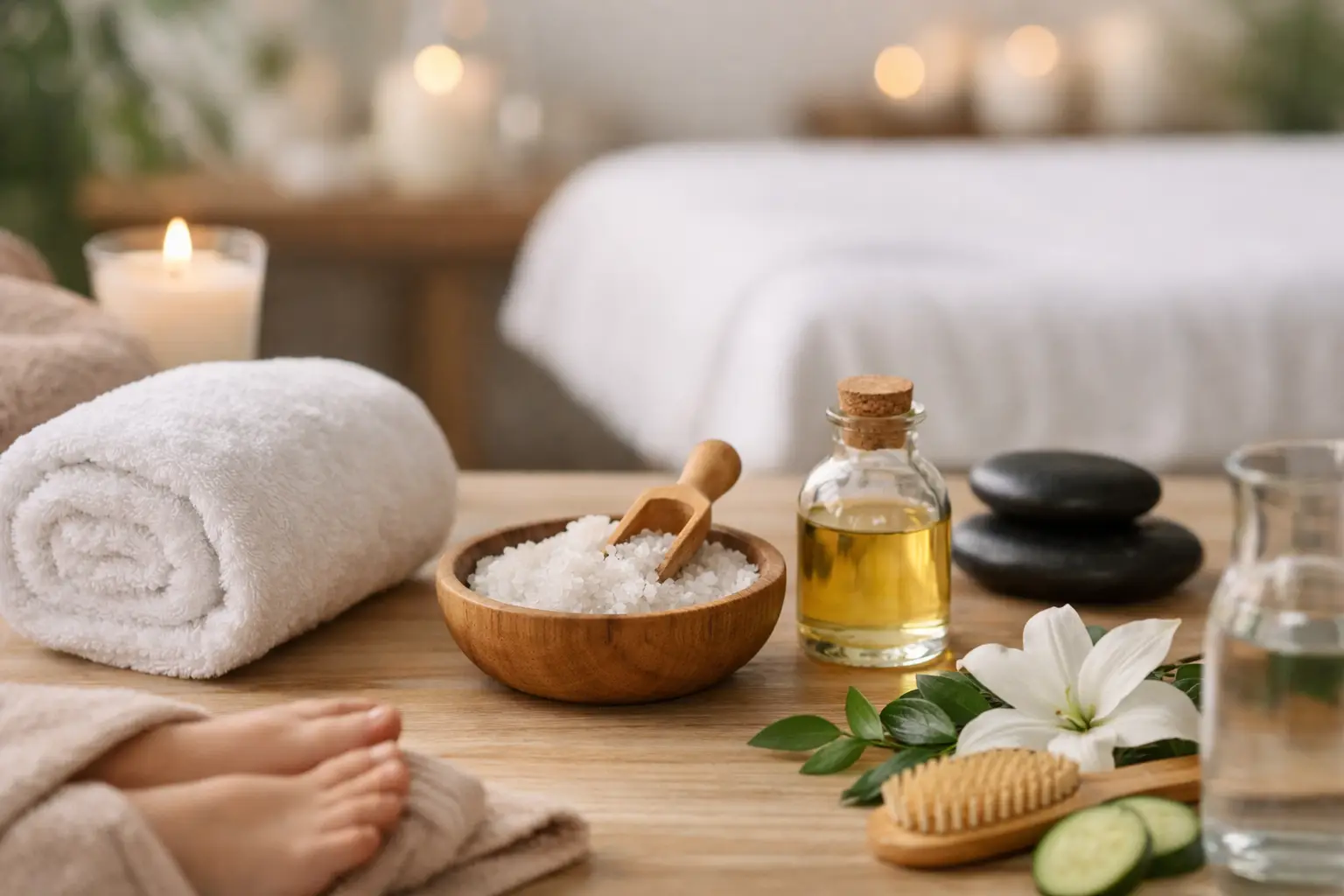
How to Prepare for Massage the Right Way
A good massage starts before you lie down on the table. If you are wondering how to prepare for massage, the goal is simple – come in comfortable, clean, relaxed, and ready to tell your therapist what your body needs.
That does not mean you need a big routine or special products. In most cases, a better session comes from a few practical choices. Eat light, arrive on time, wear easy clothes, and be clear about pain, stress, or tight areas. These small steps help your therapist give you a smoother, more effective treatment from the first minute.
How to prepare for massage before you leave home
The best preparation starts with timing. Try not to rush in straight from a stressful call, a hard workout, or a heavy meal. Give yourself a little space before your appointment so your body can settle down. Even 15 to 30 minutes makes a difference.
Food matters more than many people expect. It is better to avoid a large, greasy, or very spicy meal right before your massage. Lying face down with a full stomach is not comfortable. A light meal or snack is usually the better choice, especially if your session is long.
Water also helps. You do not need to force yourself to drink too much, but coming in dehydrated can leave your muscles feeling tighter and more sensitive. Drink a normal amount of water before your appointment so you feel comfortable, not bloated.
A quick shower is always a smart idea. It helps you feel fresh and relaxed, and it makes the session more comfortable for both you and the therapist. If you are coming after work, travel, or outdoor activity, cleaning up first is even better.
Clothing should be simple. Choose loose, comfortable clothes that are easy to change out of and back into. Tight jeans, heavy belts, and complicated outfits can make the start and end of the session feel more stressful than necessary.
What to avoid before a massage
Some habits can make a massage less enjoyable. Alcohol is one of them. Even a small amount can affect how your body feels and responds, and it can leave you more dehydrated. It is better to skip it before your appointment.
Very intense exercise right before a massage is another thing to think about. Some people like a massage after physical work or training, and that can help. But if your muscles are already overworked, very aggressive pressure may not feel good. In that case, tell your therapist so they can adjust the style and pressure.
Try not to load your schedule too tightly. If you book a massage and then plan to race immediately to another meeting, you may spend the whole session thinking about the clock. A massage works best when your mind is not under pressure.
Be honest about pain, injuries, and pressure
One of the biggest parts of how to prepare for massage is knowing what to say before the treatment begins. You do not need medical language. Just explain what feels wrong.
If your lower back is tight, say that. If your neck hurts when you turn to one side, mention it. If your legs are tired from long standing hours, tell the therapist. If you have an old injury, recent surgery, fever, skin irritation, or any health condition that could affect treatment, speak up clearly.
This is especially important because not every massage should feel the same. A person with desk-job stiffness may need different work than someone who does physical labor all day. A traveler with swollen feet may want relief in the legs and shoulders. Someone under high stress may prefer a calming oil massage instead of very strong pressure.
Pressure is personal too. Strong is not always better. Some customers think a painful massage means it is working, but that is not always true. Good therapy should match your body, not fight it. If you like medium pressure, ask for it. If you want deep work in one area and gentle work in another, say that before the session starts.
Arrive early and settle your mind
Getting there a bit early helps more than most people realize. When you arrive rushed, breathing fast, checking your phone, and thinking about traffic, your body stays tense. Even the best therapist has to spend more time helping you come down from that stress.
If possible, arrive a few minutes early, sit down, and take a breath. Put your phone on silent. Let yourself switch from work mode to rest mode. This is a simple step, but it can improve the whole experience.
If you are visiting a place like Salma Spa Ajman for a late-night or after-work session, this matters even more. Many customers come in carrying a full day in their shoulders and back. A calm arrival gives your treatment a better start.
Personal comfort matters more than perfection
Some people feel nervous before their first massage. That is normal. They worry about what to wear, how to lie down, whether to talk, or whether they need to look a certain way. The truth is much simpler. A professional therapist is there to help you feel comfortable, not judged.
You do not need to prepare like it is a formal event. Just come clean, respectful, and ready to communicate. If you prefer quiet, that is fine. If you need a moment to settle in, that is fine too. If the room feels too cool, the face cradle feels uncomfortable, or the pressure is too much, say it.
Massage should feel supportive, not awkward. The more clearly you speak, the easier it is for the therapist to give you a treatment that fits your needs.
Choosing the right massage affects how you prepare
Not every session needs the same preparation. If you are booking a relaxing oil or cream massage, the goal is often stress relief, smoother body movement, and overall comfort. In that case, coming in rested and ready to relax is the main thing.
If you are choosing a stronger style or a more focused bodywork session, it helps to mention your pain points in more detail. For example, if you want Thai stretching, your therapist may need to know about stiffness, mobility limits, or joint pain. If you are booking a traditional style such as Indian, Kerala, Russian, or Pakistani massage, your comfort with pressure, oil, and pace can shape the session.
This is where practical communication matters. The more your therapist understands your goal, the better they can customize the service. Some people want full-body relaxation. Others want targeted relief in the back, legs, neck, or shoulders. Both are fine, but the session should match the reason you booked it.
What to do right before the session starts
Use the restroom if you need to. Remove jewelry, watches, and anything bulky. Take a final moment to think about the one or two things you want most from the appointment. Better sleep tonight? Less shoulder tension? Relief after standing all day? Tell your therapist directly.
Try not to over-explain. Clear and simple is enough. Saying, “My neck and upper back are very tight, and I want medium pressure” is more useful than a long story that never gets to the point.
Then let yourself relax into the process. You do not need to perform relaxation perfectly. Your only job is to breathe, stay comfortable, and speak up if something needs adjusting.
Aftercare starts with preparation
A good massage does not end the second you get off the table. What you do after matters too, and part of preparation is planning for that. If possible, avoid going straight into heavy physical work right after your session. Give your body some time to enjoy the result.
Drink water, eat normally, and pay attention to how you feel. Some people feel light and energized. Others feel sleepy and deeply calm. If you had strong pressure on tight muscles, mild soreness can happen. That does not always mean something is wrong. But sharp pain or ongoing discomfort should be mentioned if you book again.
This is also why it helps not to schedule your massage at the worst possible moment in your day. A little breathing room afterward lets the benefits stay with you longer.
The simple answer to how to prepare for massage
Preparing well is not complicated. Shower if you can, eat light, wear comfortable clothes, come a little early, and be honest about what hurts and what feels good. That is enough to make your session easier, smoother, and more satisfying.
When massage is done right, it does more than pass the time. It helps tired muscles loosen up, gives the mind a break, and leaves you feeling more like yourself again. A little preparation before you arrive can turn a decent session into real relief.