
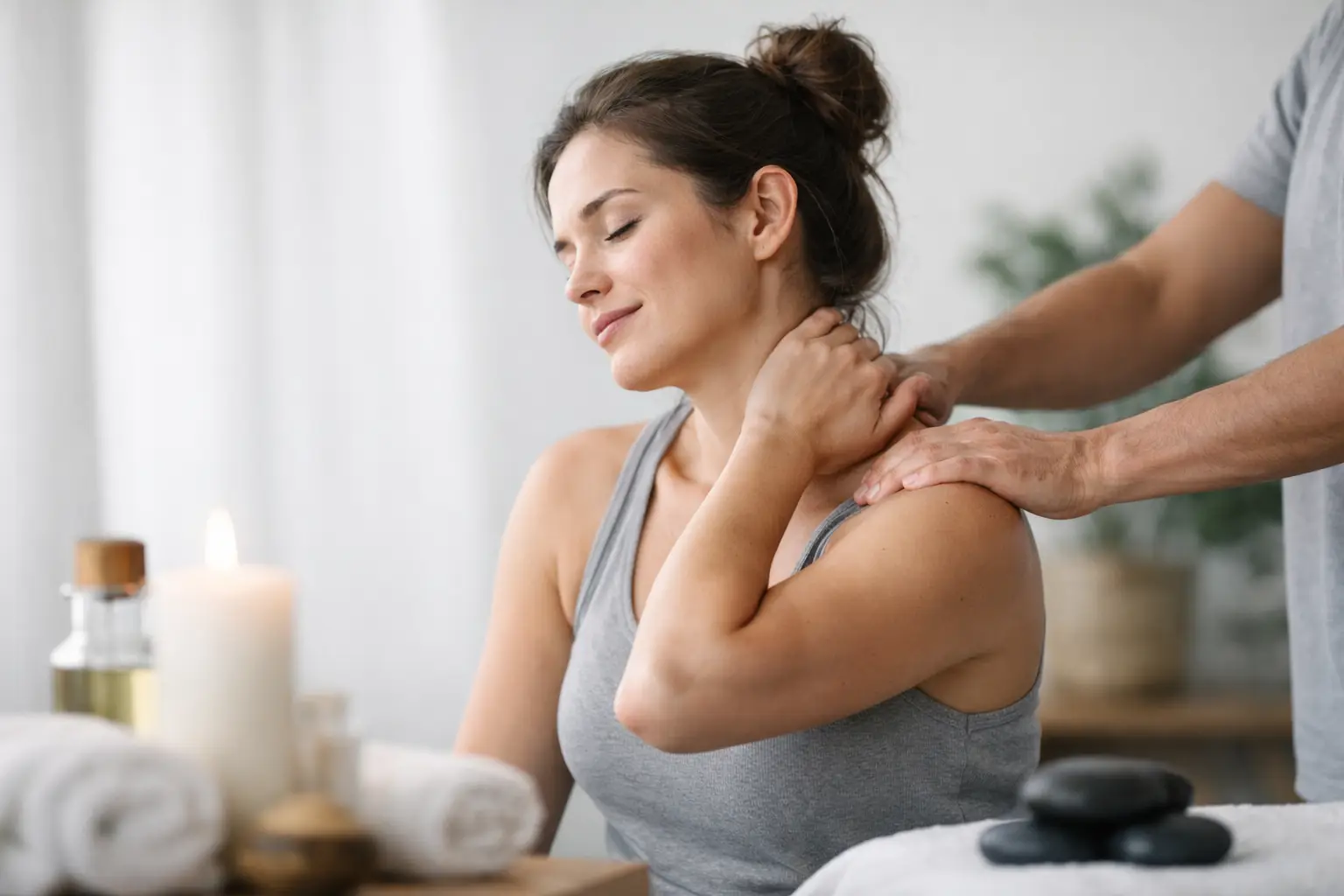
Muscle Tension Relief That Actually Helps
You feel it first in the neck, shoulders, lower back, or calves. By the end of a long shift, a busy travel day, or hours on your feet, your body starts asking for muscle tension relief in a very clear way. Tight muscles are not just annoying. They can affect sleep, focus, mood, and how easily you move through the day.
For many people, the problem is not one big injury. It is daily strain that keeps building. Standing too long, lifting, driving, desk work, stress, poor sleep, and dehydration can all leave muscles feeling hard, sore, and heavy. When that tension stays for days or weeks, simple tasks can start feeling harder than they should.
What muscle tension relief really means
Muscle tension relief is about reducing tightness, easing soreness, and helping the body return to a more comfortable state. Sometimes the goal is quick comfort after a hard day. Other times, it is about dealing with repeated stiffness that keeps coming back in the same spots.
That is why relief looks different from person to person. One person may need firm pressure in the upper back. Another may need gentle work on the legs and lower back. Some people respond well to oil massage for smooth pressure and relaxation, while others prefer cream massage or a more traditional style with focused bodywork.
The main point is simple. Real relief should help your muscles feel looser, your body feel lighter, and your mind feel calmer.
Why muscles get tight in the first place
Tight muscles usually happen because the body is working harder than it gets credit for. Repetitive movement, poor posture, physical labor, gym fatigue, stress, and long periods without rest all play a role. Even emotional stress can show up physically in the shoulders, jaw, and neck.
Sometimes tension is caused by overuse. This is common in workers who lift, bend, push, or stand all day. Sometimes it comes from underuse, especially after sitting too long at a desk or in a car. In both cases, muscles can start protecting the area by staying tense.
Hydration and sleep matter too. If the body is tired, recovery is slower. If you are not drinking enough water, muscles may feel more prone to cramping and stiffness. None of this means every ache is serious, but it does explain why tension can feel stubborn.
The fastest ways to get muscle tension relief
If you need comfort now, a few methods usually help more than trying to ignore the problem. Heat is one of the simplest options. A warm shower, heating pad, or hot towel can help muscles soften and feel less guarded. This works especially well for the neck, shoulders, and lower back.
Gentle stretching can also help, but there is a limit. If you stretch too aggressively, a tight muscle may tighten more. Slow movement is usually better than forcing range. Walking for a few minutes, rolling the shoulders, or lightly stretching the calves and hips can bring relief without making the area angry.
Massage is often one of the most effective choices because it combines pressure, movement, and relaxation at the same time. A skilled therapist can find where the tightness is coming from and work on the exact areas that need attention. For many people, this gives faster and more noticeable relief than trying random self-care methods at home.
When massage helps most
Massage works best when the pain is related to stress, fatigue, muscle overuse, body stiffness, or poor circulation from sitting or standing too long. It can help loosen tight areas, reduce that heavy feeling in the body, and improve how comfortably you move.
This is especially helpful for people with tired legs, stiff shoulders, sore back muscles, or full-body fatigue after work. If your body feels overworked rather than injured, therapist-led bodywork can make a real difference.
There is also the stress side. Many people carry tension without realizing it until a session starts and they notice how tight everything has become. Once the nervous system settles down, muscles often follow. That is why a good massage can help both physically and mentally.
Muscle tension relief through different massage styles
Not every massage feels the same, and that matters. Some people want soft, calming pressure. Others want deeper work in the shoulders, back, and legs. The right style depends on your pain points, pressure preference, and how your body reacts.
Oil massage is a strong option for people who want smooth, flowing strokes and overall relaxation. It can be great for general body fatigue, stress, and widespread tightness. Cream massage can feel similarly comfortable while allowing the therapist to focus on areas that need more detailed pressure.
Traditional styles such as Indian, Kerala, Russian, Thai, and Pakistani massage can offer different techniques and pressure levels. Some are more rhythmic, some focus on stretching, and some target stubborn knots with firmer work. This is where personalized treatment matters. One body does not respond the same way as another.
At a practical level, the best session is the one that matches your actual condition. If your lower back is tight from work, say that. If your calves are cramping after long standing hours, mention it. If you cannot tolerate deep pressure, be honest. A professional therapist can adjust the service for better results.
What to expect after a good session
A good massage should leave you feeling lighter, looser, and more comfortable in your body. Some people feel immediate relief. Others notice the biggest change a few hours later, once the muscles fully settle. It is normal to feel sleepy, deeply relaxed, or even slightly tender in areas that were very tight.
Drinking water after the session is a smart move, and light movement can help maintain the effect. Try not to go straight back into the same stressful posture if you can avoid it. If your shoulders always tighten during computer work or your back gets stiff from long driving hours, a small change in your routine can help the relief last longer.
For recurring tension, one session may help a lot, but regular care often works better than waiting until the pain becomes severe. It depends on your workload, stress level, and how often the tightness returns.
When muscle tension relief needs more than home care
There are times when massage and basic self-care may not be enough. If the pain is sharp, sudden, or linked to an injury, the approach should be more careful. Numbness, major swelling, weakness, fever, or pain that keeps getting worse should not be ignored.
The same goes for tension that never changes no matter what you do. Sometimes what feels like muscle tightness is connected to something else. In those cases, getting proper medical advice makes sense first.
But for everyday tightness from work, stress, fatigue, and repeated body strain, professional massage remains one of the most practical ways to feel better fast. It is simple, direct, and focused on results people can actually feel.
Choosing the right place for muscle tension relief
When you are tired and sore, you do not want guesswork. You want professional therapists, a clean and comfortable setting, clear service options, and pressure that fits your comfort level. That is what makes the experience worth booking.
Affordability matters too. Relief should not feel out of reach, especially for people dealing with regular body fatigue. A good spa experience is not only about luxury. For many customers, it is about dependable care, flexible hours, and a therapist who listens.
That is why places like Salma Spa Ajman appeal to working people, travelers, and local residents who want straightforward service without unnecessary fuss. When the goal is to feel better today, convenience and therapist skill matter just as much as atmosphere.
Making relief last longer
You do not need a complicated routine to keep tension from building so quickly. Small habits help. Stretch a little after work. Drink more water. Change position more often if you sit for long hours. If your job is physical, give your muscles proper recovery instead of waiting until the body feels locked up.
Most of all, pay attention early. Mild tightness is easier to handle than deep, stubborn tension that has been ignored for weeks. If your body keeps asking for rest, pressure, and release, listen before discomfort turns into a bigger problem.
Muscle tension relief is not about chasing perfection. It is about feeling normal again – easier movement, better comfort, and a body that does not feel tired all the time. When your muscles finally let go, the whole day feels different.