
salma spa ajman

Your cart

No products in the cart.

Our Services.

we are group of spa have many professional therapist and very good services. We are confident we can make you happy .

Oil Massage

Oil Massage

As the most popular massage spa in Ajman, Salma Spa is committed to delivering the most enjoyable spa experience in UAE with our signature oil and cream massage. We use an exotic mix of stimulating oils and choicest creams for this massage.

Book now
AED 100
Massage Services

Massage Services

We take immense pride in our team of professionally certified therapists, each skilled in a variety of massage techniques. Whether you're looking for a traditional Indian massage, a soothing Kerala massage, an invigorating Russian massage, a therapeutic Thai massage, or a relaxing Pakistani massage, our experts ensure every session is conducted with care and precision. Friendly and approachable, our therapists encourage open communication and are happy to adapt techniques to suit your preferences, guaranteeing a comfortable and satisfying experience.

Book now
AED 100 +
Sensational Massage

Sensational Massage

we believe every client deserves a personalized and unmatched experience. Each session is customized to address individual needs, ensuring you leave feeling refreshed, revitalized, and stress-free. Our mission is to combine the best massage techniques with a warm, inviting atmosphere to make your time with us truly unforgettable.

Book now
AED 100
Professional Services

Professional Services

Open 24 hours, we offer a wide range of massage services to suit your needs, ensuring you experience pure bliss. From relieving stress to solving physical discomfort, our expert therapists are here to provide the care and relaxation you deserve. Ready for the ultimate massage experience? Book your appointment today and let us transform your day into a journey of relaxation and rejuvenation.

Book now
AED 100
Kerala Massage for Relaxation That Works

Kerala Massage for Relaxation That Works

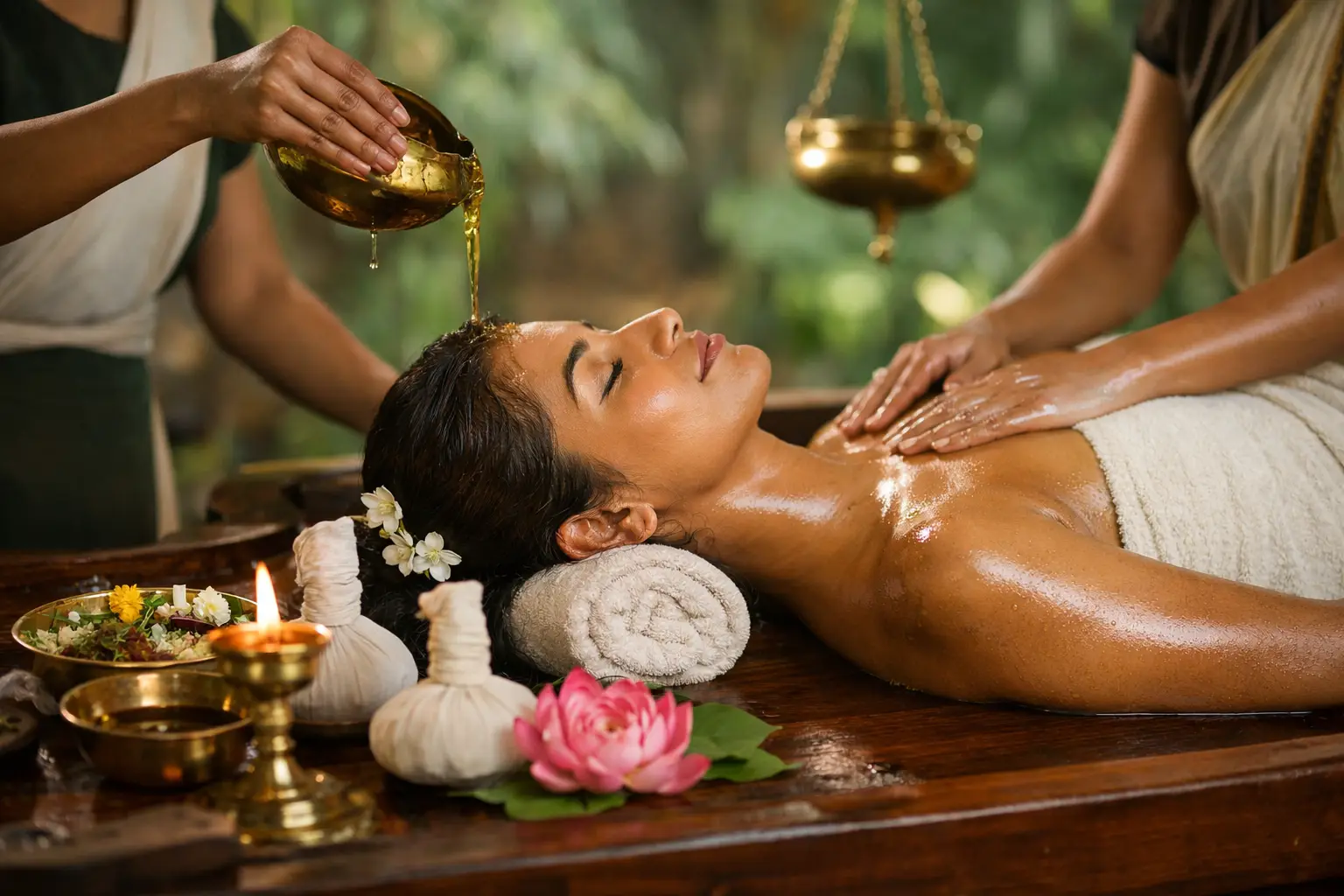
A long workday sits in the body. It shows up in stiff shoulders, a heavy back, tired legs, and a mind that does not switch off even when you are finally ready to rest. That is where kerala massage for relaxation makes a real difference. It is not just about feeling good for one hour. It is about helping the body calm down, release tension, and feel lighter in a way you notice right away.

For many people, relaxation is not a luxury. It is something they need to keep going. If your job keeps you on your feet, if you sit too long, if you drive for hours, or if stress follows you home, a massage that focuses on relief and comfort can help more than you expect. Kerala massage is one of the best choices when you want a traditional style that feels soothing, steady, and deeply restorative.

Why Kerala massage for relaxation feels different

Kerala massage is known for its use of warm oil, flowing hand movements, and a style that works on both the muscles and the nervous system. The pressure can be adjusted, but the overall experience usually feels smooth and calming rather than rushed or harsh. That matters when your main goal is to rest, reset, and let your body stop holding tension.

Some massages are better for intense muscle work. Some are better for stretching. Kerala massage for relaxation stands out because it brings together comfort and effectiveness. The oil helps the hands move evenly across the body, which creates a softer and more complete feeling. Instead of short, choppy pressure, you get long, connected strokes that help circulation and support full-body ease.

This is also why many clients choose it when they feel generally tired rather than dealing with one single pain point. If your whole body feels worn down, this style can feel more suitable than a treatment that focuses only on one area.

What happens during the massage

The session usually begins with a quick understanding of what your body needs. Some clients want gentle relaxation. Others want medium pressure on the back, shoulders, or legs while still keeping the session peaceful overall. A good therapist does not treat every body the same. That personal adjustment is a big part of getting the result you want.

Warm oil is then used on the body. This helps reduce friction and creates a smoother, more comforting touch. The therapist uses controlled movements across major muscle groups, often paying close attention to places where stress builds up most, such as the neck, shoulders, lower back, arms, and calves.

The pace is important. Kerala massage is not supposed to feel rushed. The steady rhythm helps the body settle. Many people notice that after the first few minutes, their breathing slows down and the tight feeling in the body starts to ease. That is often when real relaxation begins.

Who benefits most from Kerala massage for relaxation

This massage works well for people with everyday fatigue. If you lift, walk, stand, drive, type, or deal with constant work pressure, your body collects strain throughout the day. You may not always call it pain, but you feel it. The body becomes heavy, tight, and irritable. Kerala massage helps reduce that load.

It is also a strong option if you have trouble switching off mentally. Stress does not stay in the mind alone. It settles into the shoulders, jaw, back, and sleep pattern. A soothing oil massage can help signal to the body that it is safe to let go.

That said, pressure should always match the person. If you are extremely sensitive, ask for a gentle session. If you have stubborn muscle tightness, a firmer approach may be better. Relaxation is personal. The best session is the one that fits your condition, not the one that sounds strongest.

The role of oil in deep comfort

A big reason people remember this massage is the effect of the oil. Warm oil changes the feeling of the treatment. It adds comfort, reduces dryness on the skin, and helps create a more grounded, calming experience. For clients who feel overworked and physically drained, this detail matters.

Oil massage also encourages the therapist to work in longer patterns across the body. That can make the session feel more complete and less mechanical. Instead of isolated pressure in one spot, the body experiences a connected flow. For relaxation, that often works better.

If you do not like oily treatments, this may not be your first choice. Some people prefer dry techniques or stretching-based sessions. But if your goal is to feel soothed, loosened, and mentally quieter, the oil-based approach is one of the main advantages of Kerala massage.

Kerala massage vs other relaxation styles

Many clients ask which massage is best when they simply want to feel better fast. The honest answer is that it depends on what kind of tension you carry.

If you want stretching and joint movement, Thai massage may suit you more. If you want targeted pressure on knots, another style may be more direct. But if you want a balanced treatment that feels traditional, calming, and full-body from start to finish, Kerala massage for relaxation is often the better option.

It is especially helpful when your stress is spread everywhere. Maybe your neck is tight, but so are your legs. Maybe your lower back hurts, but your bigger problem is full-body fatigue. In that case, a massage that works across the entire body can bring more satisfaction than one that focuses too narrowly.

What to expect after the session

Most people feel lighter, calmer, and less stiff after a good Kerala massage. The body often feels warmer and more mobile. Some clients notice immediate improvement in shoulder tightness or leg fatigue. Others mainly feel mentally refreshed, which can be just as valuable.

You may also feel sleepy afterward, especially if your body has been carrying a lot of stress. That is normal. Relaxation sometimes shows up as drowsiness because the nervous system is finally slowing down.

Results also depend on timing and consistency. One session can bring noticeable relief, but regular massage usually gives better long-term comfort. If your job keeps putting pressure back into the body every week, occasional care may help, but steady care often helps more.

Choosing the right place for Kerala massage for relaxation

Technique matters, but so does the setting. A relaxing massage is not only about the hands of the therapist. It is also about whether you feel comfortable, respected, and able to rest during the session. Friendly staff, clean space, and professional service all make a difference.

This is why many clients look for a place that offers both skill and convenience. If a massage center is easy to access, open when you actually need it, and clear about pricing, it removes stress before the session even starts. That practical side matters for busy people.

At Salma Spa Ajman, the focus is simple – affordable relaxation, professional therapists, and service that fits real schedules. For clients who want dependable care without high prices or unnecessary complications, that kind of approach makes booking easier and more comfortable.

When to book this massage

There is no perfect day to take care of your body. The best time is usually when you notice the signs are building up. If your sleep is getting worse, your back feels constantly tight, your legs stay heavy after work, or your mood is short because your body is worn out, that is a good time to book.

Some clients come late at night after work. Others prefer a daytime session on a day off. What matters most is choosing a time when you can let yourself relax instead of rushing straight back into stress.

If you are new to this style, start with a session focused on comfort rather than very strong pressure. Once you know how your body responds, you can ask for small adjustments next time. Good massage is not about proving how much pressure you can handle. It is about getting the right result.

Relaxation should feel simple, not complicated. When your body is asking for relief, listening early is always better than waiting until the stress turns into pain.
First Spa Visit Review: What to Expect

First Spa Visit Review: What to Expect

Walking into a spa for the first time can feel a little awkward. That is why a honest first spa visit review matters so much. Most people are not worried about luxury. They want to know one thing – will this help me relax, reduce body pain, and feel worth the money?

For most first-time guests, the answer depends on three simple things: how easy the booking is, how comfortable the staff make you feel, and whether the treatment matches what your body actually needs. If you are dealing with work stress, travel fatigue, sore muscles, or just a tired mind, a good spa visit should feel practical, not confusing.

First spa visit review – the real experience

A lot of people expect a spa to feel formal or expensive. In reality, a good local spa should feel welcoming from the first minute. You should be greeted clearly, shown your options, and guided without pressure. If you are a first-time customer, this matters more than fancy decoration.

The best experience starts before you even arrive. A good spa should make booking easy, explain prices clearly, and tell you what services are available. If the staff sounds organized and respectful on the phone or in person, that is already a strong sign. Many first-time visitors feel more relaxed when they know the massage type, session length, and cost before the treatment begins.

Once inside, the first impression usually comes down to cleanliness, privacy, and attitude. A clean room, fresh towels, and a calm setup make a big difference. Friendly staff also matter. Some guests are shy during a first visit, so a simple and respectful approach helps them settle in faster.

What first-time spa guests usually worry about

Most people do not ask because they feel embarrassed, but the worries are common. What should I wear? Will it be painful? What if I do not know which massage to choose? Will the therapist understand what I need?

These are normal questions. A professional spa should answer them without making you feel uncomfortable. You should be able to say if you want light pressure, medium pressure, or deeper work on certain areas. If your neck is stiff, your lower back is sore, or your legs feel heavy after long work hours, say it clearly. A therapist can only customize the session if they know what you are dealing with.

Your first visit is not about pretending to know spa etiquette. It is about getting relief. Good service means the staff explains the process in simple language and adjusts the treatment to your comfort level.

How to choose the right massage on your first visit

This is where many first-timers get stuck. A long menu can sound impressive, but too many options can also be confusing. The easiest way to choose is to think about your body, not the name of the massage.

If you feel general tiredness and want full-body relaxation, an oil massage is usually a safe first choice. It tends to feel smooth, calming, and beginner-friendly. If your skin feels dry and you want a softer touch, a cream massage may feel more comfortable. If you have stronger body tension from labor work, travel, or long standing hours, a deeper therapist-led bodywork style may suit you better.

Some guests are curious about Indian, Kerala, Russian, Thai, or Pakistani massage styles. That can be a good thing, but expectations should stay practical. Different styles may focus on pressure, stretching, rhythm, or muscle release in different ways. The best option depends on how much pressure you like and where your body holds tension. There is no single massage that works for everyone.

A first-time guest often does best by telling the therapist, “I want relaxation,” or “I want relief from back and shoulder pain.” That gives a more useful starting point than choosing a service just because the name sounds popular.

What happens during the appointment

A typical first session is straightforward. After check-in, you may be asked a few quick questions about pain areas, pressure preference, and whether you want a full-body massage or focus on certain muscles. This part should be simple, not complicated.

You will then be shown to a treatment room and given privacy to get ready. If you are new to this, do not overthink it. The staff should guide you properly. Professional therapists know how to keep the experience respectful and comfortable.

During the massage, communication matters. If the pressure is too strong, say so. If you want extra attention on your shoulders, back, legs, or feet, mention it. A lot of first-time visitors stay quiet because they think they should just accept the session as it is. That usually leads to a weaker experience. The best results come when the therapist knows what your body needs.

After the session, most people notice one of two things right away. Either they feel deeply relaxed and sleepy, or they feel lighter and looser in the muscles. Both are normal. If your body has a lot of tightness, some areas may feel slightly tender afterward, especially after a stronger massage. That does not always mean the treatment was bad. It depends on the pressure used and your body condition before the session.

A practical first spa visit review should judge these things

If you are trying to decide whether the visit was worth it, focus on practical points. Was the place clean? Were the staff respectful? Did the therapist listen? Was the pressure adjusted properly? Did your body feel better after the session? Was the price fair for the service?

This matters more than fancy language or luxury branding. For many customers, especially people with physically demanding jobs or long working hours, value is a big part of the experience. Affordable service with real relief often matters more than decoration.

That is one reason many local customers prefer straightforward spas that focus on comfort, therapist skill, and flexible timing. If a spa is open late or even 24 hours, that can be a huge benefit for people whose schedules do not fit standard business hours. Convenience is not a small detail. For many guests, it is the reason they finally book.

First spa visit review – what makes it good or disappointing

A good first visit usually feels easy from start to finish. Booking is simple. Prices are clear. The room is clean. The therapist is professional. The treatment matches your needs. You leave feeling calmer, lighter, or less sore than when you came in.

A disappointing visit usually has warning signs. Poor communication, unclear pricing, rushed service, or a therapist who does not listen can ruin the experience quickly. Even a nice-looking place can feel frustrating if the service is not personal. First-time guests especially need reassurance and clear guidance.

That is why practical service matters so much. A spa should not make your first visit feel like a test. It should make you feel comfortable enough to return.

For guests who want simple value, a place like Salma Spa Ajman appeals because the offer is clear: affordable pricing, professional therapists, multiple massage styles, and service built around customer comfort. That kind of clarity helps first-timers relax before the massage even starts.

Is a first spa visit worth it?

For most people, yes – if they choose based on comfort, professionalism, and actual body needs. A first visit will not solve every problem in one hour. If you have long-term tension, stress, or body pain, one session may help a lot, but regular care often works better than a one-time appointment.

Still, even one good massage can reset your mood, ease tight muscles, and help you sleep better that night. That is a real benefit, especially when stress and fatigue have been building for days or weeks.

If you are still unsure, keep your first booking simple. Choose a session length that feels comfortable for your budget, ask for a beginner-friendly massage, and be honest about what you want. You do not need spa experience to enjoy a good treatment. You just need a place that treats you well, listens carefully, and delivers the relief you came for.

Your first spa visit should not feel complicated. It should feel like one smart hour you finally gave back to yourself.

How to Prepare for Massage the Right Way

How to Prepare for Massage the Right Way

A good massage starts before you lie down on the table. If you are wondering how to prepare for massage, the goal is simple – come in comfortable, clean, relaxed, and ready to tell your therapist what your body needs.

That does not mean you need a big routine or special products. In most cases, a better session comes from a few practical choices. Eat light, arrive on time, wear easy clothes, and be clear about pain, stress, or tight areas. These small steps help your therapist give you a smoother, more effective treatment from the first minute.

How to prepare for massage before you leave home

The best preparation starts with timing. Try not to rush in straight from a stressful call, a hard workout, or a heavy meal. Give yourself a little space before your appointment so your body can settle down. Even 15 to 30 minutes makes a difference.

Food matters more than many people expect. It is better to avoid a large, greasy, or very spicy meal right before your massage. Lying face down with a full stomach is not comfortable. A light meal or snack is usually the better choice, especially if your session is long.

Water also helps. You do not need to force yourself to drink too much, but coming in dehydrated can leave your muscles feeling tighter and more sensitive. Drink a normal amount of water before your appointment so you feel comfortable, not bloated.

A quick shower is always a smart idea. It helps you feel fresh and relaxed, and it makes the session more comfortable for both you and the therapist. If you are coming after work, travel, or outdoor activity, cleaning up first is even better.

Clothing should be simple. Choose loose, comfortable clothes that are easy to change out of and back into. Tight jeans, heavy belts, and complicated outfits can make the start and end of the session feel more stressful than necessary.

What to avoid before a massage

Some habits can make a massage less enjoyable. Alcohol is one of them. Even a small amount can affect how your body feels and responds, and it can leave you more dehydrated. It is better to skip it before your appointment.

Very intense exercise right before a massage is another thing to think about. Some people like a massage after physical work or training, and that can help. But if your muscles are already overworked, very aggressive pressure may not feel good. In that case, tell your therapist so they can adjust the style and pressure.

Try not to load your schedule too tightly. If you book a massage and then plan to race immediately to another meeting, you may spend the whole session thinking about the clock. A massage works best when your mind is not under pressure.

Be honest about pain, injuries, and pressure

One of the biggest parts of how to prepare for massage is knowing what to say before the treatment begins. You do not need medical language. Just explain what feels wrong.

If your lower back is tight, say that. If your neck hurts when you turn to one side, mention it. If your legs are tired from long standing hours, tell the therapist. If you have an old injury, recent surgery, fever, skin irritation, or any health condition that could affect treatment, speak up clearly.

This is especially important because not every massage should feel the same. A person with desk-job stiffness may need different work than someone who does physical labor all day. A traveler with swollen feet may want relief in the legs and shoulders. Someone under high stress may prefer a calming oil massage instead of very strong pressure.

Pressure is personal too. Strong is not always better. Some customers think a painful massage means it is working, but that is not always true. Good therapy should match your body, not fight it. If you like medium pressure, ask for it. If you want deep work in one area and gentle work in another, say that before the session starts.

Arrive early and settle your mind

Getting there a bit early helps more than most people realize. When you arrive rushed, breathing fast, checking your phone, and thinking about traffic, your body stays tense. Even the best therapist has to spend more time helping you come down from that stress.

If possible, arrive a few minutes early, sit down, and take a breath. Put your phone on silent. Let yourself switch from work mode to rest mode. This is a simple step, but it can improve the whole experience.

If you are visiting a place like Salma Spa Ajman for a late-night or after-work session, this matters even more. Many customers come in carrying a full day in their shoulders and back. A calm arrival gives your treatment a better start.

Personal comfort matters more than perfection

Some people feel nervous before their first massage. That is normal. They worry about what to wear, how to lie down, whether to talk, or whether they need to look a certain way. The truth is much simpler. A professional therapist is there to help you feel comfortable, not judged.

You do not need to prepare like it is a formal event. Just come clean, respectful, and ready to communicate. If you prefer quiet, that is fine. If you need a moment to settle in, that is fine too. If the room feels too cool, the face cradle feels uncomfortable, or the pressure is too much, say it.

Massage should feel supportive, not awkward. The more clearly you speak, the easier it is for the therapist to give you a treatment that fits your needs.

Choosing the right massage affects how you prepare

Not every session needs the same preparation. If you are booking a relaxing oil or cream massage, the goal is often stress relief, smoother body movement, and overall comfort. In that case, coming in rested and ready to relax is the main thing.

If you are choosing a stronger style or a more focused bodywork session, it helps to mention your pain points in more detail. For example, if you want Thai stretching, your therapist may need to know about stiffness, mobility limits, or joint pain. If you are booking a traditional style such as Indian, Kerala, Russian, or Pakistani massage, your comfort with pressure, oil, and pace can shape the session.

This is where practical communication matters. The more your therapist understands your goal, the better they can customize the service. Some people want full-body relaxation. Others want targeted relief in the back, legs, neck, or shoulders. Both are fine, but the session should match the reason you booked it.

What to do right before the session starts

Use the restroom if you need to. Remove jewelry, watches, and anything bulky. Take a final moment to think about the one or two things you want most from the appointment. Better sleep tonight? Less shoulder tension? Relief after standing all day? Tell your therapist directly.

Try not to over-explain. Clear and simple is enough. Saying, “My neck and upper back are very tight, and I want medium pressure” is more useful than a long story that never gets to the point.

Then let yourself relax into the process. You do not need to perform relaxation perfectly. Your only job is to breathe, stay comfortable, and speak up if something needs adjusting.

Aftercare starts with preparation

A good massage does not end the second you get off the table. What you do after matters too, and part of preparation is planning for that. If possible, avoid going straight into heavy physical work right after your session. Give your body some time to enjoy the result.

Drink water, eat normally, and pay attention to how you feel. Some people feel light and energized. Others feel sleepy and deeply calm. If you had strong pressure on tight muscles, mild soreness can happen. That does not always mean something is wrong. But sharp pain or ongoing discomfort should be mentioned if you book again.

This is also why it helps not to schedule your massage at the worst possible moment in your day. A little breathing room afterward lets the benefits stay with you longer.

The simple answer to how to prepare for massage

Preparing well is not complicated. Shower if you can, eat light, wear comfortable clothes, come a little early, and be honest about what hurts and what feels good. That is enough to make your session easier, smoother, and more satisfying.

When massage is done right, it does more than pass the time. It helps tired muscles loosen up, gives the mind a break, and leaves you feeling more like yourself again. A little preparation before you arrive can turn a decent session into real relief.