
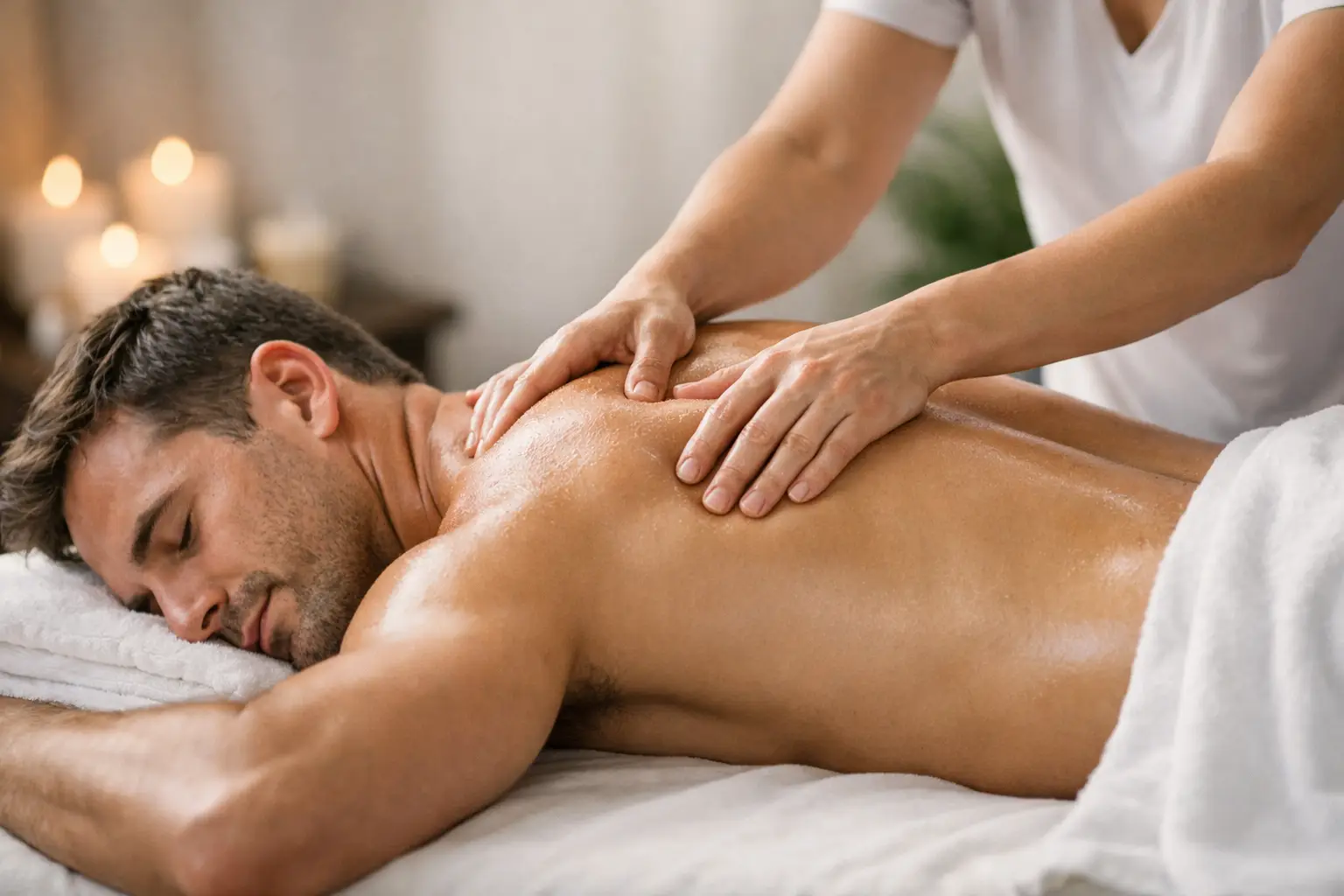
Best Massage for Back Tension Explained
Back tension usually starts small – a stiff shoulder after work, a tight lower back after driving, or that heavy feeling between the shoulder blades that does not leave. Then it builds. If you are searching for the best massage for back tension, the right answer depends on where the tightness sits, how strong the pain feels, and whether you want gentle relief or deeper pressure that works into stubborn knots.
A lot of people ask for one “best” massage as if every back problem is the same. It is not. Office workers often carry tension in the neck and upper back. People who stand all day may feel it in the lower back and hips. Travelers and shift workers often have a full-body tightness that needs more than one quick rub. The good news is that massage can help fast when the technique matches the problem.
What is the best massage for back tension?
For general back tightness, a deep tissue style is often the best massage for back tension because it targets knots, muscle bands, and pressure points that lighter massage may miss. But deeper is not always better. Some people come in already sore, stressed, and sensitive to pressure. In that case, an oil massage or cream massage with steady therapist-led pressure can relax the muscles first and reduce guarding, which makes the session more effective.
That is why the best choice is often the massage that your body can actually respond to on that day. A person with hard muscle knots from physical work may benefit from stronger pressure. A person with stress tension and poor sleep may get better results from a smoother, calming treatment that lets the back release gradually. Good therapists do not force one style on everyone. They adjust.
Why back tension feels worse than it should
Back tension is not only about muscles. It is also about repetition, posture, stress, and fatigue. Long hours at a desk, lifting, bending, driving, or sleeping in a bad position can keep the back in a constant state of tightness. When that happens, the muscles stop feeling flexible and start feeling protective.
This is why many people say, “My back feels heavy,” or “My shoulders are always up.” The body is holding tension even when you are trying to rest. Massage helps by improving circulation, warming the tissue, and giving those tight areas a chance to soften. It can also help you notice where you are holding stress without realizing it.
Still, massage is not magic. If your back tension is coming from daily habits, one session may bring relief, but the tightness can return. That does not mean the massage failed. It means the body needs regular care, better movement, or both.
The massage styles that help most
Deep tissue massage is the first option many people think about, and for good reason. It works well for thick tension across the upper back, shoulder blade area, and lower back. The therapist uses slower, firmer pressure to work through layers of muscle. This can feel intense, but when done properly, it often brings real relief to long-standing tightness.
Thai massage can be a strong choice when back tension comes with stiffness. It combines pressure and stretching, so it is useful for people who feel tight not only in the back but also in the hips, legs, and shoulders. If your back tension gets worse because your whole body feels locked up, this style can help restore movement.
Oil massage is often underrated. People sometimes assume it is only for relaxation, but it can be very effective for back tension caused by stress, long work hours, or poor sleep. The smooth, continuous strokes help calm the nervous system while still allowing the therapist to focus on tense areas. For many clients, this is the style that makes them feel normal again.
Cream massage offers a similar benefit with a slightly different feel. Some clients prefer the texture and glide because it allows steady pressure without too much friction. It can be a smart option for people who want targeted work on the back but still want the session to feel comfortable from start to finish.
Traditional styles such as Indian, Kerala, Russian, and Pakistani massage can also be useful depending on pressure preference and therapist technique. The real value is not the label alone. It is how the therapist uses that method to match your body. Two people can ask for the same massage and need completely different pressure, pace, and focus areas.
Best massage for back tension by problem area
If your tension is in the neck and upper back, a massage that focuses on the shoulders, base of the neck, and shoulder blades usually works best. This is common in desk workers and people who use phones for long periods. Deep pressure may help, but only if the area is not already inflamed.
If your pain is across the middle back, the issue is often posture and muscle fatigue. A therapist who works slowly through the spine-side muscles and shoulder blade attachments can make a big difference. Many people do not realize how much tension sits in this area until it starts to release.
If your lower back feels tight, the answer may not be the lower back alone. Often the hips, glutes, and upper legs are involved too. A good massage session includes these connected areas. That is one reason a full-body approach often gives better results than treating one painful spot for the entire session.
How to choose the right pressure
A common mistake is asking for the hardest pressure possible. Strong pressure can help, but too much can make the muscles tighten up even more. The best session is not about proving how much pain you can handle. It is about getting the muscle to release.
If this is your first session or your back feels very sore, start with medium pressure and let the therapist adjust as your body responds. If you already know your body likes firm work, then a deeper massage may be right. The practical approach is simple: enough pressure to treat the tension, not so much that you leave feeling worse.
Communication matters here. Tell the therapist where the tension is strongest, whether the pain travels, and if certain spots are too sensitive. That helps the session become more customized and effective.
What to expect after a good back massage
You should feel lighter, looser, and less compressed. Some people feel immediate relief. Others notice the biggest change a few hours later once the body fully relaxes. Mild soreness can happen after deeper work, especially if the muscles were very tight to begin with.
Drink water, move gently, and avoid jumping straight back into heavy strain. If your back tension has been building for weeks or months, one session can help a lot, but a short series of treatments may give better lasting relief than waiting until the pain becomes severe again.
When massage may not be enough
There are times when back tension is not just tension. If you have sharp pain, numbness, tingling, weakness, or pain that shoots down the leg or arm, you may need medical evaluation first. Massage is excellent for muscular tightness, stress, and stiffness, but it is not the answer for every condition.
The smart move is to pay attention to how your body feels. If it is muscular, tight, tired, and overworked, massage is often a very good choice. If the pain feels alarming, sudden, or neurological, get checked properly.
A practical way to get better results
The best results usually come from a customized session rather than a fixed routine. A skilled therapist can combine calming strokes, focused pressure, and work on connected areas so the back does not tighten again as soon as you stand up. That is especially helpful for people with busy jobs, irregular schedules, or ongoing physical fatigue.
At Salma Spa Ajman, many clients look for simple, affordable relief without waiting for the problem to grow. That practical mindset makes sense. When your back is tight, sleep suffers, work feels harder, and your mood changes too. Getting the right massage at the right time can make the whole day feel easier.
If your back has been feeling heavy, stiff, or full of knots, do not wait for it to become unbearable. The best massage is the one that matches your body, your tension level, and the kind of relief you need right now.