salma spa ajman

Your cart

No products in the cart.

Body Massage for Fast Relief and Real Comfort

Body Massage for Fast Relief and Real Comfort

Long hours, body pain, poor sleep, and daily stress can build up fast. A good body massage is one of the simplest ways to feel better without making life more complicated. When the right therapist works on the areas that feel tight, heavy, or tired, the result is clear – less tension, more comfort, and a lighter body.

For many people, massage is not about luxury. It is about getting real relief after work, travel, exercise, or physical strain. Some clients want a calm hour to switch off. Others come in with stiff shoulders, lower back tightness, leg fatigue, or general body soreness and want practical help. That is why body massage stays popular – it meets people where they are and gives immediate value.

Why body massage feels so effective

The biggest reason people come back for massage is simple: they can feel the difference. Tight muscles soften. Circulation improves. The body feels less locked up. Even mental stress often drops when physical pressure is reduced.

A quality session also helps you slow down. Many people carry stress in the neck, shoulders, back, and legs without noticing how much it affects mood, sleep, and energy. Once those areas are treated by a skilled therapist, the body stops fighting itself so much. You may leave feeling calmer, looser, and more refreshed than when you walked in.

That said, not every massage should feel the same. Some clients need gentle relaxation. Others want deeper pressure for stubborn tension. The best results usually come from matching the massage style to your body condition, pain level, and comfort.

Choosing the right body massage for your needs

Not every client needs the same treatment, and that is a good thing. A personalized approach matters more than choosing whatever sounds fancy.

Oil massage for smooth, relaxing pressure

Oil massage is a favorite for clients who want full-body relaxation with steady, flowing movements. The oil helps the therapist work smoothly across the skin and muscles, which makes the session feel calming and comfortable. This is often a strong option if you feel generally tired, stressed, or mentally overloaded.

It also works well for people who want a balanced treatment – not too intense, not too light. If your body feels heavy after long workdays or long travel, oil massage can be a smart pick.

Cream massage for comfort and skin-friendly care

Cream massage is often chosen by clients who prefer a softer glide and a nourishing feel on the skin. It can be especially appealing when dryness or sensitivity is a concern. The pressure can still be adjusted, but the overall experience is usually very comfortable and soothing.

For some people, the difference between oil and cream comes down to personal preference. There is no single correct answer. If you are unsure, a professional therapist can help you choose based on what feels best for your body.

Thai massage for stretching and mobility

Thai massage can be helpful when your body feels stiff rather than simply sore. It often includes assisted stretching and pressure techniques that target movement and flexibility. If you sit for long hours or feel your hips, back, and shoulders are tight, this style may bring strong relief.

It is not always the best first choice for someone who wants only quiet relaxation. Thai techniques can feel more active. For the right client, though, that is exactly the benefit.

Indian, Kerala, Russian, and Pakistani massage styles

Different traditions bring different strengths. Some focus on rhythm and oil application. Some use stronger handwork. Some are better for deep fatigue and muscle heaviness. A multicultural menu matters because clients do not all respond to the same pressure or technique.

This is where experienced therapists make a real difference. Instead of offering one fixed routine, they can adjust the session around your body type, stress level, and comfort. That practical flexibility is what many clients want most.

What body massage can help with

A body massage is commonly booked for stress and relaxation, but that is only part of the story. Many clients also use massage to manage everyday body discomfort before it gets worse.

If your shoulders feel hard and raised, your lower back feels tight after standing, or your legs ache after work, massage can help reduce that built-up strain. It may also support better sleep, especially if your body stays tense even after you lie down at night. Many people notice that once the muscles calm down, the mind follows.

Massage can also help after travel. Flights, long drives, and unfamiliar sleeping arrangements often leave the body stiff and unsettled. A focused session can help you reset faster.

Still, it helps to be realistic. Massage is excellent for relief, relaxation, and body comfort, but it is not a replacement for medical treatment when pain is severe, sudden, or linked to injury. If something feels unusual or sharp, it is better to get proper medical advice first.

What to expect during a session

If you are booking for the first time, the process is usually simple. A therapist will ask what areas feel tense, what kind of pressure you prefer, and whether you want the session to focus more on relaxation or pain relief. That short conversation matters because even a strong massage can feel wrong if it ignores what your body actually needs.

During the session, pressure should feel effective but still manageable. Good massage does not mean suffering through pain. Some tenderness in tight areas is normal, especially in the shoulders, back, and legs, but you should always be able to speak up if the pressure feels too strong or too light.

Afterward, it is common to feel loose, calm, and slightly tired in a good way. Some clients want to rest. Others feel energized. Both responses are normal. Drinking water and giving your body a little time to settle can help you enjoy the result longer.

When to book a body massage

There is no perfect schedule for everyone. It depends on your work, stress level, and physical condition. Some people book when pain or fatigue becomes obvious. Others prefer regular sessions to stay ahead of tension.

If you work long shifts, do physical labor, travel often, or sit at a desk all day, waiting too long usually means your muscles become harder to release. In that case, more frequent sessions can make life easier. Even one well-timed appointment can change how you sleep, move, and feel the next day.

Late hours also matter for many clients. Stress and body pain do not always show up during office hours. That is why 24-hour availability is so useful. People want relief when they need it, not only when a schedule allows it.

Why affordability matters in massage care

Many people delay massage because they assume it will be expensive or only meant for luxury clients. That thinking keeps people uncomfortable longer than necessary. Practical massage service should be accessible, clear, and worth the price.

Affordable sessions make it easier for workers, residents, and travelers to get real help without overthinking the cost. When treatment starts at a simple entry point, more clients can come in for the stress relief and body comfort they need. Salma Spa Ajman is built around that idea – professional therapist-led service, friendly care, and straightforward pricing that makes booking easier.

Affordability also supports consistency. If massage helps your body but the price feels too high, you are less likely to return when tension builds up again. Reasonable pricing gives people a realistic way to care for themselves more often.

How to get the best result from your massage

The best sessions usually start with honesty. Tell the therapist where you feel pain, where you feel heavy, and whether you want deep work or a gentle relaxing session. If you have had a bad experience before, say so. If one leg is tighter than the other or your neck is especially sensitive, mention it.

It also helps to choose your massage style based on what your body needs today, not what you booked last time. Sometimes you need deep pressure. Sometimes you just need smooth relaxation and quiet care. There is no benefit in forcing the wrong style onto the wrong day.

A good therapist will not treat every client the same way. That personal attention is what turns a routine massage into real relief.

Body massage works best when it is simple, comfortable, and matched to your needs. If your body feels worn out, tight, or stressed, giving it proper care is not extra – it is a smart way to feel like yourself again.
Book Massage Appointment Online in Ajman

Book Massage Appointment Online in Ajman

Long day, sore back, tight shoulders, and no time to keep calling around – this is exactly why more people now book massage appointment online instead of waiting. When your body feels heavy and your mind feels crowded, fast booking matters. You want clear prices, real availability, and a therapist who knows how to help you relax without making the process complicated.

For many people in Ajman, convenience is not a bonus. It is the reason they book at all. Shift workers, office staff, drivers, travelers, and busy residents often need massage at unusual hours, after long workdays, or on short notice. Online booking makes that easier. You can check your options, choose your timing, and confirm your session without wasting energy.

Why book massage appointment online

The biggest reason is simple – it saves time. If you already know you need relief, you do not want a long process. Online booking helps you move from stress to action quickly. You can arrange your session while on a break, after work, or even late at night when body pain starts to build.

It also gives people more confidence. Some customers feel more comfortable choosing a service quietly on their phone instead of asking many questions in person. That matters, especially for first-time visitors. A clear booking process feels easier, more private, and more direct.

There is also less confusion. When services, timing, and basic pricing are clearly presented, customers know what to expect before they arrive. That helps avoid misunderstandings and makes the whole experience smoother from the start.

What people want when they book massage appointment online

Most customers are not looking for fancy language. They want to know four things: Is the place open? How much does it cost? What kind of massage is available? Can I get an appointment at the time I need?

That is why online booking works best when it stays practical. If a massage starts from AED 100, say it clearly. If the business is open 24 hours, that should be easy to see. If there are different styles like oil massage, cream massage, Thai massage, Kerala massage, Russian massage, Indian massage, or Pakistani massage, customers should be able to understand the options without guessing.

People also want to feel they are in good hands. Professional therapists, friendly service, and a comfortable setting matter just as much as price. A low price can attract attention, but people book again because they feel better after the session.

Choosing the right massage for your body

Booking online is easier when you know what kind of relief you need. Not every massage feels the same, and that is actually a good thing. Different body conditions need different pressure, technique, and focus.

Oil massage is a popular choice for full-body relaxation. It works well for dry muscles, general body fatigue, and anyone who wants a calming session after a hard day. The movement is usually smooth and steady, which makes it a strong option for stress relief.

Cream massage can feel more gentle on the skin while still helping with tension. Some people prefer it because of the texture and comfort. If your body feels tired but not extremely tight, this can be a comfortable option.

Thai massage is often chosen by people who want stretching along with pressure. If your body feels stiff, especially in the back, hips, or legs, this style may help. It can feel more active than oil massage, so it depends on whether you want deep relaxation or stronger bodywork.

Indian and Kerala massage styles are often selected by customers who want traditional techniques with a focus on circulation, body balance, and relaxation. Russian massage may suit those who prefer more focused muscle work. Pakistani massage can also appeal to customers looking for strong hand technique and practical stress relief. The best choice depends on your comfort level, pain points, and how much pressure you want.

Online booking is better when the service is clear

A good massage business does not make customers work hard to understand what is offered. If the menu is too vague, people hesitate. If the booking process is too slow, they leave. Direct service always converts better because it respects the customer’s time.

This is especially true for massage. Most bookings happen when someone already feels discomfort. Their neck hurts. Their legs are tired. Their stress level is high. In that moment, a simple booking path matters more than fancy branding.

That is why practical information is so important. Customers should be able to quickly see the type of massage, approximate starting price, availability, and whether trained therapists are providing the treatment. Friendly service also matters. Professional care should feel welcoming, not intimidating.

24-hour availability changes the booking decision

Many customers need massage outside standard hours. Some finish work very late. Some travel at odd times. Some only realize how much tension they are carrying when the day finally slows down. A spa that offers 24-hour booking support or round-the-clock appointments solves a real problem.

This is one of the biggest reasons people search online instead of waiting until morning. They want relief now, not tomorrow. If a place is available at any hour, that creates trust and convenience immediately.

It also helps customers who have unpredictable schedules. A person working split shifts or rotating hours may not be able to commit to daytime appointments. Being able to book at a time that suits their life makes massage more realistic, not just desirable.

Affordable massage matters more than people admit

A lot of customers want regular massage but assume it will be too expensive. Once they see an accessible entry price, booking becomes easier. Affordability removes hesitation.

That does not mean people want cheap service. They want value. There is a difference. They want to pay a fair price and still receive skilled hands, clean surroundings, and a therapist who listens to what their body needs.

This is where a straightforward offer works well. If treatment starts at AED 100, that can feel manageable for many customers who need real relief without turning massage into a luxury purchase. For workers, residents, and travelers watching their budget, this kind of pricing can be the reason they finally make time for self-care.

What builds trust before the appointment

When someone books online, trust has to happen before they walk through the door. That trust usually comes from clarity, professionalism, and consistency.

Customers want to know they will be treated with respect. They want trained therapists, not guesswork. They want the service they selected, the timing they requested, and a setting that feels comfortable. A business that communicates these points clearly has a much better chance of turning one booking into a repeat customer.

It also helps when the service feels personal. Not every customer wants the same pressure or same style. Some need help with shoulder tension. Others want full-body relaxation. Some are exhausted from physical work, while others are mentally stressed and need calm. Personalized treatment makes the massage feel worth it.

At Salma Spa Ajman, this practical approach matters because customers are often looking for immediate relief, flexible timing, and skilled therapists without high prices or unnecessary complications.

Before you confirm your massage online

Take one minute to think about what your body is asking for. If you want quiet relaxation, choose a soothing style. If your muscles feel tight and heavy, look for a stronger treatment. If you are booking late at night or after work, make sure the timing suits your schedule so you can enjoy the session instead of rushing through it.

It is also smart to be honest about pressure. Many people think stronger is always better, but that depends on the body. If you are new to massage, moderate pressure may be the better first choice. If you carry deep tension from labor-intensive work or long hours on your feet, a firmer session may feel more useful.

The best online booking is the one that gets you the right treatment, not just the fastest appointment. A little attention at the booking stage can lead to much better results once the session starts.

When your body is asking for rest, delaying it rarely helps. Book the time that works, choose the massage that fits, and give yourself a proper chance to feel lighter before the stress becomes harder to ignore.

Day Spa vs Night Spa: Which One Fits You?

Day Spa vs Night Spa: Which One Fits You?

A tired body does not always care what time it is. Some people want a massage after a long work shift in the afternoon. Others only feel free late at night, when the phone stops ringing and the day finally slows down. That is why the question of day spa vs night spa matters more than many people think. The best choice depends on your energy, your schedule, your stress level, and what kind of relief you need right now.

If you are booking a spa session for real results, not just for looks, timing can change the whole experience. A daytime appointment can help you reset and stay productive. A nighttime appointment can help you release deep tension and go home feeling lighter. Both can be excellent. The smart choice is the one that fits your body and your routine.

Day spa vs night spa: the main difference

The biggest difference between a day spa and a night spa is not only the hour on the clock. It is the purpose of the visit. A day spa session usually fits people who want to refresh, recover, and continue with the rest of their day. A night spa session usually fits people who want to switch off, settle their body, and end the day in a calmer state.

During the day, many customers come in with a practical goal. They may have neck tightness from office work, sore legs from standing, or general body fatigue from a busy morning. They want relief, but they also want to feel active afterward. In that case, a balanced massage with the right pressure can help without making them feel too sleepy.

At night, the mindset is often different. People are done with work, traffic, and daily responsibilities. They are not trying to return to meetings or errands. They want to let go. That makes evening and late-night appointments especially attractive for customers who carry heavy stress in their back, shoulders, and legs.

When a day spa session makes more sense

A daytime spa visit is a strong option if your schedule allows it. The body often responds well to massage earlier in the day because your muscles are already warming up through movement. If you have stiffness from sleeping in one position or from starting your workday tense, a morning or afternoon session can loosen you up before that tightness gets worse.

Day appointments also work well for people who want quick recovery without losing the rest of the day. Maybe you are a traveler with time between plans. Maybe you work shifts and need relief before the next one starts. Maybe you simply prefer to handle your self-care before the evening gets busy. In these cases, a day spa visit feels efficient and practical.

There is also a mental benefit. A good massage during the day can reset your mood. You may return to work, shopping, driving, or family time with less irritation and less body pressure. For some customers, that midday break is exactly what keeps the whole day from feeling heavy.

Still, daytime sessions are not perfect for everyone. If your day is packed, you may feel rushed before or after the treatment. That can reduce the relaxing effect. If you know you will check your phone immediately and run into more stress, then daytime relief may feel shorter than you hoped.

Best fit for day spa visits

Day spa sessions usually suit people who want a practical, active kind of relief. Office workers, travelers, busy parents, and anyone with a flexible afternoon often benefit from this timing. It also makes sense if you want oil massage, cream massage, or another bodywork style that leaves you refreshed rather than ready for bed.

Why many people prefer a night spa

Night spa visits have one clear advantage – your body and mind are often more ready to let go. By evening, the work is done or close to done. The pressure of the day has built up, and many people feel pain more clearly at this time. The shoulders get hard, the lower back starts complaining, and the legs feel heavy. That is when massage can feel especially satisfying.

A night session also removes the pressure to perform afterward. You do not need to go back to the office. You do not need to act energized for another round of tasks. You can simply enjoy the treatment, breathe, and give your body time to settle.

This is one reason 24-hour spa service is valuable. Not everyone lives on a simple nine-to-five schedule. In Ajman and across the UAE, many customers work late shifts, long shifts, split shifts, or physically demanding jobs. For them, nighttime is not a luxury. It is the only time they can get proper care.

Night appointments can be especially helpful if you struggle with sleep because of stress or muscle tightness. A professional therapist working on the back, neck, and legs with the right pressure can help your body feel calmer before rest. That does not mean every night massage will put you to sleep instantly, but it often helps reduce the restless, overworked feeling many people carry home.

Best fit for night spa visits

Night spa visits usually suit customers who want deep relaxation, post-work recovery, and freedom from time pressure. Laborers, service staff, late-shift workers, and people who only feel free after dark often get the most value from this option. If your main goal is to release built-up tension and end the day in comfort, nighttime is often the better choice.

How your massage style affects the choice

The day spa vs night spa decision also depends on the type of massage you book. Different techniques create different results.

If you choose a lighter oil massage or cream massage during the day, you may feel smooth, refreshed, and more comfortable without becoming too sleepy. This works well if you still have places to go. A moderate-pressure treatment can improve movement and reduce fatigue while keeping your energy balanced.

If you choose a stronger bodywork style at night, such as a deeper pressure session focused on stress points, it may feel more rewarding because you can go home and rest afterward. Thai, Kerala, Indian, Russian, and Pakistani massage styles may each create a different effect depending on the technique and therapist approach. Some are more stretching-based, some more pressure-based, and some more soothing. The right timing depends on how your body usually responds.

That is why personalized service matters. One person wants to feel fresh and active. Another wants heavy pressure to melt tension before sleep. There is no universal best time. There is only the right match for your body that day.

Price, convenience, and real-life routine

Many people think daytime is always easier and nighttime is always more relaxing. Real life is not that simple. Convenience can matter just as much as the spa atmosphere.

If a day appointment means missing work, rushing through traffic, and watching the clock, it may not feel relaxing at all. If a nighttime appointment means finally having time for yourself without interruption, then the night option may give you better value. On the other hand, if you are exhausted late at night and just want to go straight home, a daytime session may suit you better.

Affordable pricing also changes the decision. When massage is accessible, customers can choose based on need instead of waiting for a special occasion. A place like Salma Spa Ajman, with therapist-led service and 24-hour availability, makes that flexibility more realistic for customers who want relief at the time that actually works for them.

How to decide between day spa and night spa

Start with one simple question: what do you want to feel after the session?

If the answer is refreshed, loose, and ready to continue your day, book during the day. If the answer is calm, relieved, and finished with everything, book at night. Then think about your schedule honestly. A good appointment time is one that gives you mental space, not just an empty slot on the calendar.

Also think about your body pattern. Some people are more sensitive early in the day and prefer gentler pressure then. Others do not feel their full tension until evening and benefit more from nighttime treatment. If you have done both before, your own experience is the best guide.

There is nothing wrong with changing your choice depending on the week. A day spa visit might be ideal before a busy weekend. A night spa visit might be better after three stressful workdays in a row. Your body does not need the same thing every time.

The best spa timing is the one that makes it easiest for you to relax fully, receive proper care, and leave feeling better than when you arrived. If that happens at 2 p.m., great. If it happens at 11 p.m., that is just as valid. The right time is the time your body says yes.

How to Prepare for a Spa Visit Right

How to Prepare for a Spa Visit Right

A good massage can fix more than a tired back. It can help you breathe easier, sleep better, and feel like your body is finally not fighting you anymore. If you are wondering how to prepare spa visit plans without stress or confusion, the good news is that it is simple. A little planning before your appointment helps you feel comfortable from the moment you walk in.

Many people make spa visits harder than they need to be. They arrive too late, eat too much, forget to mention body pain, or come in with no idea what treatment suits them. None of this is a disaster, but it can reduce the benefit of your session. If your goal is real relaxation and good value for your money, preparation matters.

How to prepare spa visit before booking

The first step is choosing the right treatment for your body, not just the one that sounds nice. If you have muscle tightness from work, travel, or long hours standing, a stronger body massage may suit you better than a light relaxation session. If your skin feels dry or you want a smoother, more soothing touch, oil massage or cream massage may feel better.

This is also where honesty helps. If you have pain in your shoulders, neck, lower back, or legs, say it clearly when booking. A professional therapist can adjust pressure and technique, but only if they know what is bothering you. The same goes for recent injuries, surgery, fever, or skin sensitivity. A spa is for comfort, but comfort starts with the right information.

Timing matters too. Do not book your appointment at the exact moment your day becomes chaotic. Give yourself enough time to arrive calmly. If possible, avoid squeezing a massage between two stressful tasks. Your body relaxes better when your mind is not watching the clock every five minutes.

Choose the right time and arrive early

One of the easiest ways to improve your spa experience is to arrive 10 to 15 minutes early. This is not about formality. It gives you time to settle down, use the restroom, switch off your phone, and let your breathing slow down before the treatment starts.

If you rush in sweating, talking, and feeling tense, your body will carry that tension onto the table. Then part of your session gets spent simply calming your system down. A little extra time can make the full treatment more effective.

For many people, evening appointments feel best because the body can rest afterward. Others prefer daytime sessions when muscle tightness is strongest. It depends on your schedule and what you want from the visit. If you want deep relaxation and sleep, later can be better. If you want to feel refreshed and active after, daytime may suit you more.

What to eat and drink before your appointment

Do not go to the spa on a completely empty stomach, but do not arrive overly full either. A heavy meal right before a massage can leave you feeling uncomfortable, especially during bodywork that involves pressure on the back, shoulders, and legs. A light meal or snack 1 to 2 hours before your appointment is usually the better choice.

Hydration is just as important. Drink some water before your session, but not so much that you feel bloated. If you are dehydrated, your body may feel more tired after the massage. If you drink too much right before the appointment, you may spend half your session thinking about the restroom.

It is also smart to avoid too much caffeine or alcohol before a spa visit. Too much coffee can make it harder for your body to relax. Alcohol can affect circulation, hydration, and how your body responds to pressure. If your goal is relief, calm, and recovery, keep it simple before you come in.

What to wear to a spa visit

Comfort should guide your clothing choice. Wear something easy to remove and easy to put back on after the treatment. Tight jeans, complicated outfits, and anything restrictive can feel annoying when you are trying to stay relaxed.

After a massage, especially an oil or cream massage, many people prefer soft, loose clothes. Your body feels calmer, and your skin may still be absorbing products. Loose clothing also helps if your muscles feel softened and heavy in a good way.

You do not need to overthink appearance. A professional spa setting is focused on your comfort, privacy, and treatment results. Clean, simple, comfortable clothing is enough.

Personal hygiene and what not to do

A quick shower before your appointment is always a good idea. It helps you feel fresher and more comfortable, and it also makes the treatment experience better overall. This does not need to be complicated. Basic cleanliness is enough.

Try not to apply heavy perfume, thick body lotion, or strong hair products right before your session. Many massage treatments already use oils or creams, and strong scents can be unpleasant in a treatment room. Fresh and clean is better than overly scented.

If you have cuts, rashes, irritation, sunburn, or any skin issue, mention it before the session starts. Some treatments may need adjustment. This is not something to hide. A trained therapist would rather know in advance than accidentally work over a sensitive area.

How to prepare spa visit for the best massage results

The best massage sessions happen when you speak up clearly. That does not mean talking through the entire treatment. It means sharing the important things before it begins and mentioning anything that feels wrong during the massage.

Tell your therapist if you want light, medium, or strong pressure. Tell them where your body feels stiff. If you work long shifts, drive for hours, lift heavy items, or sit at a desk all day, say so. These details help the therapist focus on the areas that need attention most.

This is especially useful if you are choosing from different massage styles. Some people want gentle relaxation. Others want stronger pressure for body pain and deep muscle tension. There is no single best massage for everyone. It depends on your body, pain level, and what kind of relief you are looking for that day.

If you are visiting a place like Salma Spa Ajman, where different massage styles and therapist-led options are available, asking a few direct questions before you start can make a big difference. You will get a treatment that fits your body better instead of guessing.

During the session, keep it simple

Once the treatment starts, let yourself relax. You do not need to perform wellness. Just breathe normally and allow your body to soften. If the pressure is too strong, say so. If it is too light, say so. A good therapist wants your honest feedback.

Some clients stay quiet the whole time. Others prefer a little conversation at the beginning and then silence. Either is fine. What matters is that you feel at ease. The session is for your comfort, not for following some complicated spa rule.

Try not to tense your muscles or hold your breath when the therapist works on a sore area. That is common, especially if you carry a lot of stress. But the more you can breathe through the pressure, the more benefit you usually get.

What to do after your spa visit

Do not jump straight back into stress if you can help it. Give yourself a little time after the treatment. Drink water, walk slowly, and let your body settle. If your schedule allows, avoid heavy physical work immediately afterward, especially after a stronger massage.

Some people feel energized after a session. Others feel sleepy and deeply calm. Both are normal. It depends on the treatment, your body condition, and how much tension you were carrying before the visit.

If you had an oil or cream massage, you may want to give the skin a little time before showering, unless the spa gives different guidance. If the treatment was focused on pain or tight muscles, mild soreness can happen, especially if you had not had a massage in a long time. That usually passes.

The smartest thing you can do after a good session is pay attention to how your body feels. That helps you book the right treatment next time, choose the right pressure, and know what timing works best for you.

A spa visit should not feel complicated or intimidating. With a little preparation, it becomes exactly what it should be – simple, comfortable relief when your body needs care.

Can Massage Help Better Sleep? Yes, Often

Can Massage Help Better Sleep? Yes, Often

You know the feeling – your body is tired, but your mind is still running. You lie down, turn to one side, then the other, and sleep just does not come easily. If you have been asking, can massage help better sleep, the short answer is yes, it often can. For many people, massage helps the body slow down, eases muscle tightness, and creates the calm feeling that makes sleep come more naturally.

That does not mean one massage fixes every sleep problem. If your sleep trouble comes from medical issues, heavy caffeine use, anxiety, pain, shift work, or a bad sleep routine, massage is not magic. But it can be a very practical support. For people dealing with stress, physical fatigue, sore muscles, and mental overload, massage can make a real difference.

Can massage help better sleep by calming the body?

Yes, and this is one of the biggest reasons it works. A tense body does not rest well. Tight shoulders, back pain, leg soreness, and a heavy neck can keep you uncomfortable even when you are exhausted. Massage helps reduce that physical tension so your body feels safer, looser, and more ready to settle.

There is also the simple effect of human care and quiet attention. A professional massage session gives your nervous system a break from noise, work pressure, screens, and constant movement. When the body shifts out of stress mode, sleep usually becomes easier. Some people notice they fall asleep faster the same night. Others feel gradual improvement after regular sessions.

This matters a lot for people with demanding jobs, long standing hours, driving fatigue, travel stress, or physically tiring work. When your body carries the whole day into bed, massage can help you leave some of that weight behind.

Why massage may improve sleep quality

Better sleep is not only about falling asleep. It is also about staying asleep and waking up feeling less drained. Massage may help with that because it supports relaxation on more than one level.

First, it can reduce physical discomfort. If your lower back is aching or your calves are tight, you may wake up again and again without fully realizing why. Second, massage can quiet mental restlessness. Many people do not have a sleep problem only because they are not sleepy. They have a sleep problem because they cannot switch off.

A good massage session can create a strong transition between a busy day and nighttime rest. That transition is valuable. Your body gets the message that work is over, effort is done, and it is time to recover.

For some people, oil massage is especially helpful before sleep because the strokes are smooth and soothing. Others prefer firmer bodywork because they sleep better when deeper knots and stiffness are released. It depends on what is keeping you awake in the first place.

What kind of massage is best if you want better sleep?

There is no one perfect answer for everyone. The best massage for sleep depends on whether your main problem is stress, pain, body heaviness, or simple exhaustion.

If you feel mentally tired and emotionally overloaded, a relaxing full body massage with steady pressure is usually a strong choice. If your muscles are very tight from work, a treatment with more focused therapist pressure may help more. If your skin and muscles respond well to smooth gliding techniques, oil massage can be a comfortable option. If you want a lighter, more soothing feel, cream massage may also help the body unwind.

Traditional styles can also suit different needs. Some people like Thai-style stretching for stiffness and posture. Some prefer Kerala or Indian-inspired approaches for full body relaxation and calming touch. Others choose stronger methods when they carry deep tension in the shoulders, back, or legs. The right therapist will adjust pressure and style based on how your body feels that day.

That is the practical part many people miss. Better sleep does not come from choosing the fanciest massage. It comes from choosing the right massage for your actual stress and body condition.

Can massage help better sleep if stress is the main problem?

Very often, yes. Stress is one of the most common reasons people struggle with sleep. Your body may be in bed, but your system is still alert. The jaw is tight, breathing is shallow, the shoulders are raised, and the mind keeps replaying the day.

Massage helps by giving the body a direct signal to relax. The room is quiet. The hands of the therapist are steady. The muscles begin to release. Breathing slows down. This is why many people feel sleepy during or after a session. It is not laziness. It is relief.

If your sleep problem is mainly stress-related, evening massage can be especially helpful. It creates a clean pause before bed. You do not go straight from work, traffic, phone calls, and tension into trying to sleep. Instead, there is a reset in between.

That said, if stress is severe or ongoing, regular sessions usually work better than a one-time visit. Think of massage as support for your nervous system, not a one-night trick.

When massage helps most, and when it helps less

Massage tends to help most when poor sleep is connected to muscle tension, physical fatigue, emotional stress, travel tiredness, or general restlessness. It can also be useful for people who feel worn out but cannot properly switch off.

It may help less if your sleep trouble is mainly caused by untreated sleep apnea, serious depression, certain medications, heavy late-night eating, too much caffeine, or sleeping habits that are constantly irregular. In those cases, massage can still help you relax, but it may not solve the deeper issue by itself.

This is why honest expectations matter. A massage can be a very good part of a better sleep routine. It is not a replacement for medical care when medical care is needed.

How to get the best sleep benefits from a massage

Timing makes a difference. If sleep is your goal, a massage later in the day often works better than one done in the middle of a rushed schedule. You want enough time afterward to stay calm, drink water, avoid heavy stimulation, and let the relaxed feeling continue.

Pressure also matters. Some people sleep best after gentle to medium pressure because it is deeply calming. Others need firmer work first because pain and stiffness are the real problem. Too much pressure can leave a few people feeling too activated, especially if they are very sensitive or new to massage. That is why clear communication with the therapist is important.

Your environment after the session matters too. If you finish a massage and then go back to loud noise, nonstop scrolling, or a heavy meal, the sleep benefit may be weaker. A calm evening supports the result.

A practical option for busy people

For many adults, the biggest challenge is not understanding sleep. It is finding a realistic way to feel better fast. That is where massage stands out. It does not ask you to read ten wellness books or completely change your life overnight. It gives your body immediate care.

That is especially valuable for people working long shifts, dealing with body fatigue, or needing relaxation outside normal business hours. A professional massage can be simple, affordable, and effective when you need real relief, not complicated advice. At places like Salma Spa Ajman, the focus is exactly that – friendly service, skilled therapists, and practical massage options that help people relax and feel comfortable again.

If you have been struggling with restless nights, it may be worth looking at what your body has been carrying. Sometimes sleep does not improve because you need more effort. Sometimes it improves because you finally let the tension go.

Kerala Massage for Relaxation That Works

Kerala Massage for Relaxation That Works

A long workday sits in the body. It shows up in stiff shoulders, a heavy back, tired legs, and a mind that does not switch off even when you are finally ready to rest. That is where kerala massage for relaxation makes a real difference. It is not just about feeling good for one hour. It is about helping the body calm down, release tension, and feel lighter in a way you notice right away.

For many people, relaxation is not a luxury. It is something they need to keep going. If your job keeps you on your feet, if you sit too long, if you drive for hours, or if stress follows you home, a massage that focuses on relief and comfort can help more than you expect. Kerala massage is one of the best choices when you want a traditional style that feels soothing, steady, and deeply restorative.

Why Kerala massage for relaxation feels different

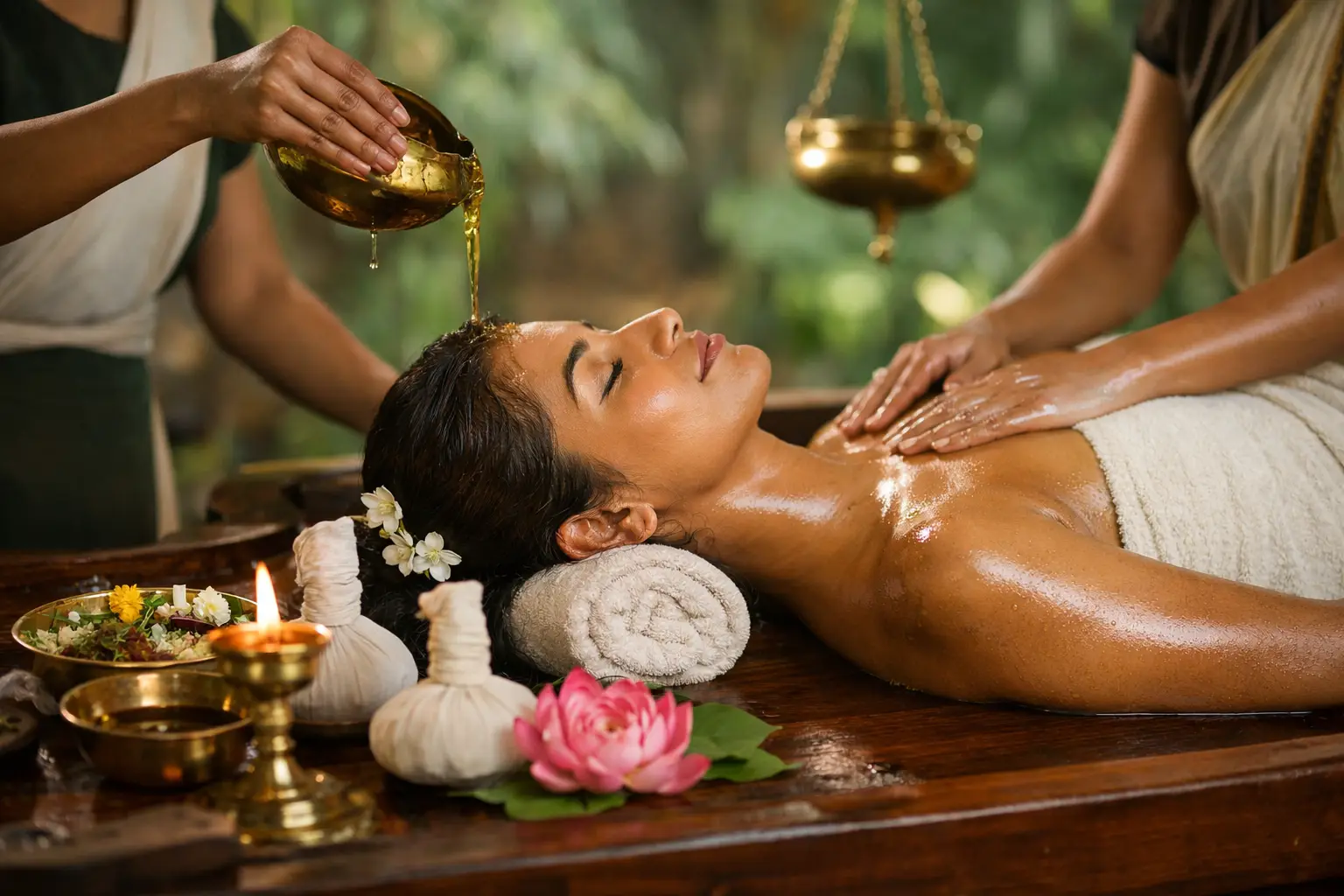
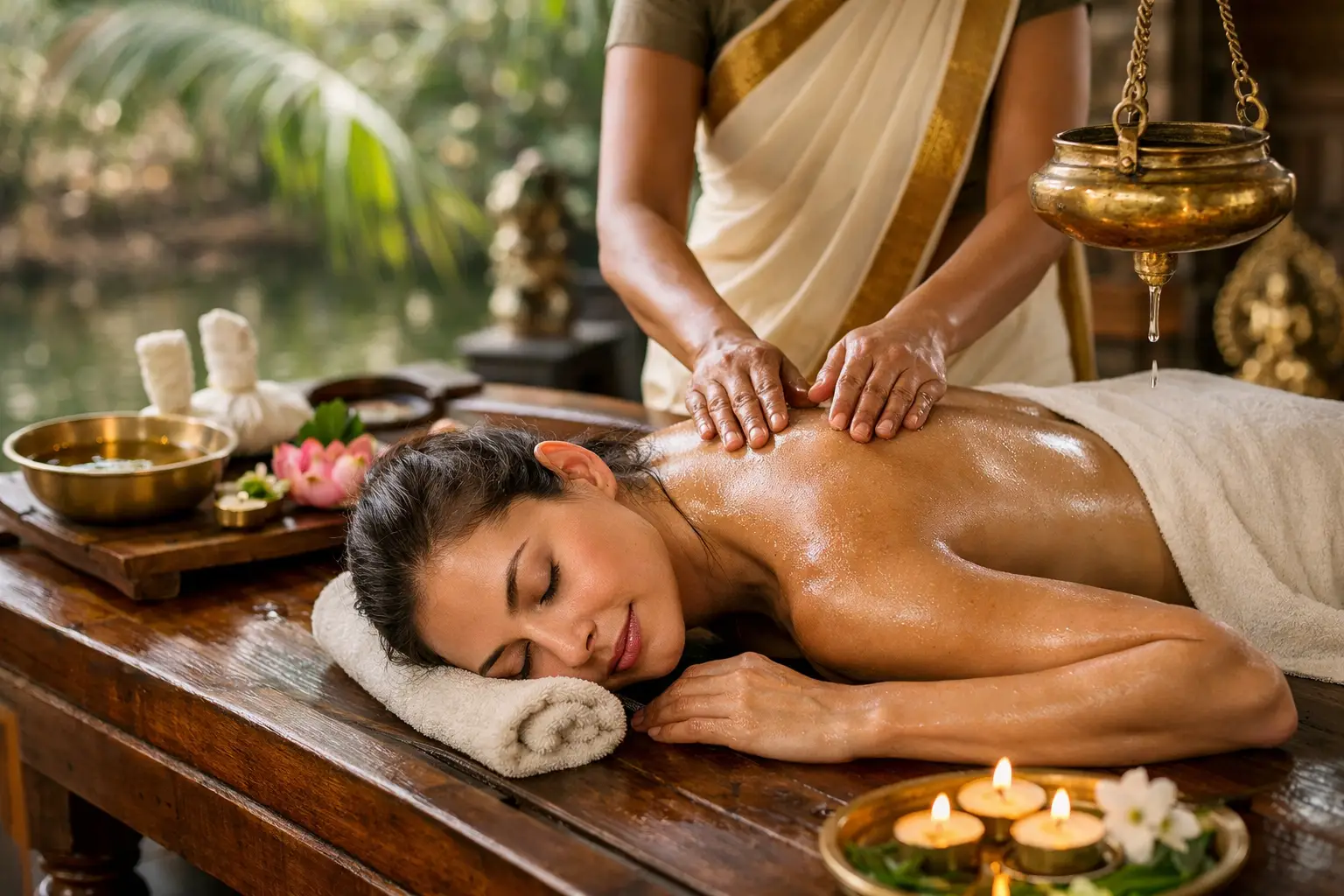
Kerala massage is known for its use of warm oil, flowing hand movements, and a style that works on both the muscles and the nervous system. The pressure can be adjusted, but the overall experience usually feels smooth and calming rather than rushed or harsh. That matters when your main goal is to rest, reset, and let your body stop holding tension.

Some massages are better for intense muscle work. Some are better for stretching. Kerala massage for relaxation stands out because it brings together comfort and effectiveness. The oil helps the hands move evenly across the body, which creates a softer and more complete feeling. Instead of short, choppy pressure, you get long, connected strokes that help circulation and support full-body ease.

This is also why many clients choose it when they feel generally tired rather than dealing with one single pain point. If your whole body feels worn down, this style can feel more suitable than a treatment that focuses only on one area.

What happens during the massage

The session usually begins with a quick understanding of what your body needs. Some clients want gentle relaxation. Others want medium pressure on the back, shoulders, or legs while still keeping the session peaceful overall. A good therapist does not treat every body the same. That personal adjustment is a big part of getting the result you want.

Warm oil is then used on the body. This helps reduce friction and creates a smoother, more comforting touch. The therapist uses controlled movements across major muscle groups, often paying close attention to places where stress builds up most, such as the neck, shoulders, lower back, arms, and calves.

The pace is important. Kerala massage is not supposed to feel rushed. The steady rhythm helps the body settle. Many people notice that after the first few minutes, their breathing slows down and the tight feeling in the body starts to ease. That is often when real relaxation begins.

Who benefits most from Kerala massage for relaxation

This massage works well for people with everyday fatigue. If you lift, walk, stand, drive, type, or deal with constant work pressure, your body collects strain throughout the day. You may not always call it pain, but you feel it. The body becomes heavy, tight, and irritable. Kerala massage helps reduce that load.

It is also a strong option if you have trouble switching off mentally. Stress does not stay in the mind alone. It settles into the shoulders, jaw, back, and sleep pattern. A soothing oil massage can help signal to the body that it is safe to let go.

That said, pressure should always match the person. If you are extremely sensitive, ask for a gentle session. If you have stubborn muscle tightness, a firmer approach may be better. Relaxation is personal. The best session is the one that fits your condition, not the one that sounds strongest.

The role of oil in deep comfort

A big reason people remember this massage is the effect of the oil. Warm oil changes the feeling of the treatment. It adds comfort, reduces dryness on the skin, and helps create a more grounded, calming experience. For clients who feel overworked and physically drained, this detail matters.

Oil massage also encourages the therapist to work in longer patterns across the body. That can make the session feel more complete and less mechanical. Instead of isolated pressure in one spot, the body experiences a connected flow. For relaxation, that often works better.

If you do not like oily treatments, this may not be your first choice. Some people prefer dry techniques or stretching-based sessions. But if your goal is to feel soothed, loosened, and mentally quieter, the oil-based approach is one of the main advantages of Kerala massage.

Kerala massage vs other relaxation styles

Many clients ask which massage is best when they simply want to feel better fast. The honest answer is that it depends on what kind of tension you carry.

If you want stretching and joint movement, Thai massage may suit you more. If you want targeted pressure on knots, another style may be more direct. But if you want a balanced treatment that feels traditional, calming, and full-body from start to finish, Kerala massage for relaxation is often the better option.

It is especially helpful when your stress is spread everywhere. Maybe your neck is tight, but so are your legs. Maybe your lower back hurts, but your bigger problem is full-body fatigue. In that case, a massage that works across the entire body can bring more satisfaction than one that focuses too narrowly.

What to expect after the session

Most people feel lighter, calmer, and less stiff after a good Kerala massage. The body often feels warmer and more mobile. Some clients notice immediate improvement in shoulder tightness or leg fatigue. Others mainly feel mentally refreshed, which can be just as valuable.

You may also feel sleepy afterward, especially if your body has been carrying a lot of stress. That is normal. Relaxation sometimes shows up as drowsiness because the nervous system is finally slowing down.

Results also depend on timing and consistency. One session can bring noticeable relief, but regular massage usually gives better long-term comfort. If your job keeps putting pressure back into the body every week, occasional care may help, but steady care often helps more.

Choosing the right place for Kerala massage for relaxation

Technique matters, but so does the setting. A relaxing massage is not only about the hands of the therapist. It is also about whether you feel comfortable, respected, and able to rest during the session. Friendly staff, clean space, and professional service all make a difference.

This is why many clients look for a place that offers both skill and convenience. If a massage center is easy to access, open when you actually need it, and clear about pricing, it removes stress before the session even starts. That practical side matters for busy people.

At Salma Spa Ajman, the focus is simple – affordable relaxation, professional therapists, and service that fits real schedules. For clients who want dependable care without high prices or unnecessary complications, that kind of approach makes booking easier and more comfortable.

When to book this massage

There is no perfect day to take care of your body. The best time is usually when you notice the signs are building up. If your sleep is getting worse, your back feels constantly tight, your legs stay heavy after work, or your mood is short because your body is worn out, that is a good time to book.

Some clients come late at night after work. Others prefer a daytime session on a day off. What matters most is choosing a time when you can let yourself relax instead of rushing straight back into stress.

If you are new to this style, start with a session focused on comfort rather than very strong pressure. Once you know how your body responds, you can ask for small adjustments next time. Good massage is not about proving how much pressure you can handle. It is about getting the right result.

Relaxation should feel simple, not complicated. When your body is asking for relief, listening early is always better than waiting until the stress turns into pain.

First Spa Visit Review: What to Expect

First Spa Visit Review: What to Expect

Walking into a spa for the first time can feel a little awkward. That is why a honest first spa visit review matters so much. Most people are not worried about luxury. They want to know one thing – will this help me relax, reduce body pain, and feel worth the money?

For most first-time guests, the answer depends on three simple things: how easy the booking is, how comfortable the staff make you feel, and whether the treatment matches what your body actually needs. If you are dealing with work stress, travel fatigue, sore muscles, or just a tired mind, a good spa visit should feel practical, not confusing.

First spa visit review – the real experience

A lot of people expect a spa to feel formal or expensive. In reality, a good local spa should feel welcoming from the first minute. You should be greeted clearly, shown your options, and guided without pressure. If you are a first-time customer, this matters more than fancy decoration.

The best experience starts before you even arrive. A good spa should make booking easy, explain prices clearly, and tell you what services are available. If the staff sounds organized and respectful on the phone or in person, that is already a strong sign. Many first-time visitors feel more relaxed when they know the massage type, session length, and cost before the treatment begins.

Once inside, the first impression usually comes down to cleanliness, privacy, and attitude. A clean room, fresh towels, and a calm setup make a big difference. Friendly staff also matter. Some guests are shy during a first visit, so a simple and respectful approach helps them settle in faster.

What first-time spa guests usually worry about

Most people do not ask because they feel embarrassed, but the worries are common. What should I wear? Will it be painful? What if I do not know which massage to choose? Will the therapist understand what I need?

These are normal questions. A professional spa should answer them without making you feel uncomfortable. You should be able to say if you want light pressure, medium pressure, or deeper work on certain areas. If your neck is stiff, your lower back is sore, or your legs feel heavy after long work hours, say it clearly. A therapist can only customize the session if they know what you are dealing with.

Your first visit is not about pretending to know spa etiquette. It is about getting relief. Good service means the staff explains the process in simple language and adjusts the treatment to your comfort level.

How to choose the right massage on your first visit

This is where many first-timers get stuck. A long menu can sound impressive, but too many options can also be confusing. The easiest way to choose is to think about your body, not the name of the massage.

If you feel general tiredness and want full-body relaxation, an oil massage is usually a safe first choice. It tends to feel smooth, calming, and beginner-friendly. If your skin feels dry and you want a softer touch, a cream massage may feel more comfortable. If you have stronger body tension from labor work, travel, or long standing hours, a deeper therapist-led bodywork style may suit you better.

Some guests are curious about Indian, Kerala, Russian, Thai, or Pakistani massage styles. That can be a good thing, but expectations should stay practical. Different styles may focus on pressure, stretching, rhythm, or muscle release in different ways. The best option depends on how much pressure you like and where your body holds tension. There is no single massage that works for everyone.

A first-time guest often does best by telling the therapist, “I want relaxation,” or “I want relief from back and shoulder pain.” That gives a more useful starting point than choosing a service just because the name sounds popular.

What happens during the appointment

A typical first session is straightforward. After check-in, you may be asked a few quick questions about pain areas, pressure preference, and whether you want a full-body massage or focus on certain muscles. This part should be simple, not complicated.

You will then be shown to a treatment room and given privacy to get ready. If you are new to this, do not overthink it. The staff should guide you properly. Professional therapists know how to keep the experience respectful and comfortable.

During the massage, communication matters. If the pressure is too strong, say so. If you want extra attention on your shoulders, back, legs, or feet, mention it. A lot of first-time visitors stay quiet because they think they should just accept the session as it is. That usually leads to a weaker experience. The best results come when the therapist knows what your body needs.

After the session, most people notice one of two things right away. Either they feel deeply relaxed and sleepy, or they feel lighter and looser in the muscles. Both are normal. If your body has a lot of tightness, some areas may feel slightly tender afterward, especially after a stronger massage. That does not always mean the treatment was bad. It depends on the pressure used and your body condition before the session.

A practical first spa visit review should judge these things

If you are trying to decide whether the visit was worth it, focus on practical points. Was the place clean? Were the staff respectful? Did the therapist listen? Was the pressure adjusted properly? Did your body feel better after the session? Was the price fair for the service?

This matters more than fancy language or luxury branding. For many customers, especially people with physically demanding jobs or long working hours, value is a big part of the experience. Affordable service with real relief often matters more than decoration.

That is one reason many local customers prefer straightforward spas that focus on comfort, therapist skill, and flexible timing. If a spa is open late or even 24 hours, that can be a huge benefit for people whose schedules do not fit standard business hours. Convenience is not a small detail. For many guests, it is the reason they finally book.

First spa visit review – what makes it good or disappointing

A good first visit usually feels easy from start to finish. Booking is simple. Prices are clear. The room is clean. The therapist is professional. The treatment matches your needs. You leave feeling calmer, lighter, or less sore than when you came in.

A disappointing visit usually has warning signs. Poor communication, unclear pricing, rushed service, or a therapist who does not listen can ruin the experience quickly. Even a nice-looking place can feel frustrating if the service is not personal. First-time guests especially need reassurance and clear guidance.

That is why practical service matters so much. A spa should not make your first visit feel like a test. It should make you feel comfortable enough to return.

For guests who want simple value, a place like Salma Spa Ajman appeals because the offer is clear: affordable pricing, professional therapists, multiple massage styles, and service built around customer comfort. That kind of clarity helps first-timers relax before the massage even starts.

Is a first spa visit worth it?

For most people, yes – if they choose based on comfort, professionalism, and actual body needs. A first visit will not solve every problem in one hour. If you have long-term tension, stress, or body pain, one session may help a lot, but regular care often works better than a one-time appointment.

Still, even one good massage can reset your mood, ease tight muscles, and help you sleep better that night. That is a real benefit, especially when stress and fatigue have been building for days or weeks.

If you are still unsure, keep your first booking simple. Choose a session length that feels comfortable for your budget, ask for a beginner-friendly massage, and be honest about what you want. You do not need spa experience to enjoy a good treatment. You just need a place that treats you well, listens carefully, and delivers the relief you came for.

Your first spa visit should not feel complicated. It should feel like one smart hour you finally gave back to yourself.

How to Prepare for Massage the Right Way

How to Prepare for Massage the Right Way

A good massage starts before you lie down on the table. If you are wondering how to prepare for massage, the goal is simple – come in comfortable, clean, relaxed, and ready to tell your therapist what your body needs.

That does not mean you need a big routine or special products. In most cases, a better session comes from a few practical choices. Eat light, arrive on time, wear easy clothes, and be clear about pain, stress, or tight areas. These small steps help your therapist give you a smoother, more effective treatment from the first minute.

How to prepare for massage before you leave home

The best preparation starts with timing. Try not to rush in straight from a stressful call, a hard workout, or a heavy meal. Give yourself a little space before your appointment so your body can settle down. Even 15 to 30 minutes makes a difference.

Food matters more than many people expect. It is better to avoid a large, greasy, or very spicy meal right before your massage. Lying face down with a full stomach is not comfortable. A light meal or snack is usually the better choice, especially if your session is long.

Water also helps. You do not need to force yourself to drink too much, but coming in dehydrated can leave your muscles feeling tighter and more sensitive. Drink a normal amount of water before your appointment so you feel comfortable, not bloated.

A quick shower is always a smart idea. It helps you feel fresh and relaxed, and it makes the session more comfortable for both you and the therapist. If you are coming after work, travel, or outdoor activity, cleaning up first is even better.

Clothing should be simple. Choose loose, comfortable clothes that are easy to change out of and back into. Tight jeans, heavy belts, and complicated outfits can make the start and end of the session feel more stressful than necessary.

What to avoid before a massage

Some habits can make a massage less enjoyable. Alcohol is one of them. Even a small amount can affect how your body feels and responds, and it can leave you more dehydrated. It is better to skip it before your appointment.

Very intense exercise right before a massage is another thing to think about. Some people like a massage after physical work or training, and that can help. But if your muscles are already overworked, very aggressive pressure may not feel good. In that case, tell your therapist so they can adjust the style and pressure.

Try not to load your schedule too tightly. If you book a massage and then plan to race immediately to another meeting, you may spend the whole session thinking about the clock. A massage works best when your mind is not under pressure.

Be honest about pain, injuries, and pressure

One of the biggest parts of how to prepare for massage is knowing what to say before the treatment begins. You do not need medical language. Just explain what feels wrong.

If your lower back is tight, say that. If your neck hurts when you turn to one side, mention it. If your legs are tired from long standing hours, tell the therapist. If you have an old injury, recent surgery, fever, skin irritation, or any health condition that could affect treatment, speak up clearly.

This is especially important because not every massage should feel the same. A person with desk-job stiffness may need different work than someone who does physical labor all day. A traveler with swollen feet may want relief in the legs and shoulders. Someone under high stress may prefer a calming oil massage instead of very strong pressure.

Pressure is personal too. Strong is not always better. Some customers think a painful massage means it is working, but that is not always true. Good therapy should match your body, not fight it. If you like medium pressure, ask for it. If you want deep work in one area and gentle work in another, say that before the session starts.

Arrive early and settle your mind

Getting there a bit early helps more than most people realize. When you arrive rushed, breathing fast, checking your phone, and thinking about traffic, your body stays tense. Even the best therapist has to spend more time helping you come down from that stress.

If possible, arrive a few minutes early, sit down, and take a breath. Put your phone on silent. Let yourself switch from work mode to rest mode. This is a simple step, but it can improve the whole experience.

If you are visiting a place like Salma Spa Ajman for a late-night or after-work session, this matters even more. Many customers come in carrying a full day in their shoulders and back. A calm arrival gives your treatment a better start.

Personal comfort matters more than perfection

Some people feel nervous before their first massage. That is normal. They worry about what to wear, how to lie down, whether to talk, or whether they need to look a certain way. The truth is much simpler. A professional therapist is there to help you feel comfortable, not judged.

You do not need to prepare like it is a formal event. Just come clean, respectful, and ready to communicate. If you prefer quiet, that is fine. If you need a moment to settle in, that is fine too. If the room feels too cool, the face cradle feels uncomfortable, or the pressure is too much, say it.

Massage should feel supportive, not awkward. The more clearly you speak, the easier it is for the therapist to give you a treatment that fits your needs.

Choosing the right massage affects how you prepare

Not every session needs the same preparation. If you are booking a relaxing oil or cream massage, the goal is often stress relief, smoother body movement, and overall comfort. In that case, coming in rested and ready to relax is the main thing.

If you are choosing a stronger style or a more focused bodywork session, it helps to mention your pain points in more detail. For example, if you want Thai stretching, your therapist may need to know about stiffness, mobility limits, or joint pain. If you are booking a traditional style such as Indian, Kerala, Russian, or Pakistani massage, your comfort with pressure, oil, and pace can shape the session.

This is where practical communication matters. The more your therapist understands your goal, the better they can customize the service. Some people want full-body relaxation. Others want targeted relief in the back, legs, neck, or shoulders. Both are fine, but the session should match the reason you booked it.

What to do right before the session starts

Use the restroom if you need to. Remove jewelry, watches, and anything bulky. Take a final moment to think about the one or two things you want most from the appointment. Better sleep tonight? Less shoulder tension? Relief after standing all day? Tell your therapist directly.

Try not to over-explain. Clear and simple is enough. Saying, “My neck and upper back are very tight, and I want medium pressure” is more useful than a long story that never gets to the point.

Then let yourself relax into the process. You do not need to perform relaxation perfectly. Your only job is to breathe, stay comfortable, and speak up if something needs adjusting.

Aftercare starts with preparation

A good massage does not end the second you get off the table. What you do after matters too, and part of preparation is planning for that. If possible, avoid going straight into heavy physical work right after your session. Give your body some time to enjoy the result.

Drink water, eat normally, and pay attention to how you feel. Some people feel light and energized. Others feel sleepy and deeply calm. If you had strong pressure on tight muscles, mild soreness can happen. That does not always mean something is wrong. But sharp pain or ongoing discomfort should be mentioned if you book again.

This is also why it helps not to schedule your massage at the worst possible moment in your day. A little breathing room afterward lets the benefits stay with you longer.

The simple answer to how to prepare for massage

Preparing well is not complicated. Shower if you can, eat light, wear comfortable clothes, come a little early, and be honest about what hurts and what feels good. That is enough to make your session easier, smoother, and more satisfying.

When massage is done right, it does more than pass the time. It helps tired muscles loosen up, gives the mind a break, and leaves you feeling more like yourself again. A little preparation before you arrive can turn a decent session into real relief.

Kerala Massage Experience Review

Kerala Massage Experience Review

Some massages feel nice for an hour and then fade. A proper Kerala massage usually does more than that. This kerala massage experience review is for people who want real body relief, not fancy words – especially if your shoulders stay tight, your legs feel heavy, or long workdays leave your back stiff.

Kerala massage has a strong identity. It is usually oil-based, therapist-led, and focused on steady rhythm rather than random pressing. The first thing most people notice is that it feels purposeful. The strokes are not rushed. The therapist often works in a pattern, giving attention to muscles, joints, and circulation instead of jumping around the body without a plan.

What a Kerala massage experience review should really cover

A useful review should talk about results, comfort, and consistency. Many people read about massage styles and still do not know what the actual session feels like. Kerala massage stands out because it often combines warm oil, repeated long strokes, and moderate to firm pressure depending on your body condition.

If you are expecting a dry massage with short pressing movements, this style may surprise you. It is smoother and more flowing. That can be a big advantage for people dealing with general body fatigue, work stress, or stiffness that spreads across larger muscle areas like the back, thighs, calves, and shoulders.

At the same time, personal preference matters. If you dislike oil on the skin or want a very targeted sports-style treatment, Kerala massage may feel less sharp and more restorative. That is not a weakness. It just means the experience suits some needs better than others.

First impression during a Kerala massage session

The setup matters more than people think. A good experience starts before the first touch. The room should feel calm, clean, and private. The therapist should ask at least a few simple questions about pain areas, preferred pressure, and whether you want more focus on the back, neck, legs, or full body.

Once the massage starts, warm oil is often part of the treatment. That warmth changes the feeling immediately. Instead of a dry drag on the skin, the hands move more easily, and the body tends to relax faster. For many clients, this is where the session begins to feel different from a basic body rub.

The rhythm is another important detail. Kerala massage often uses repeated directional strokes that help the body settle down. That repeated movement can feel deeply calming when done by a skilled therapist. If the therapist is experienced, the session feels organized from start to finish.

Pressure, technique, and body response

In this kerala massage experience review, pressure is one of the biggest points to discuss because people often misunderstand this style. Kerala massage is not always soft. It can be gentle, but it can also be quite effective on muscle tension when the therapist adjusts pressure correctly.

The better sessions usually balance three things – oil flow, hand control, and body awareness. Too light, and the massage feels slippery without impact. Too strong, and it becomes tiring rather than relaxing. The sweet spot is when the therapist works deeply enough to release tension but keeps the body comfortable.

Many people report the best response in the legs, lower back, shoulders, and upper neck. If you stand for long hours, lift at work, drive a lot, or sit at a desk with poor posture, those areas often carry the most strain. Kerala massage can be very satisfying for this kind of full-body tiredness because it is not limited to one small pain point.

There is one trade-off, though. If you have one very specific knot and want direct trigger-point work the whole time, another massage style may be more suitable. Kerala massage often works the body as a system, not just one stubborn spot.

Oil massage makes a big difference

One reason people come back to Kerala massage is the oil application. Good oil work changes both the skin feel and the muscle response. The body warms up faster, the therapist can maintain better flow, and the session often feels less broken up.

This matters for tired clients who want to relax without sharp, choppy movements. Oil also helps longer strokes across the back and legs, which can create a more complete sense of body relief. After the session, many people notice their skin feels softer and their body feels lighter.

Still, oil massage is not for everyone. Some clients prefer cream or dry pressure styles because they want less residue on the skin. Others simply want a quick massage and to leave immediately without dealing with post-treatment cleanup. That is why asking what product will be used is always smart before booking.

Therapist skill decides the whole experience

No massage style can perform well with poor technique. A Kerala massage experience can feel excellent or average depending on the therapist. The method needs control, pacing, and enough experience to read the client’s body.

A professional therapist knows when to slow down, when to increase pressure, and when to avoid overworking a sensitive area. They also understand that two people asking for the same service may need very different treatment. One client may want deep shoulder work. Another may need a calmer full-body session for stress and sleep support.

That is why personalized service matters. A friendly therapist with good training makes the experience much better than a one-size-fits-all routine. For customers in Ajman looking for practical and affordable body relief, this is exactly the type of treatment that feels worthwhile when delivered correctly.

Who will enjoy Kerala massage the most

Kerala massage tends to work especially well for people who feel physically drained rather than medically injured. If your body feels heavy after work, if your back gets tight from daily routine, or if stress shows up as neck and shoulder tension, this style can be a strong option.

It also suits people who want a massage that feels traditional, steady, and complete. Some massage styles feel highly technical. Others feel more casual. Kerala massage often sits in the middle – structured enough to feel professional, relaxing enough to feel comforting.

Travelers, shift workers, service staff, and labor-heavy workers often appreciate this kind of bodywork because it gives broad relief. You do not need to be a spa expert to enjoy it. You just need to know whether your body wants warmth, oil, and full-body attention.

What may disappoint some clients

An honest kerala massage experience review should mention the weaker side too. If you want a fast, dry, highly targeted session with no oil at all, this may not be your first choice. If you are in a rush, the slower rhythm may feel too relaxed for your mood.

Some people also expect every traditional massage to be extremely deep. That is not always the case. The quality comes from the flow and body response, not just force. A good therapist can make moderate pressure feel more effective than rough handling.

Another factor is communication. If clients stay silent about pressure, pain points, or sensitivity, the session may not fully match what they need. Kerala massage works best when the therapist gets clear direction and can adapt the treatment.

Is Kerala massage worth booking?

For many people, yes. If your goal is affordable relaxation with real physical comfort, Kerala massage offers solid value. It is especially good when you want stress relief and muscle ease at the same time. The oil-based approach, flowing technique, and full-body attention give it a dependable, satisfying feel.

It is not a miracle treatment, and it is not the perfect fit for every body type or every mood. But for general fatigue, body tightness, and the need to reset after long hours, it performs well. That is why many clients treat it as a repeat service rather than a one-time experiment.

In a practical spa setting, where people want professional treatment without luxury pricing, this style makes sense. A place like Salma Spa Ajman can appeal to that need because clients often want simple booking, friendly care, and a massage that helps right away.

If you have never tried it before, the best approach is simple. Ask for your pressure clearly, mention your problem areas, and go in expecting a warm, oil-based, steady session rather than a rushed fix. When done by a skilled therapist, Kerala massage feels less like a trend and more like reliable body relief you will want again.

Guide to Affordable Massage Treatments

Guide to Affordable Massage Treatments

A good massage should not feel like a luxury you keep delaying. If you need this guide to affordable massage treatments, you are probably dealing with the same thing many people face every week – body pain after work, tired legs, stiff shoulders, stress that does not go away, and a budget that still matters.

The good news is simple. Affordable massage does not have to mean low quality. You can still get real relief, professional care, and a comfortable experience without paying premium spa prices. What matters is knowing what you are booking, what your body needs, and how to spot a place that offers value instead of just a cheap rate.

What affordable massage really means

Many people hear the word affordable and assume basic service, rushed treatment, or untrained staff. That is not how it should work. Affordable massage treatments are about getting the right service at a fair price, with a clean setting, certified therapists, and clear communication.

A fair entry price is often enough for a standard session that focuses on stress relief, muscle relaxation, and general body comfort. If a massage center keeps pricing simple and does not hide the service behind confusing packages, that is usually a good sign. You should know what you are getting before you arrive.

Affordable also means practical. Maybe you need a late-night appointment after work. Maybe you want a quick body reset without committing to a luxury spa day. Maybe you just want a dependable therapist who understands pressure, pain points, and how to help you feel better fast. That is real value.

A guide to affordable massage treatments by body need

The easiest way to choose a massage is to stop thinking about trends and start thinking about your actual problem. Not every treatment is for every person, and the best affordable option is usually the one that matches your condition the first time.

If your body feels heavy, dry, tense, or overworked, oil massage is often a strong choice. It helps the hands move smoothly across the muscles, reduces friction, and creates a calming effect that many people feel almost immediately. For working professionals, drivers, service staff, and travelers, oil massage is often a practical treatment because it combines relaxation with pressure-based relief.

Cream massage is a good option if you want a smoother, softer feel on the skin with a slightly different texture during the session. Some people prefer it because it feels gentler while still helping with body tightness. If your goal is overall comfort rather than deep pressure, this can be a smart and affordable choice.

Traditional styles also matter. Thai massage can be useful if your body feels stiff and compressed, especially around the back, hips, and legs. Kerala and Indian massage styles often appeal to people who want rhythmic pressure and a more traditional full-body experience. Russian massage may suit those who prefer stronger muscle work. Pakistani massage can be a comfortable option for people who want practical relief and familiar pressure styles.

There is no single best style for everyone. It depends on your pain level, your pressure preference, and whether you want deep muscle attention or simple relaxation.

How to judge price without getting fooled

A low price alone is not a deal. A treatment is affordable only when the service quality matches the money you spend. That means you should look at the full picture.

First, check whether the pricing is clear. If a business advertises a starting rate, you should still be able to understand what that includes. Session length, type of massage, and any add-on charges should not be a mystery.

Second, ask yourself what the service gives you in return. A clean room, trained therapist, respectful service, proper draping, and focused bodywork all matter. If those basics are missing, the cheapest option can become the worst value.

Third, think about consistency. Many people do not need a one-time luxury session. They need regular relief they can afford every week or every month. A center that offers dependable treatment at an entry-level price is often more useful than an expensive place you visit once and then avoid because of cost.

This is where practical businesses stand out. Salma Spa Ajman, for example, builds its service around affordability, 24-hour availability, and therapist-led care starting from AED 100. That kind of straightforward pricing works well for customers who want relief without the extra drama.

What to look for in therapists

The therapist matters as much as the massage style. A good therapist does more than follow a routine. They listen, adjust pressure, notice body tension, and understand how to work on different muscle areas without making the session uncomfortable.

If you have shoulder stiffness from desk work, lower back fatigue from standing long hours, or leg pain from travel, the therapist should be able to adapt. Personalized treatment is one of the biggest signs that you are getting good value.

Professionalism also matters. Friendly communication, clean presentation, and respect for your comfort should be standard. You should never feel rushed, ignored, or confused about what is happening during your session.

For many customers, especially first-timers, confidence comes from knowing the therapists are trained and used to handling different body needs. A center with multiple massage traditions can be especially helpful because it gives you more than one approach to pain relief and relaxation.

When a cheap massage is not the right massage

There are times when the lowest-cost option is not your best choice. If you have strong muscle pain, old injuries, serious mobility issues, or very specific pressure needs, you may need a therapist with more experience in that style. Paying a little more for the right treatment can save you from wasting time on a session that does not help.

The same is true if you are choosing between a short session and a longer one. A shorter massage may be enough for light stress and general relaxation, but it may not fully address back tension, leg fatigue, and shoulder tightness all in one visit. If your body has multiple problem areas, the better value may be a treatment long enough to do the job properly.

Affordable should never mean careless. It should mean smart spending.

How to make your massage treatment more effective

Getting value from your session is not only about price. It is also about how you prepare and what you communicate.

Arrive with a clear idea of what hurts or feels tight. If your neck is stiff, your calves are sore, or your lower back has been bothering you all week, say it clearly before the treatment starts. Therapists can work better when they know your priorities.

Be honest about pressure. Some people stay silent even when a massage feels too light or too strong. That usually leads to disappointment. A good session is adjusted to your comfort, not forced into one pressure style.

Try to avoid eating heavily right before your appointment. Wear comfortable clothing if possible, and give yourself a little time after the session instead of rushing straight back into stress. Even a short massage feels more effective when you let your body settle.

If you find a style and therapist that work for you, consistency helps. Regular treatments often give better results than waiting until the pain becomes severe.

Guide to affordable massage treatments for busy schedules

For many customers, the biggest challenge is not choosing a massage. It is finding time. Long work hours, changing shifts, family responsibilities, and travel schedules make self-care easy to postpone.

That is why flexible availability matters so much. A massage center that operates around the clock gives people a realistic chance to book when they actually need it, whether that is late at night, early morning, or between shifts. Convenience is part of affordability too, because missed appointments and complicated scheduling create their own kind of cost.

If your schedule is unpredictable, look for a place that keeps booking simple and service options clear. You should be able to choose your treatment fast, book without confusion, and arrive knowing what to expect.

The best affordable choice is the one you will actually use

Some people spend so much time comparing prices that they never book anything. Meanwhile, the body stays tense, stress builds up, and sleep gets worse. A practical massage treatment that fits your budget and your schedule is better than an ideal option you keep postponing.

The best approach is simple. Choose a clean, friendly place with professional therapists, clear pricing, and massage styles that match your needs. Start with the treatment that fits your body today, not the one that sounds most impressive. If you need relaxation, choose relaxation. If you need pressure for muscle fatigue, book that. If you need something available after hours, prioritize convenience.

Relief does not have to be expensive to be real. When the service is professional, the price is fair, and the treatment is personalized, affordable massage becomes something much better than a rare treat. It becomes part of taking care of yourself in a way that actually works.