salma spa ajman

Your cart

No products in the cart.

Cream Massage for Smoothness That Feels Good

Cream Massage for Smoothness That Feels Good

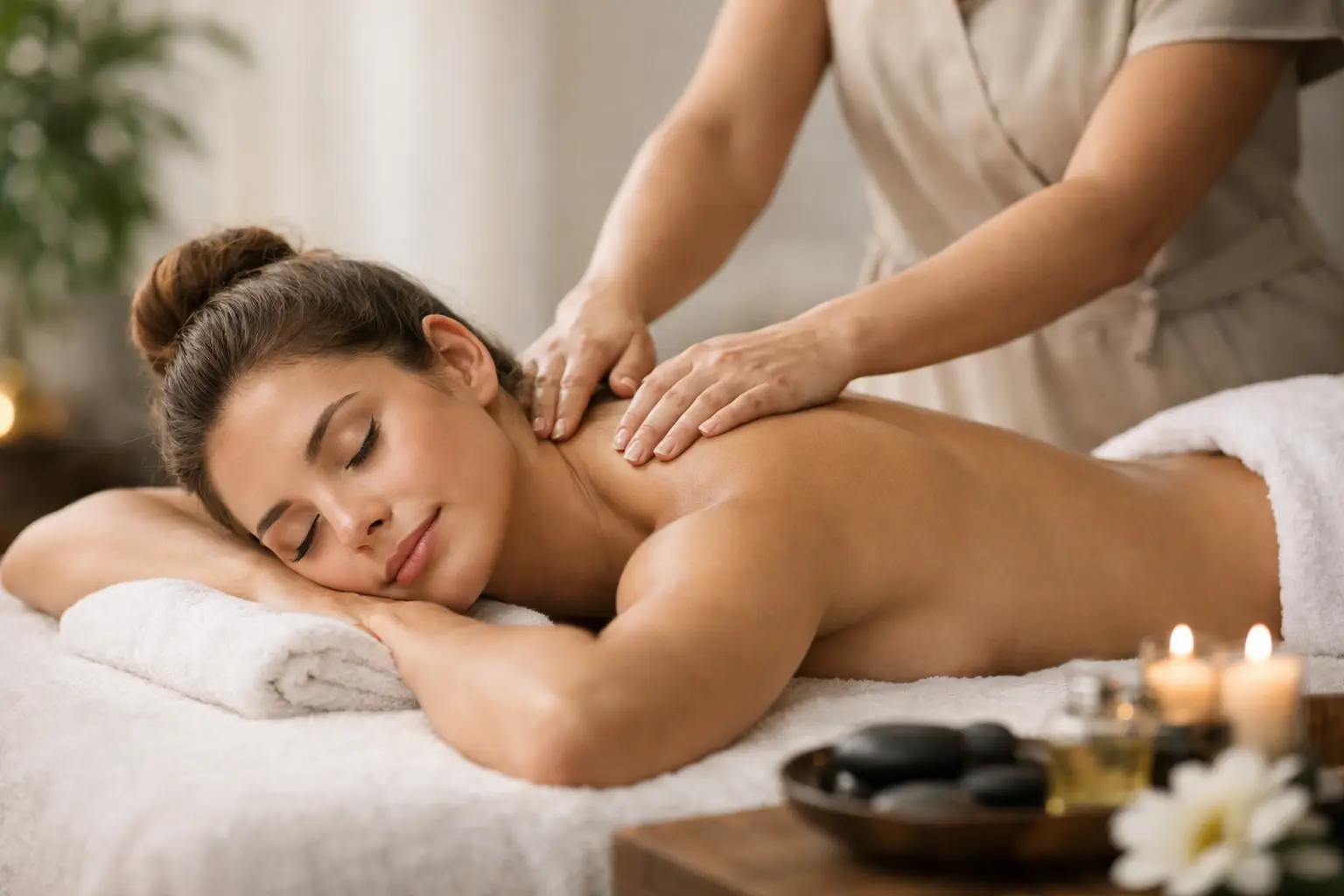
Rough, tired skin and a tight, overworked body can make the whole day feel heavier. That is why many people ask for cream massage for smoothness – not only to relax, but to help the skin feel softer, calmer, and more comfortable after long hours of work, travel, or stress.

Why cream massage for smoothness works

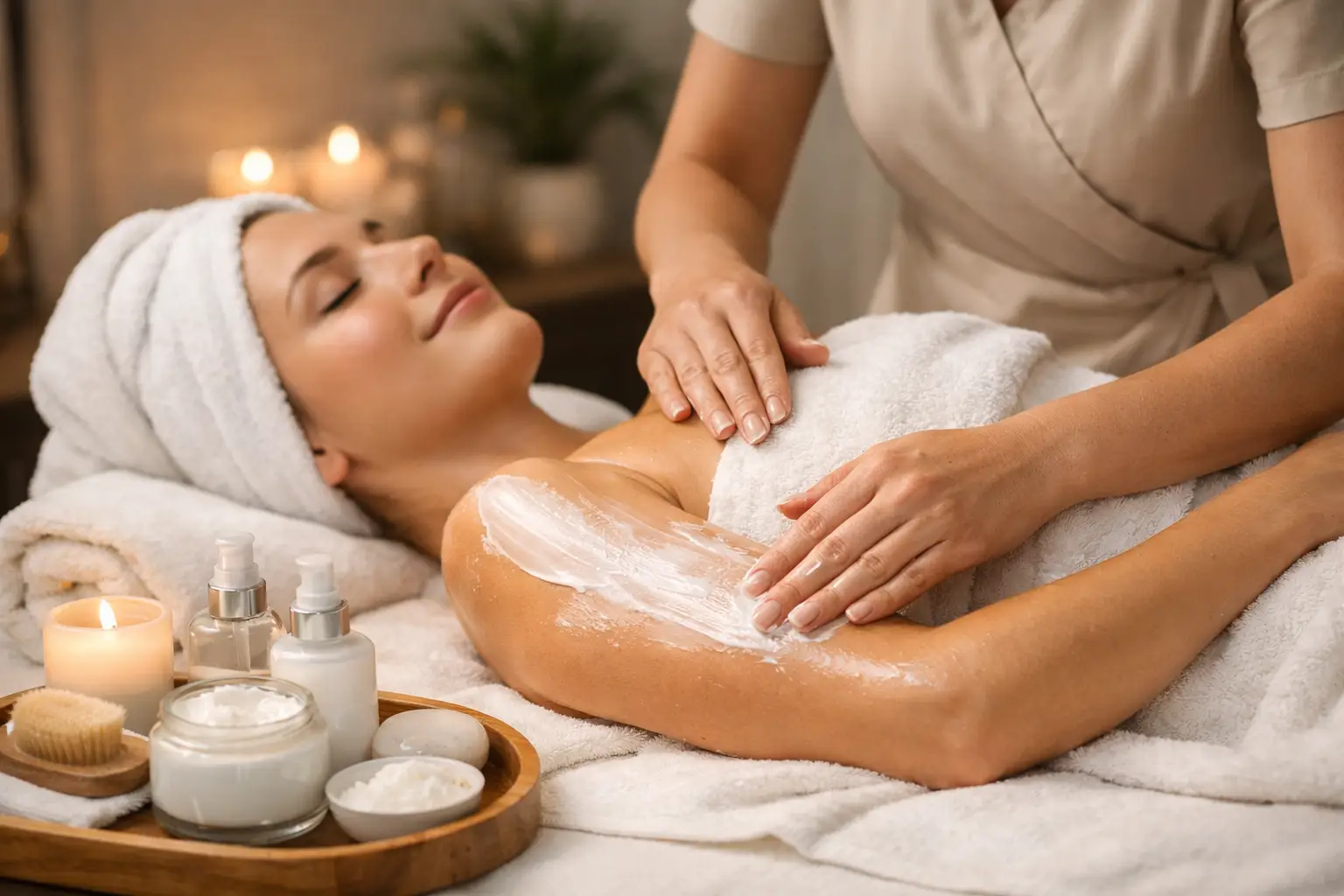
A good cream massage does two jobs at the same time. First, it helps the therapist work on body tension with smooth hand movement and steady pressure. Second, it gives the skin a rich layer of moisture that can leave it feeling softer than before the session started.

This is one reason cream massage is a popular choice for people who want comfort without anything too complicated. If your skin feels dry from air conditioning, hot weather, frequent showers, or outdoor work, cream can feel more nourishing than a lighter massage product. The texture helps the therapist glide well over the body while also supporting that soft, smooth finish many clients want.

The result is not magic, and it is not the same for every person. If your skin is extremely dry, one session may feel very good but still need regular care at home. If your main problem is muscle pain, cream massage can help relaxation, but you may also need deeper pressure depending on the area. Still, for many people, it is one of the easiest ways to combine skin comfort and body relief in one appointment.

What happens during a cream massage

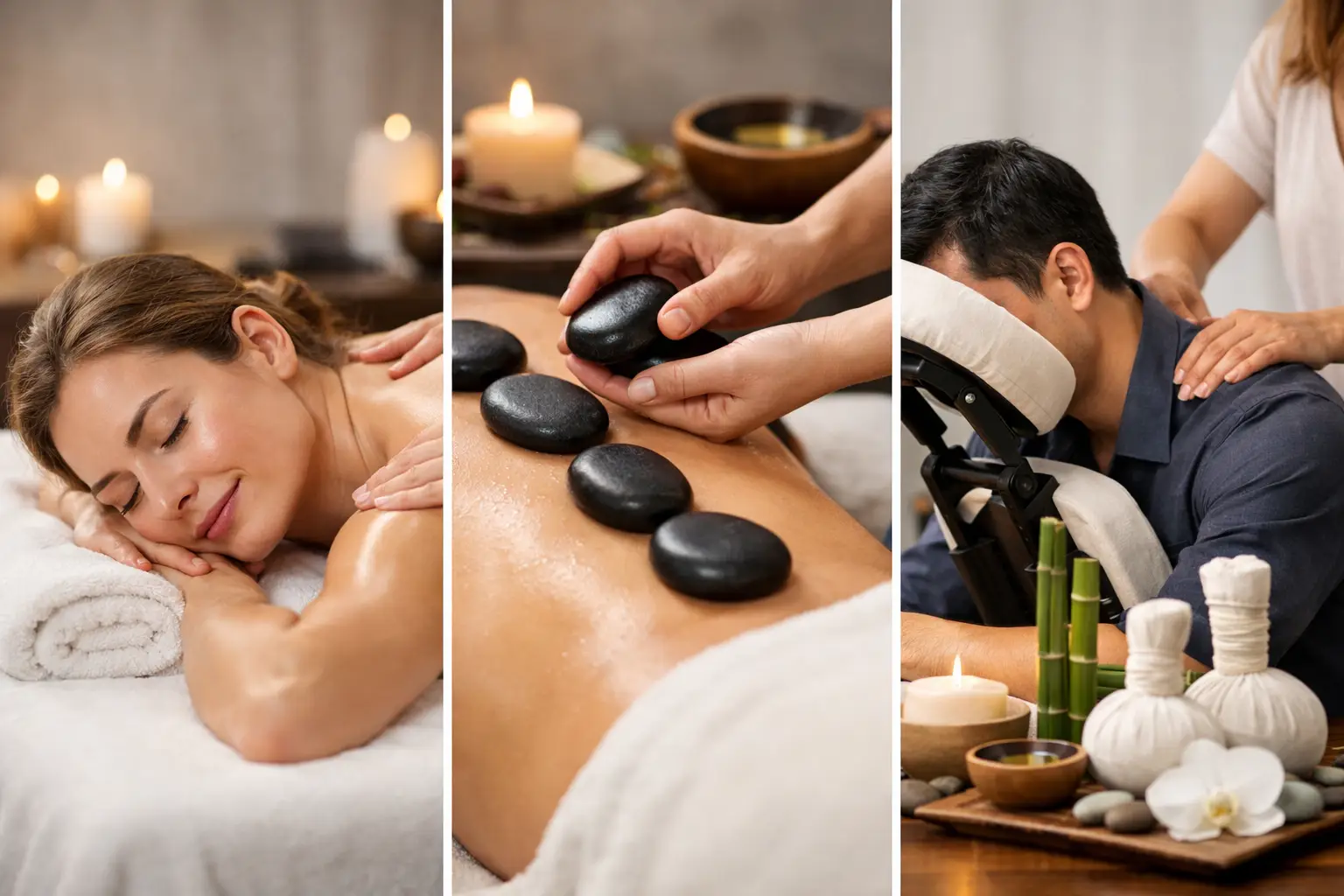
The experience is simple and comfortable. The therapist applies cream to the body in sections and uses flowing strokes, kneading, and pressure based on what you need. Some clients want a light, calming massage after a stressful shift. Others want medium pressure on the back, shoulders, legs, or feet while still enjoying the smooth feel of cream on the skin.

Because the cream has a thicker texture than oil, many clients feel it gives a cushioned, soothing touch. It often feels especially nice on dry areas like arms, lower legs, elbows, and shoulders. A trained therapist can adjust the session so you are not just getting product on the skin – you are getting proper hands-on bodywork with attention to tired muscles and stress points.

This matters because not every massage style feels the same. Some people prefer oil for a lighter slip. Some prefer cream when they want a more moisturizing, soft-skin finish. There is no single best option for everyone. It depends on your skin, your comfort, and what you want most from the treatment.

The skin feel after the session

One of the biggest reasons people choose this service is how the skin feels afterward. Instead of feeling stripped or dry, the body often feels smoother, softer, and more settled. For clients who spend a lot of time in cooling systems, dusty work areas, or hot outdoor conditions, that fresh skin feel can be just as satisfying as the massage itself.

A proper session should not leave you feeling greasy in an unpleasant way. The right amount of cream, used by an experienced therapist, should leave the body comfortable and moisturized. If too much product is used, the finish can feel heavy. If too little is used, the massage may not feel as fluid or relaxing. Good technique makes the difference.

Who should try cream massage for smoothness

This type of massage suits a wide range of people. Working professionals who sit too long, laborers with body fatigue, travelers with dry skin and stiffness, and anyone dealing with daily stress can benefit from it. It is a practical service because it is easy to enjoy and easy to understand. You come in feeling tired, dry, or tense. You leave feeling more relaxed and more comfortable in your body.

It can be a very good choice if you want a massage that feels gentle but still effective. It also works well for clients who like the idea of body care and massage together instead of booking separate treatments.

That said, there are trade-offs. If you strongly dislike any residue on the skin, oil or dry-style massage techniques may suit you better. If you have very sensitive skin, you should always mention that before the session so the therapist can guide you properly. And if your goal is very strong pressure for deep muscle knots, cream massage can still help, but the best result may come from combining smooth relaxation with targeted pressure where needed.

Why many clients choose cream over oil

The choice between cream and oil usually comes down to feel. Oil massage often gives a slick, flowing movement that many people love. Cream massage usually feels richer and more skin-focused. For clients asking about softness and skin comfort, cream is often the better match.

Another reason is personal preference after the massage. Some people like how cream leaves the skin feeling conditioned and smooth. Others prefer the shine and light glide of oil. Neither one is wrong. A professional spa should help you choose based on your comfort, not just push one option for everyone.

At a place like Salma Spa Ajman, where clients come from different backgrounds and ask for different bodywork styles, this flexibility matters. One client may want a simple relaxing cream massage after work. Another may want a stronger treatment with focus on the shoulders and lower back. Customized service is what makes the session feel worth your time.

What to expect from a good therapist

A cream massage should feel professional from start to finish. The therapist should ask where you feel tired, how much pressure you prefer, and whether you want a lighter relaxation session or more focus on body tension. That conversation is important because a good massage is not just about the product. It is about technique, pressure control, and understanding what the client needs on that day.

If your legs feel heavy, the therapist may spend more time there. If your neck and shoulders are tight from work stress, those areas may need extra attention. If you simply want full-body relaxation, the session can be adjusted for that too. This practical, personalized approach is what most clients value most.

Friendly service also matters. People book massage to feel better, not to feel awkward. A welcoming environment, clear communication, and respectful care make the whole experience easier, especially for first-time clients.

Getting the best result from your session

To enjoy better smoothness after the massage, it helps to arrive with clean skin and to let the therapist know if you have any dryness, irritation, or pressure preference. After the session, drinking water and giving yourself a little rest can help you enjoy the relaxed feeling longer.

If smooth skin is a big goal for you, regular sessions may give a better result than a one-time visit. Dryness and body stress usually build up over time, so consistent care often feels more effective than waiting until discomfort becomes too much. Even then, frequency depends on your schedule and budget. The best massage plan is one you can actually maintain.

A practical choice for comfort and confidence

Cream massage is not only about appearance. Yes, smoother skin feels good. But for most clients, the bigger benefit is how that softness comes together with relaxation, reduced body stress, and a refreshed mood. When your skin feels comfortable and your muscles feel lighter, daily life becomes easier.

That is why this service stays popular with people who want real value – something affordable, pleasant, and useful right away. You do not need to be a spa expert to enjoy it. You only need a trained therapist, a comfortable setting, and a session that matches your needs.

If your body feels worn out and your skin feels dry, cream massage for smoothness is a simple choice that can make a real difference. Sometimes the best self-care is not fancy at all. It is just good hands, the right pressure, and one hour set aside for your own comfort.
Stress Recovery Massage That Works

Stress Recovery Massage That Works

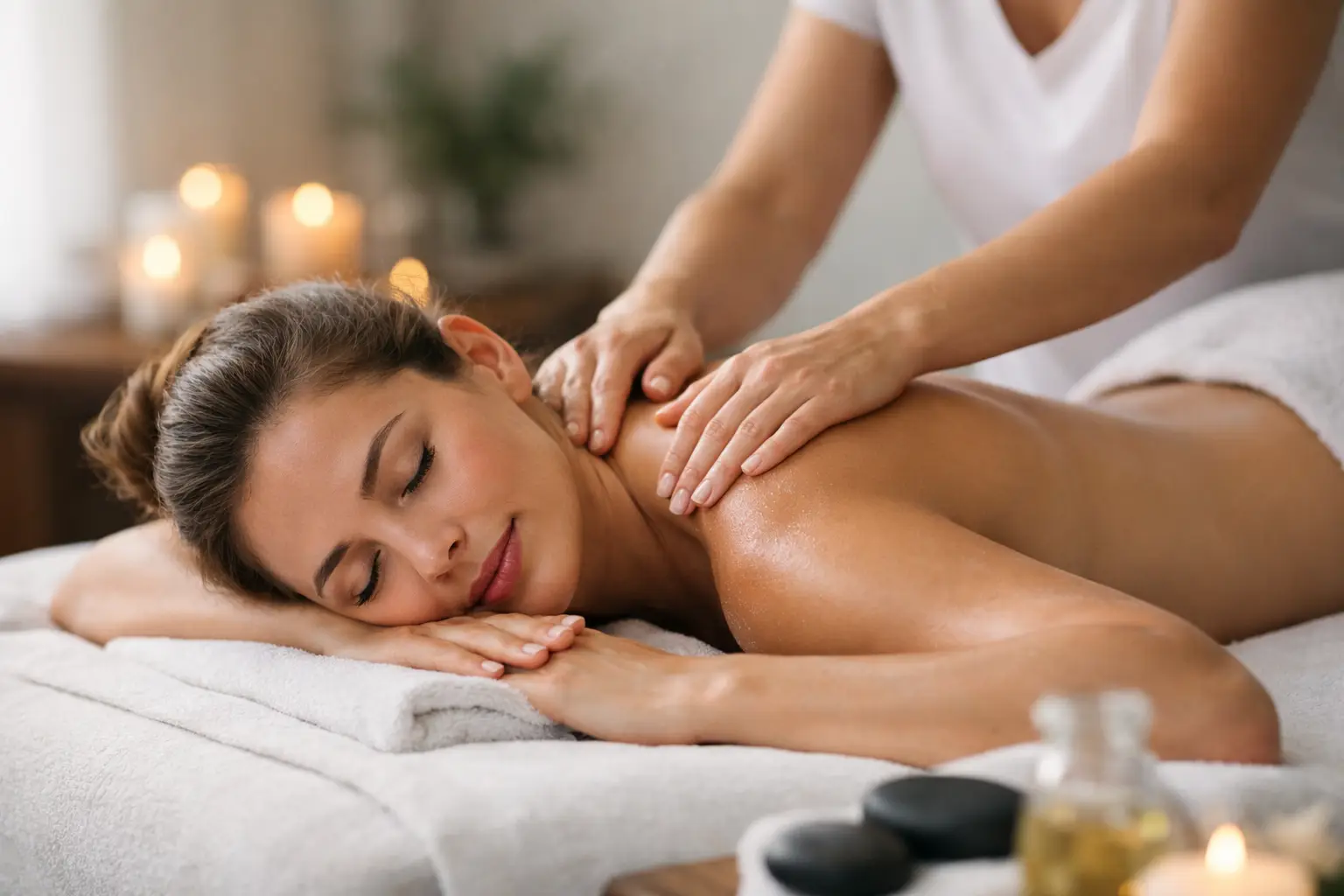
Some stress sits in your mind. The rest settles into your neck, shoulders, back, and legs until even simple movement feels heavy. That is why stress recovery massage is not just about feeling good for one hour. It is about giving your body a real chance to loosen up, settle down, and start feeling normal again.

For many people, stress does not show up as one big problem. It shows up as poor sleep, tight shoulders, headaches, a stiff lower back, sore feet, and a short temper after a long day. If you work hard, sit too long, stand too long, travel often, or deal with daily pressure, your body carries that load. A good massage helps release it in a practical, immediate way.

What stress recovery massage really does

Stress recovery massage focuses on reducing physical tension caused by mental and emotional pressure. When stress builds up, muscles stay tight longer than they should. Blood flow can feel sluggish, your breathing may become shallow, and your whole body can stay in a guarded state. Massage helps interrupt that pattern.

The main benefit is simple. Your muscles get a chance to relax under trained hands, and your nervous system starts to calm down. That can leave you feeling lighter, clearer, and more comfortable in your own body. Many people also notice better sleep, less heaviness in the head, easier movement, and less irritation after a session.

This does not mean every massage feels the same. Some people need gentle pressure because they are already overstimulated and exhausted. Others want firmer bodywork on the back, shoulders, and legs because stress has turned into deep muscle tightness. The right treatment depends on how your stress shows up in your body.

Who benefits most from stress recovery massage

This type of massage is a good fit for people who feel worn out, tense, or physically overloaded. Office workers often come in with neck stiffness and upper back pain from long hours at a desk. Laborers and service workers may feel stress mixed with body fatigue, sore legs, and lower back tension. Travelers may deal with jet lag, swelling, and overall exhaustion. Even people who sleep badly for a few nights can feel the effects all over their body.

Stress recovery massage is also useful when you do not want anything complicated. Some wellness services can feel too technical or too expensive. Most people just want real relief, a professional therapist, and a session that matches what their body needs that day. That practical approach is what makes massage such a dependable option.

How a stress recovery massage session may feel

A well-handled session usually starts with one basic goal – understand where your body is holding the most tension. For one person, that may be the shoulders and neck. For another, it may be the lower back, calves, or feet. Some clients feel stress everywhere and want full-body work to reset the whole system.

The session itself should feel focused, not random. A therapist may use oil or cream to help the hands move smoothly while working through tight muscles. Steady pressure, controlled strokes, and targeted attention on sore areas help the body release tension gradually. If needed, the therapist can keep the pressure soft and calming or make it stronger for stubborn tightness.

You should not expect a dramatic miracle in five minutes. Good massage works best when it responds to the real condition of your muscles. Sometimes immediate relief comes fast. Sometimes the body softens slowly during the session and continues relaxing afterward. Both are normal.

Choosing the right style for stress recovery

Not every person relaxes in the same way, and not every massage tradition feels identical. That is actually a strength. A broader menu of massage styles makes it easier to match the treatment to the client instead of forcing every client into one method.

If your body feels dry, tired, and generally overworked, oil massage can be an excellent option. It helps create smooth movement across the muscles and often feels deeply calming. If you want a gentler but still effective experience, cream massage can feel soothing and comfortable, especially for people who want stress relief without very deep pressure.

Some clients prefer stronger therapist-led work inspired by Indian or Kerala techniques, especially when stress is mixed with body fatigue. Others respond better to Thai-style stretching and movement if they feel stiff and compressed from sitting too long. Russian and Pakistani massage styles may also suit clients who want a particular pressure style or bodywork rhythm. The point is not to chase trends. The point is to choose what helps you relax and recover.

Why affordable massage matters

Stress does not wait for payday, and relief should not feel out of reach. One reason people delay care is simple cost. They keep pushing through body pain, poor sleep, and mental fatigue because they assume massage is a luxury. For many working adults, that idea does not help.

Affordable service changes the decision. When massage is offered at a clear entry price, more people can actually book when they need it instead of waiting until tension becomes much worse. That matters because stress recovery often works best with timely care. A session at the right moment can stop a bad week from turning into a long physical slump.

This is also why practical service beats fancy language. Most clients are not looking for complicated wellness promises. They want clean space, skilled therapists, fair pricing, and treatment that leaves them feeling better than when they arrived.

Stress recovery massage and 24-hour convenience

A lot of stress builds outside normal business hours. Night shift workers, travelers, drivers, restaurant staff, hotel employees, and people with packed schedules may not be free during the day. If massage is only available during limited hours, many people simply cannot access it when they need it most.

That is where 24-hour availability becomes a real advantage. It gives tired clients a practical way to get relief after work, between shifts, or during late hours when body tension feels worst. Convenience is not a small detail. For many people, it is the reason they finally take care of themselves.

At Salma Spa Ajman, this direct and flexible approach makes stress relief easier for people with real schedules and real fatigue. That matters more than image. When your shoulders are tight, your legs are aching, and your mind feels overloaded, easy booking and dependable service count.

What to expect after a session

After a good stress recovery massage, many people feel calmer right away. The body may feel warmer, lighter, and easier to move. Your breathing may feel deeper. Some clients notice that their head feels clearer and their mood settles down. Others mainly feel the physical result first – less stiffness, less soreness, and less pressure in the upper body.

There can also be some mild post-massage heaviness if your muscles were very tight before the session. That is not unusual. Drinking water, resting if possible, and giving your body a little time can help. If stress has been building for weeks or months, one session can help a lot, but regular care may give better results.

This is where honesty matters. If your tension is constant because of your job, sleep habits, or daily physical strain, massage is very helpful, but it works best as part of an ongoing routine. It is relief, support, and recovery – not magic.

When to book a stress recovery massage

The best time to book is usually before your stress turns into a bigger body problem. If you are getting frequent headaches, tight shoulders, poor sleep, irritability, back pain, or heavy legs, your body is already asking for help. Waiting too long often means deeper tightness and slower recovery.

You do not need a special reason. A stressful week is enough. A physically demanding shift is enough. Travel fatigue is enough. Even one hour of focused massage can help reset your body and improve how you feel for the rest of the day or week.

If you are unsure what style to choose, the best approach is simple. Explain where you feel tight, sore, or tired, and let the therapist guide the session. Personalized care always works better than guessing.

Stress has a way of taking over slowly until tension feels normal. It should not feel normal. When your body is asking for relief, a well-timed massage can make your day easier, your mind quieter, and your next step a lot more comfortable.

8 Best Spa Treatments After Work

8 Best Spa Treatments After Work

That heavy feeling in your shoulders at 7 p.m. is not just tiredness. It is your body asking for a reset. The best spa treatments after work are the ones that reduce stress quickly, loosen tight muscles, and help you feel normal again without taking up your whole night.

After a long shift, most people do not want a complicated wellness routine. They want real relief, a clean place, skilled therapists, and a treatment that fits their time and budget. That is exactly why after-work spa services are so popular. The right treatment can help with neck stiffness, lower back pain, tired legs, poor mood, and that restless feeling that follows a demanding day.

How to choose the best spa treatments after work

The best choice depends on what kind of day you had. If you were sitting at a desk for hours, your neck, shoulders, and lower back usually need focused attention. If your job keeps you on your feet, a foot massage or leg-focused body massage often feels better than a full session. If your whole body feels drained, a full-body massage is usually the fastest way to feel refreshed.

Timing matters too. A strong deep-pressure session can feel amazing if your muscles are very tight, but some people prefer a gentler treatment at night so they can go home relaxed and sleep better. The point is simple – after-work treatments should match your energy level, pain points, and schedule.

1. Full-body oil massage

For many people, this is the easiest answer to the question of the best spa treatments after work. A full-body oil massage helps reduce overall body tension and gives quick comfort when your whole body feels worn out.

Oil massage works well because the therapist can use smooth, flowing movements across larger muscle groups without creating too much friction on tired skin. It is a strong choice if you have shoulder tightness, back discomfort, or general fatigue from work stress. It also helps when your mind feels overactive and you need to calm down fast.

This treatment is especially useful after long office hours, driving, or physically demanding jobs. If your pain is spread across the body and not limited to one area, oil massage is often more satisfying than a short targeted session.

2. Cream massage for gentle relaxation

If you want something soothing but not too heavy, cream massage is a smart after-work option. It gives a smooth, comforting feel and is often preferred by people who want relaxation with a softer touch.

Some clients choose cream massage when their skin feels dry or when they want a treatment that feels calming without intense pressure. It can still help reduce muscle stiffness, but the overall experience is usually milder and more comfort-focused than a firm sports-style massage.

This is a good option for first-time spa visitors too. If you are unsure how much pressure you want after work, cream massage can be a comfortable place to start.

3. Head, neck, and shoulder massage

A lot of work stress collects in one place – the upper body. If you spend hours at a computer, on the phone, or driving, you already know how fast neck and shoulder tension builds up.

A focused head, neck, and shoulder massage is one of the best quick treatments for after work because it targets the areas most affected by stress and posture. You do not always need a full-body session to feel better. Sometimes 30 to 60 minutes on the right areas gives more relief than a longer treatment spread across the whole body.

This option is ideal for headaches caused by tension, stiff neck movement, and that burning feeling between the shoulders. It is also practical when you are short on time but still want real results.

4. Thai massage for stretching and body mobility

Thai massage can be a very good choice after work if your body feels tight, compressed, and stuck. Unlike a standard relaxation massage, Thai massage often includes stretching, pressure work, and assisted movement.

That makes it useful for people who feel stiff after sitting too long or doing repetitive physical tasks. Your muscles are not only rubbed – they are also lengthened and opened up. Many people leave feeling lighter and more mobile.

Still, this treatment depends on your mood and energy. If you are already extremely exhausted and just want to lie down quietly, a gentler oil massage may suit you better that evening. Thai massage is excellent, but it is more active and can feel stronger.

5. Kerala massage for deep relaxation

Kerala-style massage is well known for rhythmic strokes and oil-based bodywork that helps calm the body and mind. After work, this style can be a great fit for people who want to release stress but still enjoy a traditional treatment with a more therapeutic feel.

It often suits people dealing with body fatigue, mental pressure, and poor sleep. The smooth, consistent motion can help slow you down after a rushed day. If your work life feels nonstop and your body never fully relaxes, this type of massage can bring a better sense of balance.

It is also a nice middle ground. It is not as passive as simply resting, but it is not as intense as a very strong pressure session either.

6. Indian massage for stress and muscle relief

Indian massage is a popular option for after-work recovery because it can combine relaxation with practical pain relief. Depending on the therapist’s technique and your preference, it can focus on head massage, upper body tension, or full-body comfort.

This treatment works well for people whose stress shows up physically. Maybe your scalp feels tight, your shoulders are hard, or your back has that dull end-of-day ache. Indian massage can be adjusted to target those issues while still giving you a calm, refreshing experience.

Customization matters here. A good therapist will adjust pressure and focus based on whether you need gentle relaxation or stronger muscle work.

7. Foot massage for tired legs and long shifts

Not every after-work problem starts in the back. If your job keeps you standing, walking, lifting, or moving all day, your feet and legs usually take the biggest hit.

A foot massage is one of the most practical after-work treatments because it goes straight to the source of that heavy, drained feeling. When your feet are sore, the whole body feels tired. Once they relax, everything feels easier.

This is a smart choice for service workers, retail staff, hospitality employees, travelers, and anyone who spends hours on hard floors. It is also a good add-on if you want relief without committing to a longer full-body session.

8. Russian or strong-pressure massage for serious tension

Some people do not want a light treatment after work. They want the knots out. If your muscles feel hard, tight, and painful, a stronger massage style such as Russian massage may be the better option.

This kind of treatment can help with deeper muscle tension, especially in the back, shoulders, and legs. It is often preferred by people with physically demanding jobs or those who carry a lot of muscle stiffness from repetitive work.

The trade-off is simple – stronger pressure is not always the most sleep-friendly choice late at night if your body is very sensitive. For some clients, it feels incredible and relieving. For others, gentler pressure is better after a long day. It depends on your pain level and personal comfort.

What makes an after-work spa treatment worth booking

The treatment itself matters, but so does the setting. After work, convenience is a big deal. People want flexible timing, clear pricing, friendly staff, and therapists who listen. Nobody wants extra stress when they are already tired.

That is why affordable, appointment-based massage services with professional therapists are such a practical choice. When a spa offers multiple massage styles, clients can pick what fits their body instead of forcing the same treatment every time. A desk worker, a driver, and a hotel employee may all need different care after work.

At Salma Spa Ajman, this practical approach is the focus. Clients can choose from oil massage, cream massage, and several therapist-led styles based on what their body needs that day. That kind of flexibility makes a real difference when stress, soreness, and time pressure all hit at once.

When to book and how to get the best result

Try not to wait until your body feels completely overworked. If you already know that certain days leave you tense and tired, booking your treatment right after work can prevent that stress from carrying into the rest of your night.

It also helps to tell the therapist exactly what hurts. If your neck is the main issue, say it. If your legs are tired from standing, mention that. A personalized treatment is always better than a generic one.

Drink water after your session, keep the rest of your evening light if possible, and give your body time to enjoy the relief. A good spa treatment after work is not about luxury for the sake of it. It is about feeling better, moving better, and going into the next day with less stress on your body and mind.

If your day has taken too much out of you, the right treatment can give a lot back in one session.

Best Massage for Deep Relaxation

Best Massage for Deep Relaxation

After a long shift, a stressful week, or too many hours on your feet, your body does not ask for something complicated. It asks for relief. If you are searching for the best massage for deep relaxation, the right choice usually comes down to how much pressure you want, where your body holds tension, and how quickly you want to feel calm again.

Some people relax best with slow oil massage and gentle hands. Others only feel settled when tight muscles are worked properly and the body feels lighter afterward. That is why there is no single answer for everyone. The best massage is the one that matches your stress level, pain points, and comfort.

What is the best massage for deep relaxation?

For most people, an oil massage is the best place to start. It is simple, soothing, and effective. The smooth movement of oil helps the therapist work slowly across the muscles without rough friction, which allows the body to settle down faster. If your goal is to switch off mentally while also easing general body tension, this style is hard to beat.

A cream massage can feel similarly calming, especially for clients who prefer a softer glide with a slightly richer feel on the skin. It is a good option when you want comfort, moisturizing touch, and steady relaxation without intense stretching or heavy pressure.

That said, deep relaxation does not always mean the lightest massage. Some clients carry stress in the neck, shoulders, lower back, and legs. In that case, a massage with medium pressure may actually be more relaxing because it removes the tightness that keeps the body alert. When muscles stay stiff, the mind often stays tense too.

The massage styles that relax people most

Oil massage for full-body calm

Oil massage is one of the most popular choices for good reason. It helps the therapist use long, flowing strokes that calm the nervous system and reduce everyday body fatigue. If you feel mentally overloaded, physically drained, or just want to rest deeply, this style often gives the fastest feeling of comfort.

It is especially useful for people who work long hours, stand all day, travel often, or struggle with general stress. The session feels smooth and easy, and many clients notice that their breathing slows down naturally during treatment.

Cream massage for gentle comfort

Cream massage suits people who want a softer, nurturing experience. The pressure can still be adjusted, but the overall feel is comforting and skin-friendly. If you are not looking for strong stretching or firm bodywork, cream massage can be the right match.

This option is often chosen by clients who want to feel fresh, calm, and physically cared for without anything too strong. It is a practical choice when your body is tired but not heavily knotted.

Thai massage for people who relax after stretching

Thai massage is different from oil or cream massage because it includes stretching, movement, and pressure work. Some people love it because it opens the body and removes stiffness fast. Others find it less sleepy and more energizing.

So is it the best massage for deep relaxation? It depends. If your stress comes from tight hips, stiff legs, and a locked-up back, Thai massage can leave you feeling much looser and more comfortable. But if your idea of relaxation is quiet, slow, and sleepy, oil massage may be the better choice.

Kerala and Indian massage for balanced relief

Kerala and Indian massage styles are often chosen by clients who want a traditional approach with rhythm, oil, and therapist skill. These styles can be deeply calming when done with the right pressure. They are a strong option for people who want both relaxation and body renewal, not just a quick rubdown.

The main benefit here is balance. You can enjoy calming strokes while still getting focused work on tired muscles. For many clients, that mix gives better relaxation than a very light massage.

Russian and Pakistani massage for tension release

Russian and Pakistani massage styles may suit clients who carry stronger body fatigue and prefer firmer, more targeted treatment. They can be excellent for muscle pressure, body heaviness, and stress that sits deep in the shoulders, back, and legs.

This is where trade-offs matter. Firmer work may not feel as dreamy during the first few minutes, but it can create deeper relief by the end of the session. If your body is tense enough that gentle strokes do not help much, a stronger style may actually relax you more.

How to choose the best massage for deep relaxation

The easiest way to choose is to be honest about what your body needs today, not what sounds impressive. If you feel mentally stressed, emotionally tired, or unable to switch off, choose a gentler full-body massage with oil or cream. If you feel heavy, sore, and stiff, ask for medium pressure or a style that includes stronger muscle work.

Pressure matters more than many people realize. Too light, and some clients stay uncomfortable because tight areas are not addressed. Too strong, and others cannot fully relax because the body stays guarded. The best result usually comes from a therapist adjusting the session around your comfort.

Time matters too. A short session can help when you need quick relief, but deeper relaxation usually happens when the body has enough time to settle. The first part of a massage often releases surface tension. Real calm tends to come after that.

Signs you need a relaxation massage now

Your body gives warnings before stress becomes bigger. You may feel your shoulders lifting all day, your jaw staying tight, or your lower back feeling hard even when you rest. You may sleep badly, feel irritated, or notice that small tasks feel heavier than usual.

These are common signs that your body is stuck in tension mode. A good massage helps interrupt that pattern. It can quiet physical strain, improve circulation, and leave you feeling clearer, lighter, and easier in your own body.

For many working adults, regular massage is not a luxury purchase. It is practical care. When your body works hard, recovery should not be ignored.

What to expect from a good relaxation session

A good session should feel personalized from the start. The therapist should ask what areas feel tight, whether you want light, medium, or stronger pressure, and what kind of massage you prefer. This matters because one person may want pure relaxation, while another wants relaxation plus serious shoulder and back relief.

During the massage, your body should gradually soften. Your breathing usually becomes slower, and the mind becomes quieter. By the end, you should feel more comfortable, not more stressed. Slight soreness can happen after firmer work, but you should still feel released, not overwhelmed.

At a practical spa, the goal is simple – make you feel better before you leave than when you walked in.

Why affordable massage still works

Many people think effective relaxation massage has to be expensive. That is not true. What matters most is therapist skill, clear communication, clean service, and the right treatment style for your body. A friendly, professional spa with fair pricing can give real value, especially when you want dependable care without overpaying for luxury extras.

That is why places like Salma Spa Ajman appeal to busy clients. People want professional therapists, easy booking, and real comfort at a price that makes sense. When massage is accessible, clients are more likely to come back before stress builds too high.

The best choice depends on your body, not a trend

If you want the simplest answer, start with oil massage for deep relaxation. It suits most people, especially when stress, fatigue, and general body tension are the main problem. If you prefer a softer skin-feel, cream massage is a close second. If tight muscles are the reason you cannot relax, ask for a medium-pressure session or a traditional style that works deeper.

The smartest choice is not the most famous massage. It is the one that leaves your mind quieter, your muscles softer, and your body happier. If you have been feeling worn out, tense, or mentally overloaded, a good massage is not something to keep delaying. Sometimes the fastest way to feel like yourself again is to let a skilled therapist do the work and give your body the calm it has been asking for.

How to Relax After Work and Feel Better Fast

How to Relax After Work and Feel Better Fast

Some workdays do not end when you leave the office, site, shop, or car. Your body comes home too tight, your mind keeps running, and even sitting down does not feel like real rest. If you are wondering how to relax after work, the answer is usually not one big fix. It is a few simple actions that calm your body first, then quiet your mind.

A lot of people make the same mistake after a long day. They go straight from pressure to screens, heavy food, or bed, then wonder why they still feel irritated, restless, or sore. Real relaxation works better when you give your system a chance to slow down step by step. You do not need anything complicated. You need relief that feels immediate, practical, and easy to repeat.

How to relax after work when your body feels heavy

Start with your body because stress often sits there first. Tight shoulders, lower back pain, neck stiffness, and tired legs are not small issues. They are signals that your body has been carrying the whole day without a proper reset.

The fastest way to shift that feeling is to change your physical state. A warm shower helps loosen muscles and wash away that workday feeling. Light stretching for five to ten minutes can ease pressure in your back, hips, and neck. Even a slow walk after work can help release built-up tension, especially if your job keeps you standing for long hours or sitting in one place too long.

But there is a limit to what quick home habits can do. If your muscles are deeply tight, if your back feels locked, or if your stress has been building for days, hands-on therapy is often the better choice. A professional massage can do in one session what random stretching cannot. It targets the exact areas where fatigue and tension stay trapped.

This is why so many working people choose massage after work. It is not only about comfort. It is about getting real physical relief so your evening actually feels different from your workday.

The best evening routine is the one you will actually do

Many articles make relaxation sound like a full lifestyle project. That is not realistic for most people. After work, you are tired. You want something simple that works without too much planning.

A good evening routine should feel easy, not like another task. For some people, that means changing clothes, washing up, eating something light, and spending twenty quiet minutes away from noise. For others, it means booking a massage, getting bodywork from a trained therapist, and letting someone else handle the stress sitting in the body.

The right routine depends on what kind of work you do. If your job is physical, your body may need direct pressure relief more than mental distraction. If your job is mentally exhausting, you may need both muscle relaxation and a calmer environment. That is why personalized care matters. One person needs shoulder and neck focus. Another needs foot, back, and leg work. Relaxation is not one-size-fits-all.

Small habits that help you relax after work

If you want to know how to relax after work more consistently, pay attention to what keeps your stress switched on. Caffeine too late in the day can make it harder to unwind. Constant phone use keeps your mind busy when it should be settling down. Heavy meals may make you feel uncomfortable instead of rested.

Simple changes help. Drink water before reaching for another coffee or soda. Lower the lights at home. Keep the TV volume down. Sit somewhere comfortable and let your breathing slow naturally. If you live with family or roommates, even ten minutes of quiet space can make a noticeable difference.

Still, basic habits are support tools. They help, but they do not always solve deep fatigue. If your whole body feels worn out, if your head feels hot with stress, or if you are carrying pain from repetitive work, professional massage is often the missing part of the routine.

Why massage works so well after a long day

Massage is one of the most direct answers to after-work tension because it treats the body where stress shows up most. Good massage therapy helps improve circulation, soften muscle tightness, and create a calmer overall feeling in a short time. You feel the difference not only during the session but later, when sitting, walking, or trying to sleep.

This matters for working adults who do not have time to waste. You want results you can feel. A trained therapist understands pressure, movement, sore points, and how to adjust treatment based on your condition. That is especially useful if one day your legs are tired from standing, another day your shoulders are stiff from computer work, and another day your whole body feels drained.

Different massage styles also offer different benefits. Oil massage is a strong choice when your muscles feel dry, tight, and overworked. Cream massage may feel smoother and more comforting for people who want a soothing, skin-friendly experience. Traditional styles such as Indian, Kerala, Russian, Thai, and Pakistani massage can each bring a different pressure level and technique. Some are more stretching-focused. Some are better for deep body tension. The best option depends on how your body feels that day.

How to relax after work if your mind will not stop

Sometimes the body is tired, but the bigger problem is mental pressure. You leave work, yet your brain keeps replaying conversations, tasks, deadlines, or problems. In that case, relaxation needs a clear break between work mode and personal time.

A transition ritual helps. It can be as simple as washing your face, changing into comfortable clothes, and sitting quietly for a few minutes before doing anything else. This tells your mind the workday is over. If you go straight into errands, notifications, and loud surroundings, stress keeps following you.

Massage helps here too because physical calm often leads mental calm. When your shoulders drop, your jaw softens, and your breathing slows, your mind usually follows. Many people think they need to mentally force themselves to relax. Often, the faster way is to let the body lead.

When home relaxation is enough and when you need more

There is no rule that says every tired evening needs a spa visit. Some days, a shower, a meal, and an early night are enough. That is fine. The trade-off is that light self-care works best for light stress.

If you are dealing with regular body pain, work fatigue, poor sleep, or constant muscle tension, home routines may only give partial relief. That is when professional care becomes worth it. Instead of dragging stress from one day into the next, you interrupt the pattern and give your body a real reset.

This is especially true for people working long shifts, overnight hours, customer-facing jobs, transport jobs, or physically demanding roles. If your body earns your living, taking care of it is not extra. It is practical.

Affordable relaxation matters more than perfect relaxation

A lot of people delay self-care because they think it has to be expensive, luxurious, or saved for special occasions. That idea stops people from getting help when they actually need it. The truth is simple. Relaxation should be accessible. If it helps you feel better, sleep better, and work better, it has real value.

That is why practical spa services matter. You do not need fancy language or complicated wellness trends. You need a clean, friendly place, professional therapists, flexible timing, and treatment that fits your body and budget. At Salma Spa Ajman, that straightforward approach matters because many customers just want reliable relief after a hard day, without confusion or high prices.

Make your after-work time feel like recovery

If every evening feels rushed, dull, or uncomfortable, the problem is not only that work is hard. It is that your body is not getting enough recovery before the next day starts. Once you treat relaxation as part of your routine instead of a rare reward, everything changes. Your mood improves. Your sleep gets easier. Your body feels lighter. Even your next workday can feel more manageable.

The best answer to how to relax after work is the one that gives you real relief, not just distraction. Sometimes that is quiet time at home. Sometimes it is a warm shower and early rest. And sometimes the smartest choice is to let a skilled therapist take the tension out of your neck, back, shoulders, and legs so you can finally feel comfortable again.

After a long day, do not settle for staying stressed just because you are used to it. Give yourself a real chance to feel better tonight.

Guide to Massage for Travelers

Guide to Massage for Travelers

Long flight. Heavy bags. Tight shoulders. Swollen feet. That is exactly why this guide to massage for travelers matters. Travel sounds exciting until your back locks up after sitting for hours, your neck gets stiff from bad sleep, and your legs feel heavy after walking through airports, hotels, and city streets.

A good massage can fix a bad travel day fast. It can help you feel lighter, looser, and more comfortable so you can enjoy your trip or get back to work without carrying all that tension. But the right choice depends on what your body needs, how much time you have, and how tired you really are.

Why massage helps travelers so much

Travel puts stress on the body in simple ways. Sitting too long reduces movement in the hips and lower back. Carrying luggage strains the shoulders and wrists. Sleeping in a different bed can irritate the neck. Even a fun vacation can leave your calves, feet, and lower back overworked.

Massage helps by improving circulation, reducing muscle tightness, and giving the nervous system a chance to calm down. For many travelers, that means less stiffness, fewer tension headaches, better sleep, and a faster recovery after a long journey.

There is also a mental side. Airports, traffic, delayed check-ins, meetings, and unfamiliar places create stress. A practical massage session is not just about comfort. It can help you reset your mood and feel normal again.

A simple guide to massage for travelers by body problem

Not every traveler needs the same treatment. The best massage is the one that matches your real discomfort.

If you have neck and shoulder tension, a focused upper body massage usually works well. This is common after flights, phone use, and carrying backpacks or laptop bags. If your lower back feels tight, a therapist may work on the back, hips, and legs together because these areas affect each other.

If your feet and calves are sore from walking, standing, or airport rushing, a leg and foot massage can bring quick relief. This can be especially useful for tourists, retail workers, drivers, and business travelers who spend the whole day moving.

If your whole body feels tired and heavy, a full body massage makes more sense. That is often the best choice after long-distance travel because the tension is not only in one place. It is spread across the neck, back, legs, and feet.

Which massage style is best during travel?

There is no single best answer because it depends on your pain level, body type, and personal comfort.

Oil massage is a strong option for travelers who want smooth pressure and deep relaxation. It helps when the body feels dry, stiff, and overworked after flying or road travel. The oil allows the therapist to work across larger muscle areas without pulling on the skin.

Cream massage suits people who want a gentler feel with steady relaxation. It can be a good middle option if you want relief but do not want very strong pressure.

Thai massage can help if your body feels tight and restricted, especially in the hips, back, and legs. It often includes stretching and body positioning, so it is useful for stiffness. But if you are extremely tired or sensitive after travel, a softer style may feel better.

Indian and Kerala massage are often chosen by people who want traditional bodywork with a calming effect. These can be a good fit when you need both relaxation and relief from travel fatigue.

Russian massage may feel more pressure-based depending on the therapist’s technique. That can help with stubborn tension, but it is worth saying clearly if you want the pressure lighter.

Pakistani massage can also be a practical option for people looking for general body relief and stress reduction. The main thing is not the name alone. It is the therapist’s skill and how well the session is adjusted to your condition.

When to book a massage while traveling

Timing matters more than many people think. Right after a flight can be excellent if your body feels cramped and swollen. A session on the same day can help reduce that locked-up feeling before it gets worse.

After a full day of work, sightseeing, or driving is another smart time. Your muscles are already telling you what needs attention. A late evening appointment can also help with sleep, especially if jet lag or stress is keeping your body on alert.

For some travelers, the best time is not when the pain becomes severe. It is earlier, when discomfort first starts. A shorter session at the right time often works better than waiting until your whole body is angry.

How long should the massage be?

If you only have one clear problem area, 30 to 45 minutes may be enough. Neck, shoulder, or foot relief can happen quickly when the work is focused.

If you have full body fatigue, 60 minutes is usually a better choice. It gives enough time for the therapist to work through the major areas without rushing. If your body is very tense from long travel, 90 minutes may be worth it, but only if you are comfortable lying down that long and you are not already exhausted.

More time is not always better. Some travelers feel best with a practical one-hour session that gives relief without making them feel too sleepy afterward.

What to tell the therapist before you start

Good results come from clear communication. Tell the therapist where you feel pain, how strong or weak you want the pressure, and whether you recently traveled by plane, bus, or car. That small detail helps because travel-related pain often follows a pattern.

You should also mention if you have swelling, old injuries, recent surgery, fever, skin irritation, or medical conditions that affect circulation or pain. A professional therapist wants this information. It helps them work safely and customize the session.

If you are tired but sensitive, say that. If you want strong pressure on the back but soft pressure on the legs, say that too. A massage should fit your body, not force your body to fit one fixed routine.

Safety tips in any guide to massage for travelers

Travelers should be practical, not careless. If you have serious swelling in one leg, chest pain, breathing trouble, fever, or sharp unexplained pain, massage is not the first step. Medical attention comes first.

Hydration matters too. Travel often means too much coffee, not enough water, and long hours in dry air. Drinking water before and after your session can help you feel better.

Avoid a heavy meal right before massage. Give your body some comfort. Loose clothing also helps, especially if you are going back out after the session.

The other big point is choosing a place with trained therapists and clear service. Affordable massage should still be professional massage. Friendly staff, clean rooms, personalized attention, and dependable availability make a big difference when you are already tired.

What travelers usually get wrong

Many people wait too long. They treat body tension like something they must just tolerate until they go home. That often turns a small issue into a bigger one.

Others choose the hardest pressure possible because they think pain means better results. Sometimes strong pressure helps, but not always. A body that is already stressed from travel may respond better to controlled, skilled work instead of force.

Another mistake is booking without thinking about the goal. If you need to sleep, relax, and calm your system, choose a soothing style. If you need to move better tomorrow and your hips and back are tight, choose a session focused on mobility and muscle relief.

Affordable massage can still be high quality

Travel costs add up quickly, so many people assume massage is a luxury. It does not have to be. What matters is value: skilled therapists, practical treatment, clear pricing, and service that gives real relief.

That is why many travelers prefer places that are direct and simple. They want comfort, professionalism, and flexible timing without confusion. For visitors and residents in the UAE, Salma Spa Ajman reflects that practical approach with affordable options, trained therapists, and 24-hour availability for people who need relief when their body says enough is enough.

The best massage choice is the one that matches your trip

A business traveler may need quick shoulder and back relief before the next meeting. A tourist may need foot and leg massage after walking all day. A driver may need lower back work. A laborer or shift worker may need full body recovery late at night.

That is the real answer in any travel massage decision. It depends on why your body hurts, how much time you have, and what kind of pressure helps you feel better. Choose based on results, not just menu names.

Travel is easier when your body is not fighting you. If your neck is tight, your back is sore, or your legs feel done, getting the right massage at the right time can change the whole day for the better.

Best Massage Options for Beginners

Best Massage Options for Beginners

Walking into a spa for the first time can feel a little uncertain. If you are searching for the best massage options for beginners, the right choice is usually not the strongest massage or the most advanced technique. It is the one that helps you relax, feel safe, and leave with less pain and less stress.

For most first-time clients, the biggest question is simple: which massage should I start with? The answer depends on your body, your pain level, and how much pressure you actually enjoy. Some people want soft relaxation after long work hours. Others want help with tight shoulders, back stiffness, or tired legs. A good beginner massage should be easy to handle, clearly explained, and adjusted to your comfort from the first minute.

What makes the best massage options for beginners?

A beginner-friendly massage is not just about being gentle. It should also be predictable, comfortable, and suited to your goal. If you are nervous, too much stretching or deep pressure can make the session feel intense instead of relaxing.

That is why the best beginner choices usually have three things in common. First, the therapist can adjust the pressure easily. Second, the style is familiar and calming rather than technical or aggressive. Third, it gives you clear results – better relaxation, less tension, and a pleasant first experience that makes you want to come back.

If you are completely new, start with a massage that focuses on general body comfort rather than heavy correction work. You can always try stronger or more specialized styles later.

Oil massage is often the safest first choice

For many people, oil massage is the easiest place to start. The movement is usually smooth, flowing, and comfortable on the skin. This helps your muscles relax gradually instead of reacting to sudden pressure.

Oil massage works well for stress, body fatigue, light stiffness, and general relaxation. It is especially good if you spend long hours standing, sitting, driving, or doing physical work. The oil reduces friction, so the therapist can work on the body in a steady and calming way.

For beginners, this matters. A first massage should not feel like a test. It should feel manageable. With oil massage, pressure can stay light or medium, and that makes it a strong option for anyone worried about pain.

There is one trade-off. If you want very focused work on one specific knot, oil massage may feel more relaxing than corrective. That is not a bad thing for a first session. It simply means your main result may be overall relief rather than strong targeted release.

Cream massage is a good option if you want comfort with control

Cream massage is another strong choice for first-time clients. It offers a similar relaxing effect but can feel a little different on the skin. Some people prefer cream because it absorbs differently and gives a soft, controlled touch during the treatment.

This style can be a good fit if you want a soothing massage but still want the therapist to spend time on areas like the shoulders, lower back, or legs. It often feels clean, comfortable, and balanced. For beginners who want stress relief without too much intensity, cream massage can be a very practical option.

It also suits people who are not sure how their body will react to massage oils or who simply prefer a different texture during the session. The main point is comfort. When you are new, small details matter more than people think.

Thai massage can help, but it is not always the first step

Thai massage is popular for flexibility, body movement, and energy. It can include stretching, pressing, and guided body positioning. For the right client, it feels refreshing and effective.

But for a beginner, it depends. If you like movement-based bodywork and are comfortable with stretching, Thai massage can be a good introduction to a more active style. If your body is very stiff, you are not used to touch therapy, or you want pure relaxation, it may feel too strong for your first session.

That does not mean you should avoid it. It simply means you should ask for a softer approach if you choose it. A professional therapist can reduce intensity and explain what to expect. For first-timers, communication is the difference between a good massage and a stressful one.

Kerala and Indian massage are great for relaxation and body fatigue

Many beginners do well with Indian and Kerala massage styles because they often focus on circulation, stress relief, and full-body comfort. These styles are especially appealing if you want something traditional, steady, and deeply calming.

Kerala massage is often known for oil-based techniques and rhythmic bodywork. That makes it a solid beginner choice if your goal is full-body relaxation. Indian massage can also be very effective for head, neck, shoulder, and upper body stress, which is common for people working long shifts or carrying daily tension.

These styles can feel both therapeutic and approachable. If you are tired, mentally stressed, or physically worn out, they often give a nice balance between comfort and visible relief.

Russian and Pakistani massage may suit some beginners better than others

Russian massage and Pakistani massage can be excellent, but whether they are ideal for beginners depends on your needs and tolerance. Some sessions may be more focused on muscle work, firm pressure, or traditional techniques that feel stronger than standard relaxation massage.

If you already know you prefer medium to firm pressure, one of these styles might suit you. If you are sensitive, anxious, or trying massage for the very first time, you may want to begin with oil or cream massage first and then explore stronger options later.

This is where honest conversation matters. You do not need to pretend you can handle hard pressure. A good therapist would rather adjust the treatment than have you leave uncomfortable.

How to choose your first massage without overthinking it

If your main goal is stress relief, start with oil or cream massage. If you feel general body tiredness after work, Kerala or Indian massage may also be a comfortable fit. If you want stretching and more body movement, Thai massage might work, but ask for beginner-friendly pressure. If you want firmer muscle work, Russian or Pakistani massage may be worth considering after you understand your tolerance better.

Pain level matters too. If you have severe pain, sharp discomfort, or a medical issue, you should not guess. Tell the therapist clearly before the session starts. Massage can help many types of tension, but the right pressure and style still depend on your condition.

Time matters as well. A shorter first session can be smart if you are unsure. It gives you a chance to see how your body responds. After that, you can book a longer treatment with more confidence.

Best massage options for beginners who feel nervous

Being nervous before your first massage is normal. Many clients worry about pressure, privacy, or not knowing what to say. In reality, the best first massage is usually the one where the therapist listens and keeps things simple.

Ask for light to medium pressure. Mention any pain areas. Say clearly if this is your first massage. These small steps make a big difference. You do not need special knowledge to book a session. You just need to explain what hurts, what feels tight, and whether you want more relaxation or more muscle relief.

At a professional spa, the staff should guide you, not confuse you. That is especially important for beginners who want comfort without guessing between too many options. Salma Spa Ajman focuses on exactly that kind of simple, friendly service, with affordable massage choices and therapists who can adjust treatment to your comfort level.

What to expect after your first session

After a beginner massage, most people feel lighter, calmer, and less tight. Some also feel sleepy, especially after a relaxing oil or cream session. If the massage included more pressure or stretching, you might notice mild soreness the next day. That can be normal, but the treatment should not leave you feeling beaten up.

Drink water, rest if you can, and notice how your body feels over the next 24 hours. This helps you choose better next time. You may learn that you prefer soft relaxation, or you may realize you want a little more pressure on your back and shoulders.

That is the real value of a first session. It gives you a starting point. You do not need to find the perfect massage on day one. You just need a comfortable one that helps your body feel better and makes the next booking easier.

If you are choosing your first massage, keep it simple. Go for a style that feels approachable, ask for the pressure you want, and let comfort come first. A good massage should help you relax, not make you worry.

Massage Recovery After Long Shift That Works

Massage Recovery After Long Shift That Works

Your feet are throbbing, your back feels tight, and even sitting down does not help much. That is exactly when massage recovery after long shift fatigue makes a real difference. After hours of standing, lifting, driving, walking, or dealing with nonstop stress, your body does not need fancy words. It needs real relief.

A long shift can drain more than your energy. It can leave your neck stiff, your shoulders heavy, your lower back sore, and your legs swollen or tired. Many people try to sleep it off, but when the muscles stay tense, the discomfort follows you into the next day. A well-done massage helps break that cycle by calming the body, reducing pressure, and giving tired muscles a chance to recover.

Why massage recovery after long shift fatigue helps

When you work long hours, your body often stays in one pattern for too long. Some people stand all day. Some sit and drive for long periods. Others bend, lift, carry, or repeat the same movement again and again. Even desk work can create strong tension in the neck, shoulders, wrists, and lower back.

Massage helps by improving circulation, loosening tight areas, and relaxing overworked muscles. It also gives mental relief. That matters more than people think. After a difficult shift, the body and mind are usually both overloaded. If the stress stays high, muscles stay guarded. Good massage can help both at the same time.

This does not mean every massage should be hard pressure. That depends on the person and the kind of work they do. Someone with deep muscle fatigue may want stronger bodywork on the back and legs. Someone already feeling sore or sensitive may do better with smoother, moderate-pressure treatment using oil or cream. The best results come from matching the massage to the condition of the body, not forcing the same style on everyone.

What a long shift usually does to your body

Most people do not feel pain in just one place. After a demanding shift, tension spreads across the body in patterns. The neck and shoulders are common because stress collects there quickly. The lower back gets overloaded from standing, lifting, poor posture, or long driving hours. Legs and feet often feel heavy because they have been carrying your weight for too long without enough rest.

Hands and forearms can also become tight, especially for workers using tools, phones, keyboards, trays, or steering wheels. Some people notice headaches, poor sleep, or a restless feeling in the body. These are not always separate problems. They are often connected to fatigue, tension, and pressure that built up during the day.

That is why quick, targeted bodywork can feel more effective than simply lying down at home. Rest helps, but when the muscles stay contracted, the body may not fully settle on its own.

The best massage types for post-shift recovery

Massage recovery after long shift discomfort works best when the service matches the job you do and how your body feels that day. There is no single perfect option for everyone.

Oil massage is a strong choice for general fatigue, muscle tightness, and stress. It allows smooth strokes over large muscle areas like the back, legs, and shoulders. This is useful when the body feels heavy and tired rather than sharply painful. Oil massage often suits people who want to relax deeply while still getting proper muscle attention.

Cream massage can be a good option when the skin feels dry or the client prefers a slightly different glide and texture during treatment. It can still provide real muscle relief while feeling gentle and comfortable. For people coming straight from work and wanting calming recovery, this can be a practical choice.

Thai massage may suit clients who feel stiff, compressed, or restricted in movement. It often focuses more on stretching and pressure work. This can be effective after long sitting or repetitive work, but it may not be the first choice if the body is already very tender. In some cases, lighter recovery work first is the smarter move.

Indian, Kerala, Russian, and Pakistani massage styles can also be useful depending on pressure preference and the therapist’s approach. The main point is not the name alone. It is whether the therapist understands where your fatigue is coming from and adjusts pressure, pace, and focus to match your needs.

When to book a massage after work

Many people wait until the pain becomes too strong. That is common, but it is not ideal. The best time for massage recovery after long shift strain is often the same day or as soon as possible after repeated fatigue starts building.

If you book after one especially hard shift, massage can help stop the tension from settling deeper into the muscles. If you work several long days in a row, regular sessions may help you stay functional and more comfortable instead of reaching the point where everything feels locked up.

Night workers, hospitality staff, drivers, healthcare staff, laborers, retail workers, and travelers often need flexible timing. That matters because body pain does not follow office hours. If your work ends late, availability becomes part of the recovery itself. A service that fits your schedule is not a luxury. For many people, it is the only realistic way to get relief before the next shift starts.

What to expect from a good recovery session

A proper post-shift massage should not feel random. The therapist should focus on the places carrying the most stress, whether that is your back, neck, feet, shoulders, or legs. Some sessions need more muscle work. Others need more calming pressure to bring the whole body down from stress.

You should expect a comfortable setting, clear communication, and pressure that fits your body. Stronger is not always better. If your muscles are extremely tight, aggressive pressure can sometimes make you feel worse the next day. On the other hand, if your body has deep fatigue and the pressure is too light, you may not feel enough benefit. This is why therapist skill matters.

A good therapist adjusts during the session. If your calves are tighter than your back, they shift focus. If your shoulders are carrying stress from work and poor sleep, they give those areas more attention. Recovery massage works best when it is personalized, not rushed.

Simple ways to get better results after your massage

Massage helps on its own, but a few simple habits can improve the result. Drink water after your session. Give your body a little time to rest if possible. Take a warm shower later if that feels good for your muscles. Try not to go straight back into heavy physical strain right away.

If you work long shifts often, consistency usually works better than waiting for severe pain. One session can bring relief, but regular body care often gives better long-term comfort. That does not mean you need complicated wellness routines. It simply means listening to your body earlier.

You should also be honest about your pain. If something feels sharp, if you have swelling, or if one area feels injured rather than just tired, say it clearly before the session starts. Recovery massage is helpful for fatigue and tension, but pain from injury may need a different approach.

Who benefits most from massage after a long shift

This kind of massage is especially helpful for people who use their bodies hard or stay under daily stress without enough recovery time. That includes construction workers, warehouse staff, salon staff, hotel workers, delivery drivers, nurses, office workers, cashiers, security staff, and parents managing long days with little rest.

Travelers also benefit. A long flight, road trip, or work trip can feel like a shift on its own. Sitting too long, carrying bags, poor sleep, and schedule changes all create tension fast. Massage can help the body reset sooner.

At Salma Spa Ajman, this practical kind of relief matters. People want to walk in tired and walk out feeling lighter, calmer, and more comfortable without paying luxury prices or waiting for the perfect day.

Choosing the right place for massage recovery after long shift stress

The best place is not just the place with the longest service list. It is the place where therapists know how to handle real fatigue from real work. You want professional care, a clean and comfortable setting, fair pricing, and service that fits your schedule.

You also want a place that understands that every tired body is different. Some clients need focused back and shoulder work. Others need full-body relaxation to recover properly. Some come in after physical labor. Others come in mentally exhausted from customer-facing work, travel, or overnight shifts. Good service means adapting to all of that.

If your body feels worn down after work, do not wait for it to get worse. A good massage can help you move better, sleep better, and return to your routine feeling more normal again. Sometimes that one hour of care is exactly what gets you through the next demanding day with less pain and a better mood.

When your shift takes a lot out of you, give your body something back.

A Guide to 24 Hour Spa Visits

A Guide to 24 Hour Spa Visits

The best time to book a massage is often the time nobody else is thinking about – after a late shift, before an early meeting, or when body pain keeps you awake. That is exactly why this guide to 24 hour spa visits matters. A spa that stays open all day and night is not just about convenience. For many people, it is the easiest way to get real relief when stress, muscle tightness, and fatigue hit hardest.

If you work long hours, travel at odd times, or simply do not want to wait for regular business hours, a 24-hour spa can be a smart choice. But the visit goes better when you know what to expect, what to book, and how to choose the right treatment for your body.

Why 24-hour spa visits work for real life

A lot of people do not need spa time at noon on a free weekday. They need it at 11 p.m. after standing all day, at 6 a.m. before a long drive, or during a break between difficult shifts. That is where 24-hour service becomes practical, not fancy.

The biggest benefit is flexibility. You are not forcing relaxation into a schedule that does not fit your life. You can book when the pain feels serious, when your neck is stiff, when your legs feel heavy, or when stress is making sleep difficult.

There is also a comfort factor. Late-night and early-morning visits can feel calmer because the pace is slower. Some customers prefer that. Others want a quick reset before going back to work. Both are valid. The right visit depends on your day, your energy, and what your body is asking for.

A guide to 24 hour spa visits before you book

Before you choose a treatment, think about your actual problem. Many people book too generally. They say they want to relax, but what they really need is neck pressure relief, lower back support, or a leg massage after physical work. When you know your goal, it is easier for the therapist to help.

If you are dealing with stress and general body fatigue, an oil massage is often a good fit. It usually helps with muscle relaxation, dry skin, and that heavy, overworked feeling. If you want a smoother touch and a soft, calming session, a cream massage may feel better. If your body is tight from labor, long standing hours, travel, or gym strain, a stronger therapist-led bodywork style may be more suitable.

This is also where personal preference matters. Some clients want light pressure because they are sensitive or tired. Others want deeper work because light massage does not give enough relief. There is no single best option for everyone.

Picking the right massage style

A 24-hour spa with multiple massage styles gives you more useful choices than a one-option service menu. That matters because body pain is not always the same.

Indian and Kerala massage styles are often chosen by customers who want rhythmic pressure and traditional relaxation techniques. Thai massage may suit people who like more stretching and active bodywork. Russian-style massage can appeal to those who want firmer pressure and muscle-focused treatment. Pakistani massage may be preferred by customers who want direct, practical relief for everyday body tension.

The best choice depends on your condition. If you are mentally tired and physically drained, a gentler style can be enough. If your shoulders feel locked, your back feels tight, or your legs are sore from work, a stronger approach may be more useful. A professional therapist can guide you, but it helps when you explain where you feel pain and what kind of pressure you usually like.

What to expect during a 24-hour spa visit

A good visit should feel simple from the start. You book, arrive, explain your needs, and let the therapist handle the session with care. The process should not feel confusing or rushed.

Most customers want three things – privacy, cleanliness, and a therapist who listens. Those basics matter more than flashy presentation. A clean room, respectful service, and clear communication can make a big difference in how relaxed you feel.

If it is your first visit, arrive a little early if possible. That gives you time to settle down instead of walking in stressed and tense. Tell the therapist if you have pain in specific areas, if you want soft or strong pressure, and if you are visiting mainly for relaxation or pain relief.

Be honest about your energy level too. A session at 2 a.m. after work may need a different pace than a session at 2 p.m. on a day off. The treatment should match the moment.

Timing matters more than people think

One useful part of any guide to 24 hour spa visits is understanding that the time of day can shape the experience. Late-night visits often suit people who want quiet, stress relief, and better sleep afterward. Early-morning visits can help customers who want to loosen up before work, travel, or a long day on their feet.

Midday visits may be best if you want to recover during a break or reset your body without staying out late. There is no perfect hour. The better question is what result you want.

If your goal is sleep, book when you can go home and rest afterward. If your goal is to reduce stiffness before physical activity, book earlier. If your goal is simply to feel better fast, choose the most convenient time and keep the treatment focused.

Affordability should be clear, not confusing

A spa visit should not feel like a luxury reserved for special occasions. For many customers, price clarity is part of the comfort. If the cost is simple and reasonable, it is easier to make massage part of regular self-care instead of a rare treat.

Affordable pricing also helps customers book when they actually need relief instead of waiting until the pain gets worse. That is especially important for people with demanding jobs, irregular schedules, or daily physical strain.

In Ajman, Salma Spa Ajman speaks directly to this need with 24-hour availability, certified therapists, and services starting from AED 100. That kind of straightforward pricing is useful for customers who want quality care without overthinking the booking.

How to get better results from your session

A massage works better when you treat it like support for your body, not just a random activity. Small choices can improve the result.

Try not to arrive dehydrated or heavily rushed. If you can, drink water before and after. Wear or bring comfortable clothing so you do not go back into tension the moment the session ends. If one area hurts more than others, mention it early instead of waiting until the end.

It also helps to be realistic. One session can make a strong difference, but severe tightness or long-term stress may need repeat visits. That does not mean the first session failed. It means your body may need steady care, especially if your work keeps creating the same tension.

Who benefits most from 24-hour spa service

This type of service is especially valuable for people with nonstandard schedules. Shift workers, drivers, hospitality staff, healthcare workers, retail employees, travelers, and laborers often do not have the luxury of fixed daytime appointments. A 24-hour spa fits around real life.

It also suits anyone who feels body pain outside normal business hours. Back pain does not wait for the weekend. Neck tension does not care if it is midnight. When a spa is open around the clock, you can respond when your body asks for help.

That said, not every visit needs to be urgent. Some customers simply like the freedom to choose their own time. That flexibility alone can lower stress.

What makes a good 24-hour spa worth returning to

The answer is not complicated. Customers come back when the service feels reliable. They want skilled therapists, respectful treatment, a clean environment, fair pricing, and results they can feel in their shoulders, back, legs, and overall mood.

A good spa also makes people feel comfortable asking for what they need. Maybe today you want strong pressure. Maybe next week you want a softer oil massage because your body feels worn out. Good service adjusts.

That is the real value of 24-hour access. It gives you relief on your schedule, with the treatment that fits your condition instead of forcing you into a fixed routine. When your body feels heavy, stressed, or overworked, the right visit at the right time can change the whole day – or help you finally rest at night.

How to Book Spa Appointment Without Stress

How to Book Spa Appointment Without Stress

You usually decide to book a spa when your body is already asking for help. Your back feels tight, your legs are heavy, your shoulders are stiff, and you do not want a long process just to get some relief. That is why knowing how to book spa appointment the right way matters. A simple booking can save time, avoid confusion, and help you get the massage or treatment that actually fits your body and schedule.

Some people delay booking because they think it will be complicated. Others rush the process, choose the wrong service, and end up with a session that does not match what they need. The best approach is simple. Know what you want, ask the right questions, confirm the details, and choose a spa that makes the process easy.

How to book spa appointment the smart way

The first step is to be clear about why you are booking. If you want full-body relaxation after a long workday, a gentle oil massage or cream massage may be the right choice. If your muscles feel tight and tired, a stronger bodywork style may be better. If you are dealing with travel fatigue, neck stiffness, or general stress, tell the staff before booking so they can guide you.

This part matters more than many customers think. A spa appointment is not just about finding an open time slot. It is about matching your condition, comfort level, and schedule with the right treatment and therapist. When a spa offers several styles, like Indian, Kerala, Russian, Thai, and Pakistani massage, the better choice depends on what kind of pressure and technique you prefer.

If you are not sure what to choose, keep your explanation simple. Say whether you want soft pressure or strong pressure, full-body relaxation or focused tension relief, and how much time you have. Good staff should be able to guide you quickly.

Pick the service before you pick the time

A common mistake is booking the first available appointment before choosing the service. That can work if you are flexible, but it can also lead to disappointment. Different massage styles create different results. A person who wants quiet relaxation may not enjoy a stronger session. A person with deep body tension may not feel satisfied with a lighter treatment.

Start with the result you want. Do you want to relax, reduce body pain, loosen tight muscles, or simply feel refreshed? Once that is clear, the appointment becomes easier to book.

For many customers, affordability also matters. If you are comparing options, ask the starting price clearly before you confirm. A spa that gives direct pricing helps customers feel comfortable from the start. That is especially important if you want regular visits instead of a one-time treatment.

What to ask before confirming

You do not need a long list of questions. Just ask what helps you book with confidence. Confirm the service name, the session duration, the price, the preferred therapist if that matters to you, and whether the appointment is available right away or later. If you need late-night or early-morning service, ask that directly too.

This is where 24-hour spas are useful. Not everyone can book during normal daytime hours. Some people need an appointment after work, after travel, or during a break in an unusual schedule. Flexible timing makes booking easier, especially for people who need fast relief and do not want to wait for the weekend.

Choose the right time for your body

If you are wondering how to book spa appointment for the best experience, timing is a big part of it. The right time depends on your day. If you book before work, you may want something shorter and refreshing. If you book after a long shift, you may want more time and deeper relaxation. If you book late at night, comfort and availability become the main priority.

Try not to schedule your session at a time when you will feel rushed. A massage works better when you are not watching the clock every few minutes. Even a short session can feel much better when you give yourself enough time to arrive, relax, and leave without stress.

If you have had a physically hard day, booking the same day can be a good idea. Waiting too long sometimes means more stiffness and discomfort. On the other hand, if you have a specific therapist in mind, booking ahead may be better because availability can change.

Share your comfort level honestly

Many first-time customers stay too quiet during booking. They do not mention pressure preference, sore areas, or whether they are new to massage. That can make the appointment less effective.

You do not need technical language. Just be honest. Tell the staff if you want gentle pressure, medium pressure, or strong pressure. Mention if your neck, shoulders, lower back, or legs need extra attention. If you want a simple relaxing session and do not want intense stretching or strong work, say that early.

This helps the spa assign the right therapist and service. It also makes the experience more comfortable from the beginning. Personalized service starts before the treatment begins, not only after you arrive.

If you have a therapist preference

Some customers care most about time and price. Others care a lot about therapist style. If you have visited before and liked a certain therapist, ask for that person when you book. If you are new, you can still ask for guidance based on your needs.

A professional spa should help match customers with therapists who fit the requested pressure, service style, and comfort level. That kind of matching often makes the difference between an average session and one that feels worth booking again.

Booking by phone, message, or walk-in

The best method depends on how quickly you want the appointment and how much detail you need. Phone booking is usually the fastest when you want immediate answers. You can ask about available times, services, prices, and therapist options in one short conversation.

Message booking can be convenient if you are busy or booking quietly from work. It gives you a written record of the time and service, which some customers prefer. The trade-off is that replies may not be as instant as a direct call.

Walk-in booking works when you are nearby and flexible. But if you want a specific service, therapist, or time, it is usually safer to contact the spa first. Walk-ins can be fine for spontaneous visits, but they are less predictable, especially during busy hours.

For customers in Ajman looking for simple, direct service, Salma Spa Ajman fits this style well because the focus is on easy booking, friendly support, and treatment options that do not feel confusing or overpriced.

Avoid the small mistakes that ruin a good appointment

Most booking problems are simple. The customer does not confirm the service, assumes the price, forgets to mention timing needs, or arrives with expectations that were never discussed. These issues are easy to avoid.

Before the appointment is finalized, repeat the main details once. Confirm the day, time, treatment, duration, and price. If you have any special request, such as a preferred therapist or focus area, mention it again. This takes less than a minute and prevents frustration later.

It also helps to be realistic. Not every massage style is right for every person. Not every therapist works the same way. Sometimes the best appointment is not the strongest treatment or the longest session. It is the one that matches what your body needs that day.

How to book spa appointment when you need fast relief

If you are booking because your body feels exhausted right now, keep the process simple. Contact the spa, ask what is available soonest, describe your main need in one sentence, and confirm the total price and duration. That is enough to move quickly without making a poor choice.

For example, if you say, “I need a relaxing full-body massage tonight after work with medium pressure,” that gives the staff a clear starting point. If you say, “My lower back and shoulders are tight and I want stronger pressure,” that also helps them guide you better. Clear requests usually lead to better appointments.

The goal is not to make booking perfect. The goal is to make it easy, comfortable, and right for you. A good spa should make you feel welcome from the first contact, not confused or pressured.

When you are tired, stressed, or carrying body pain, even small delays can feel bigger than they are. A simple booking process, honest communication, and the right treatment choice can turn a rough day into a much better one. If you need relief, do not overthink it – ask clearly, confirm the details, and give yourself the time to feel better.